




Filtros
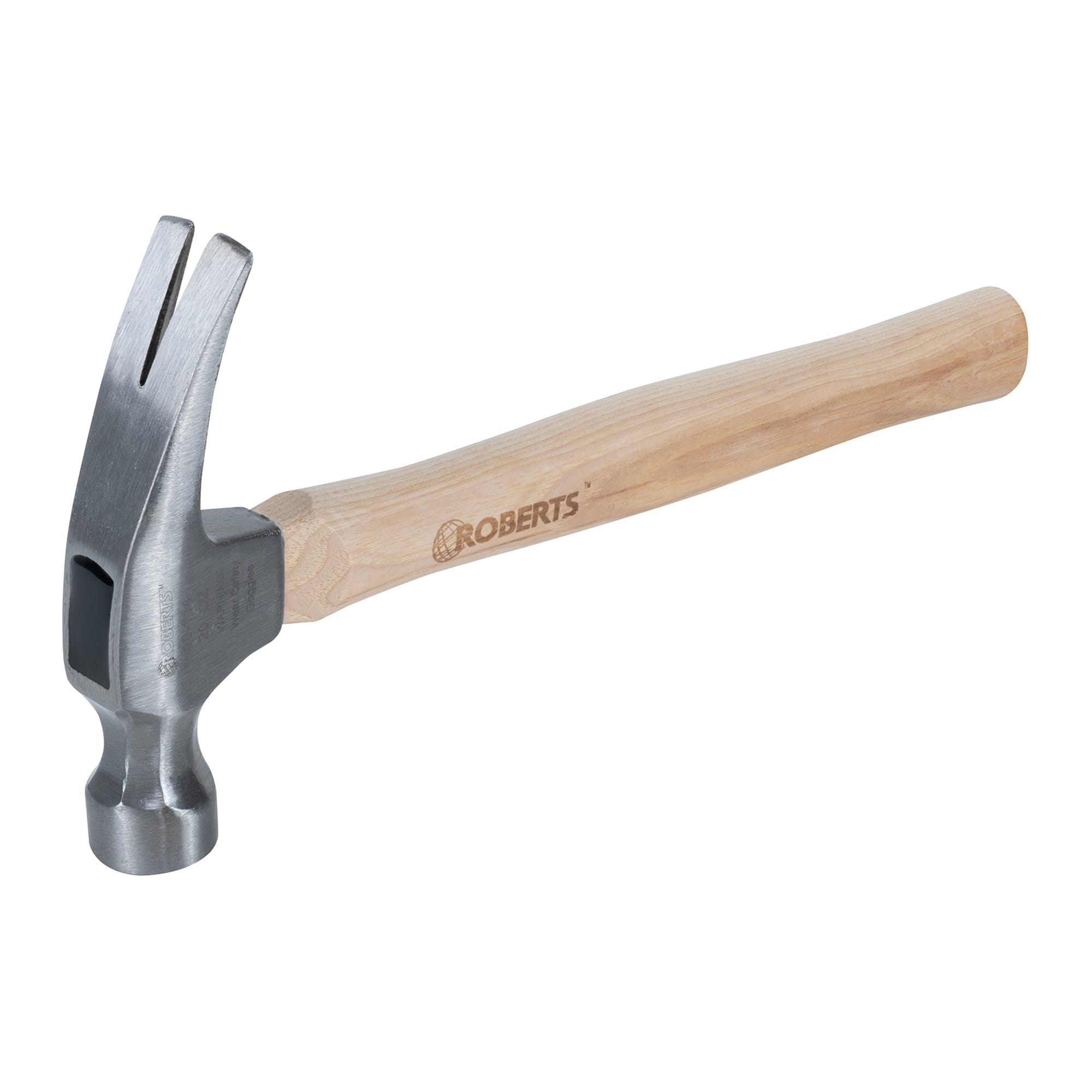
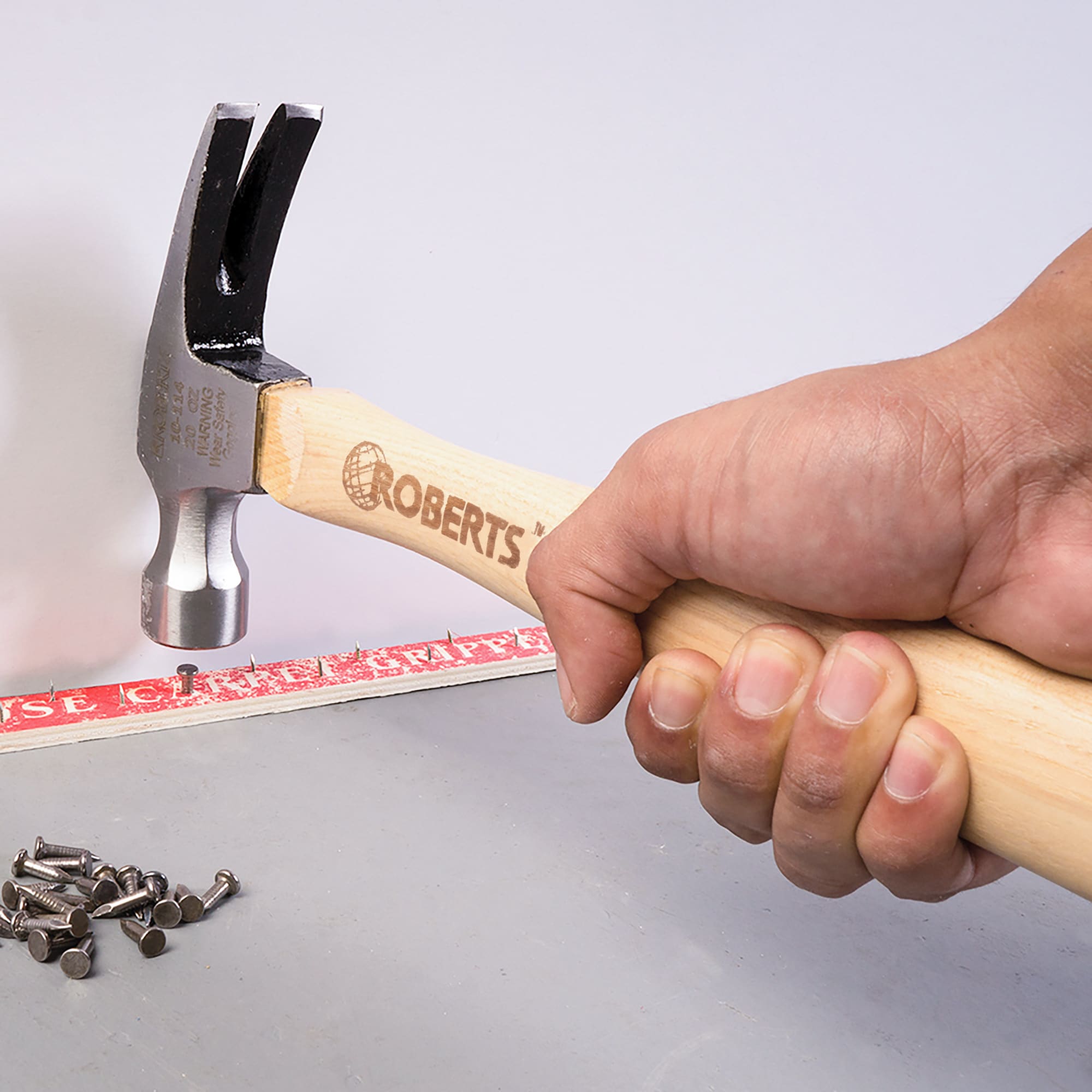



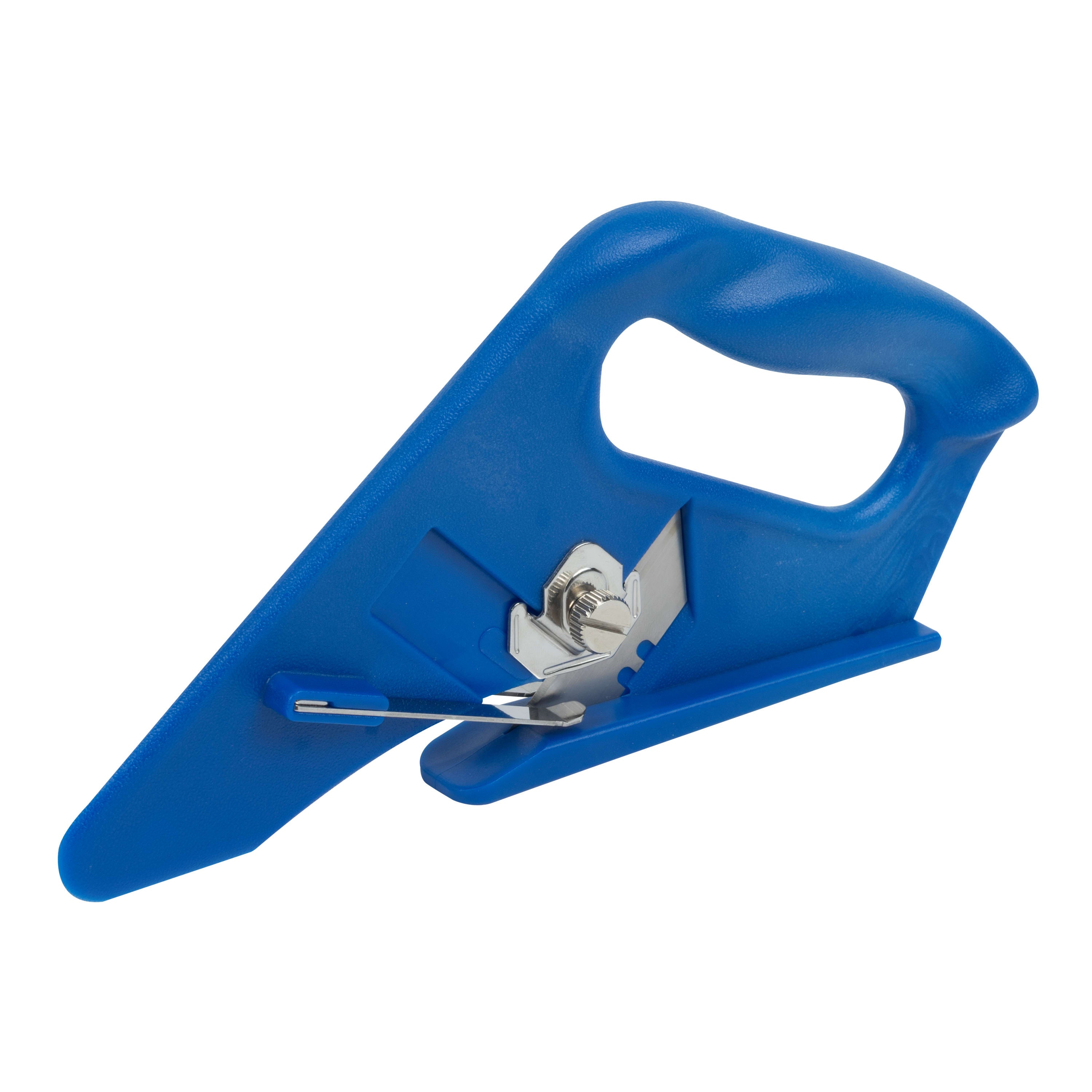

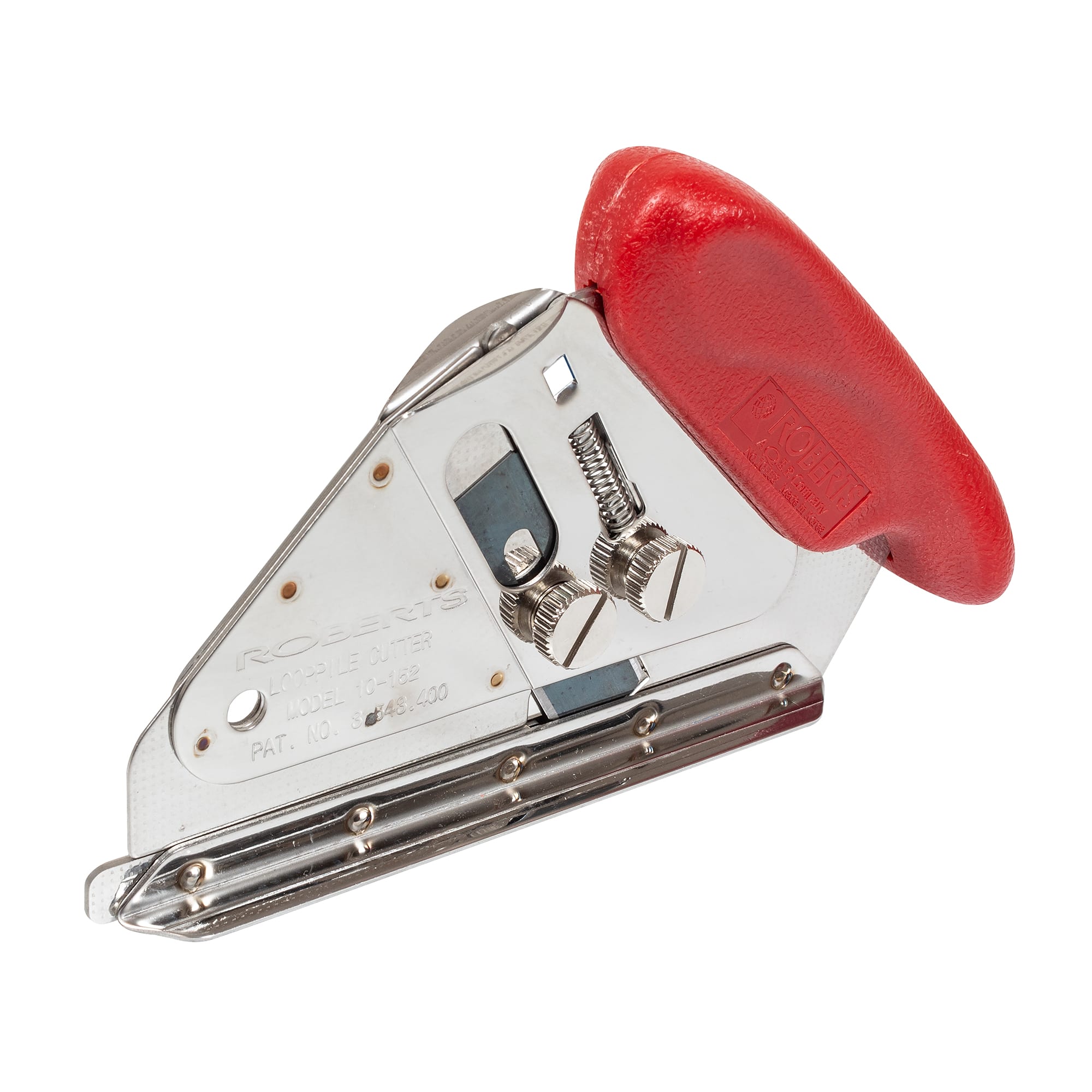
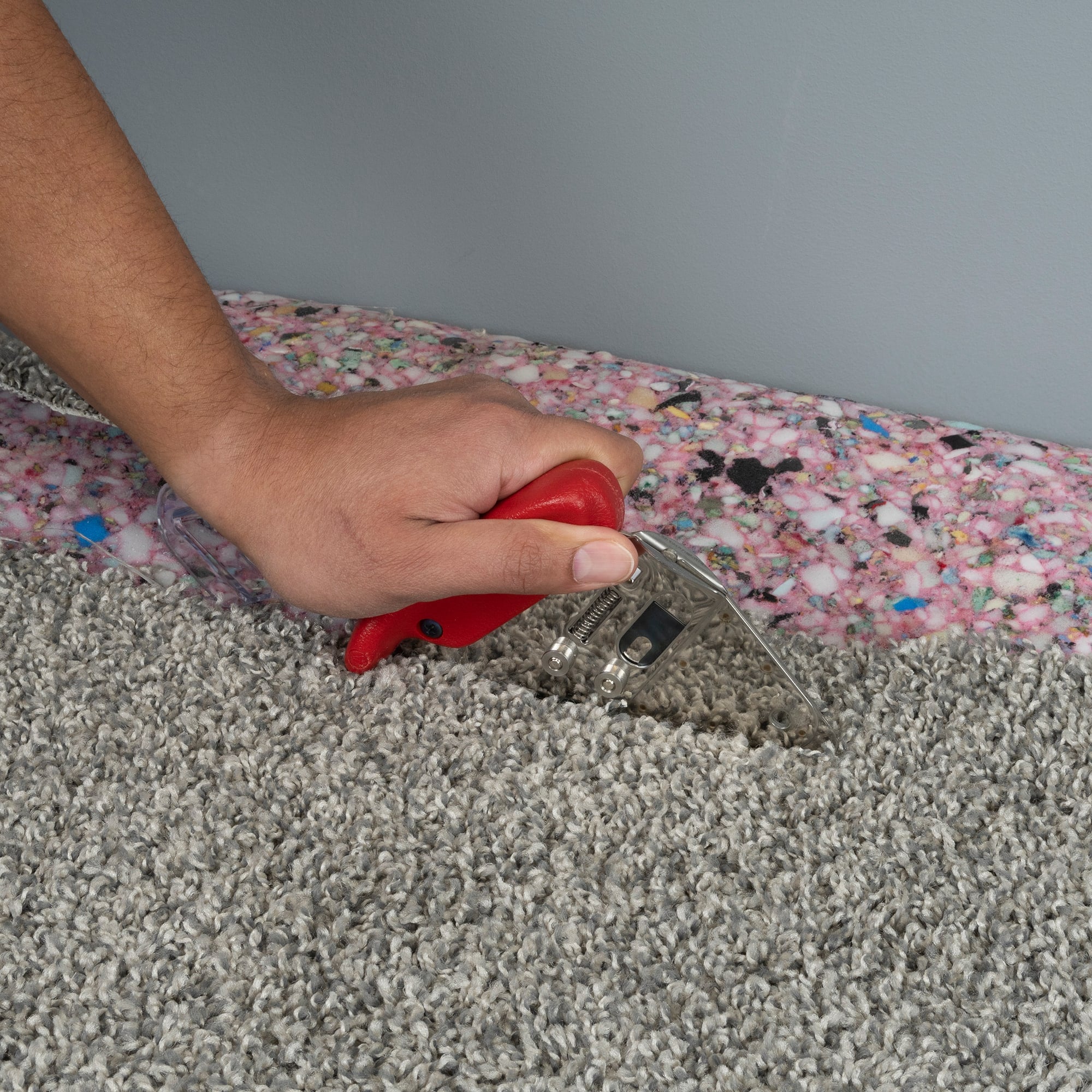
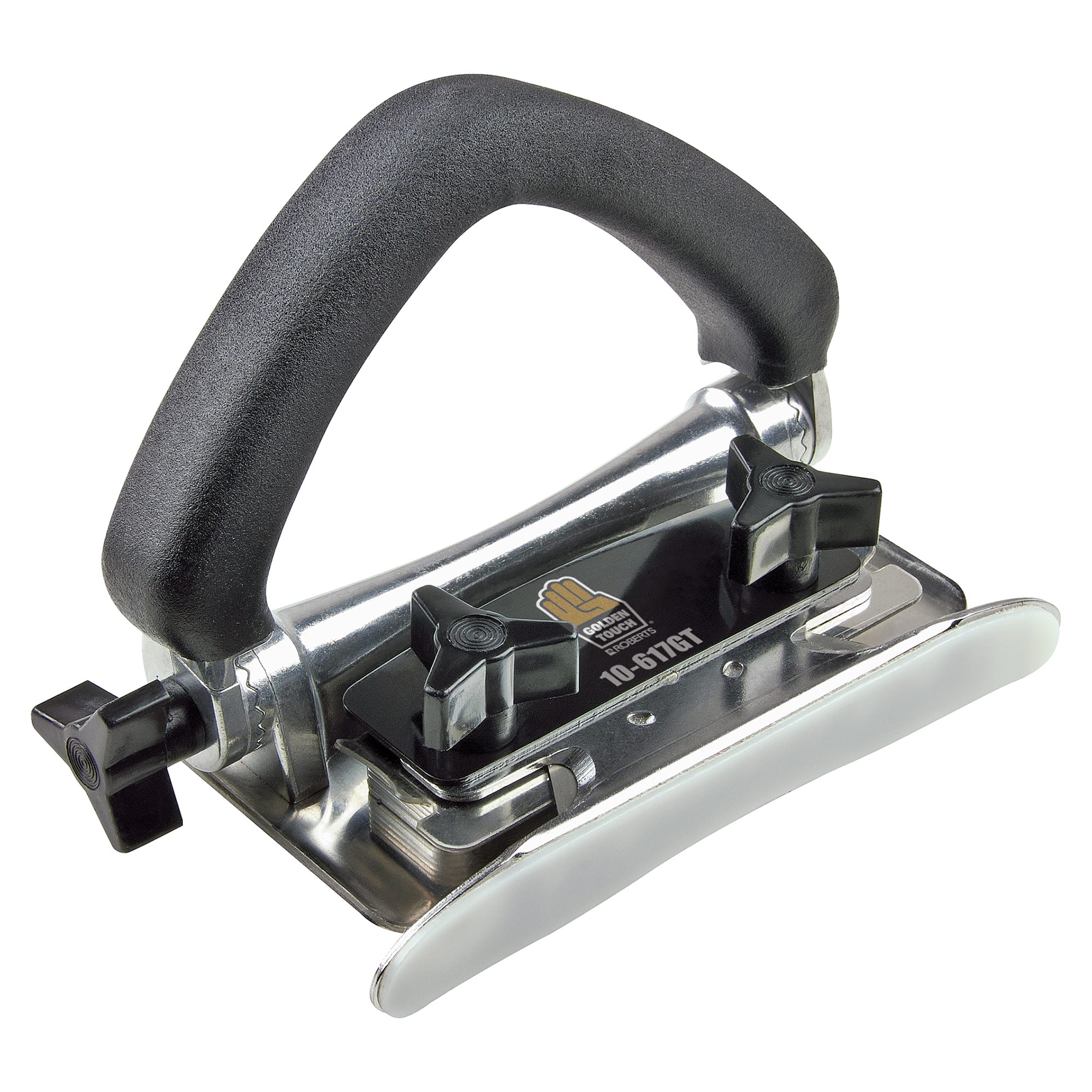



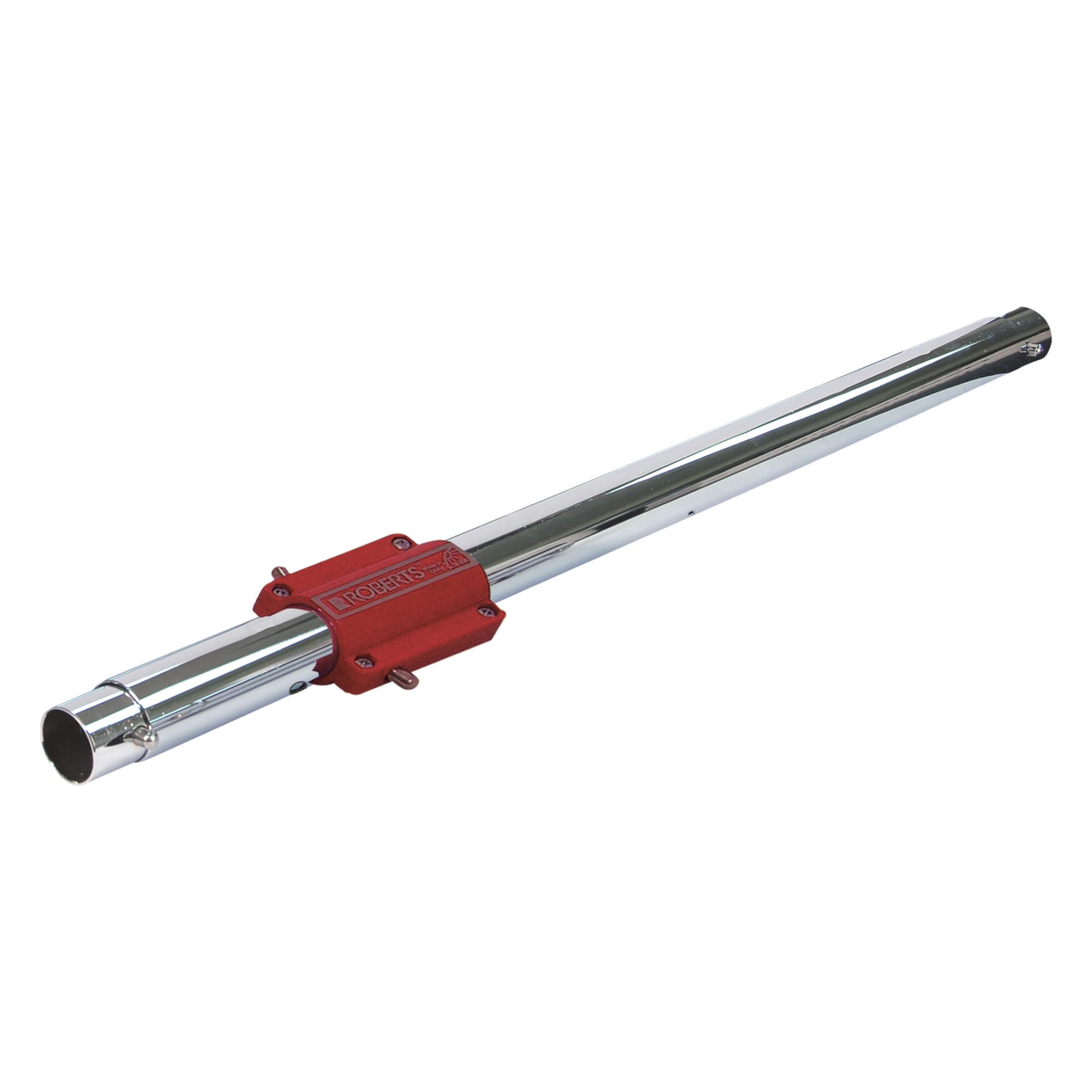
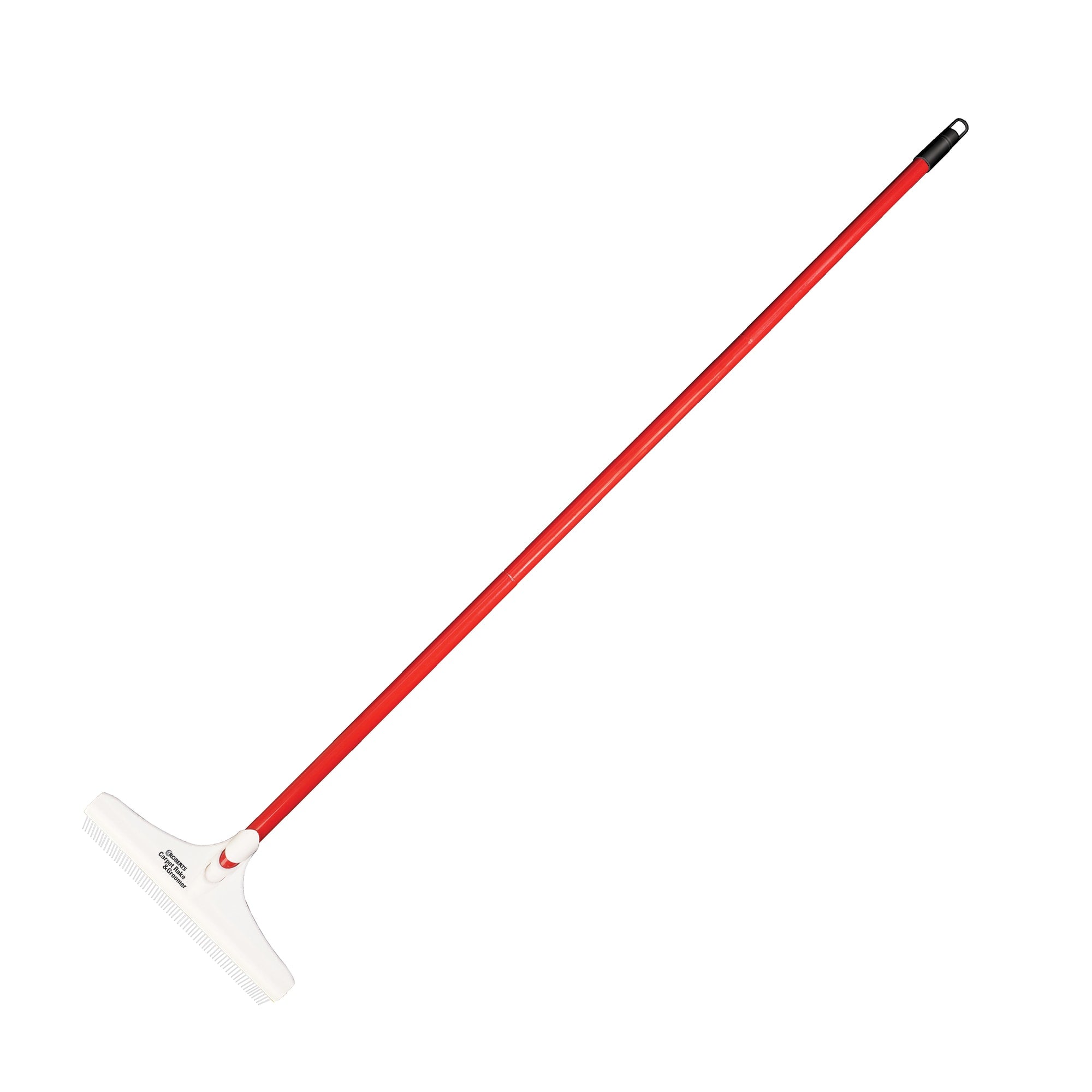

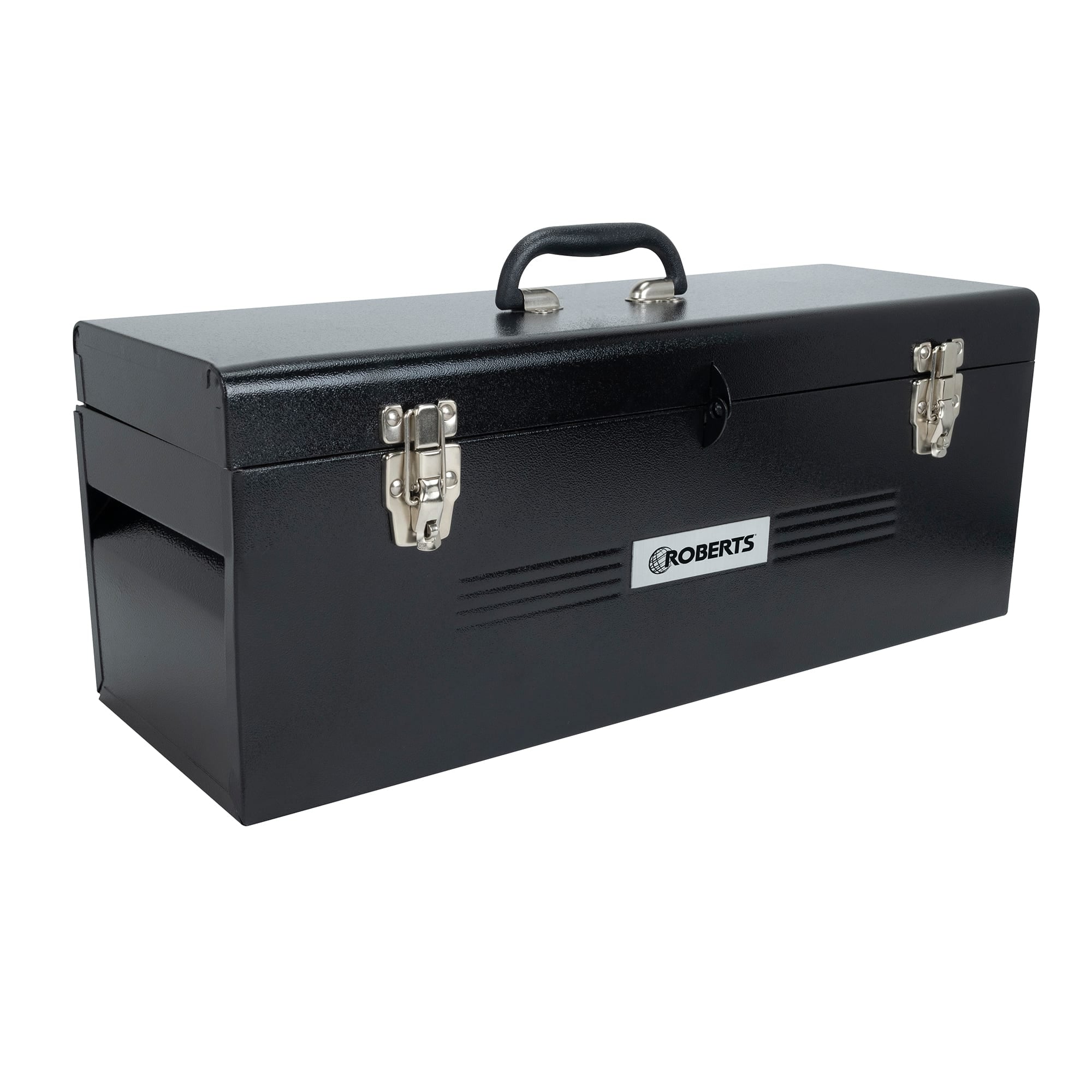

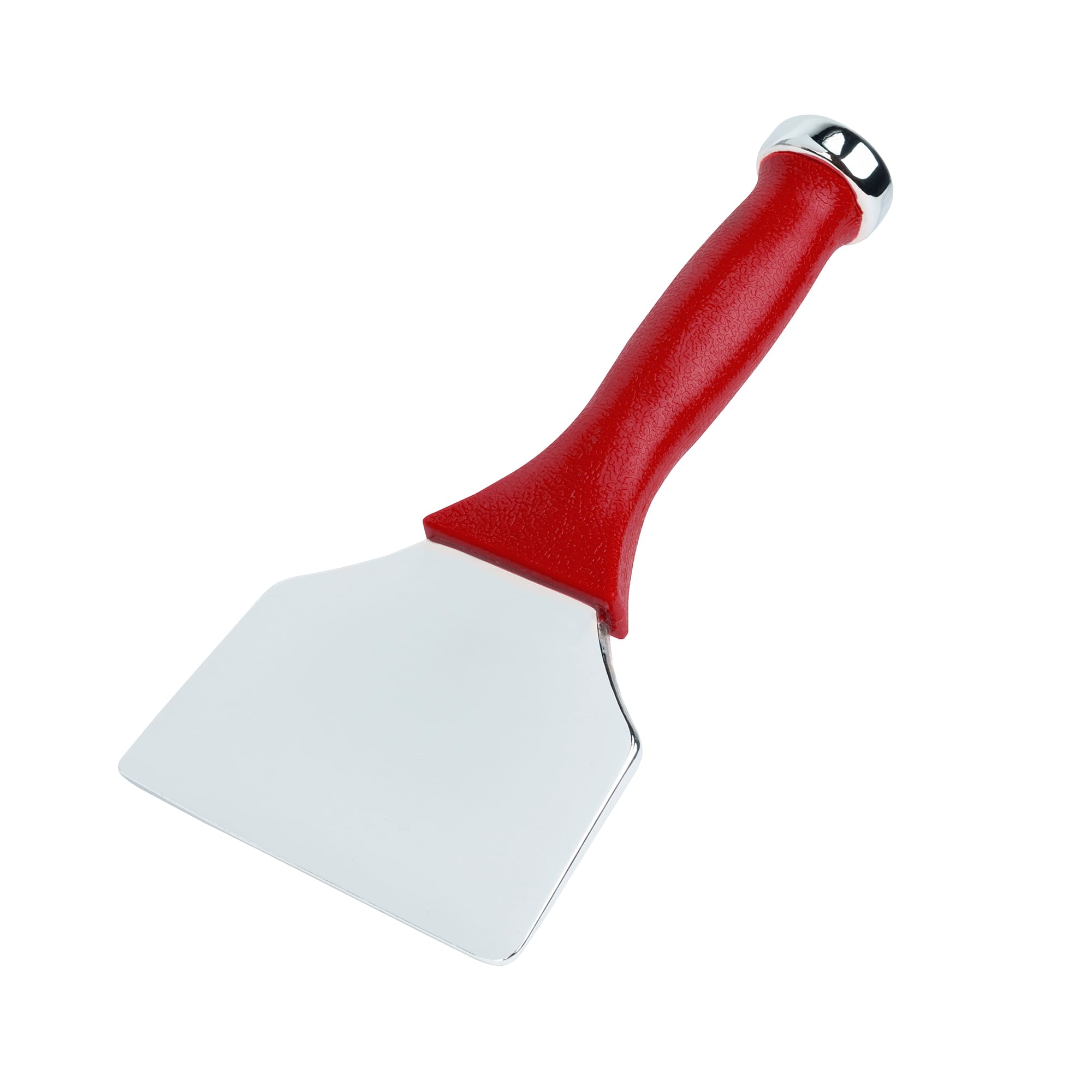





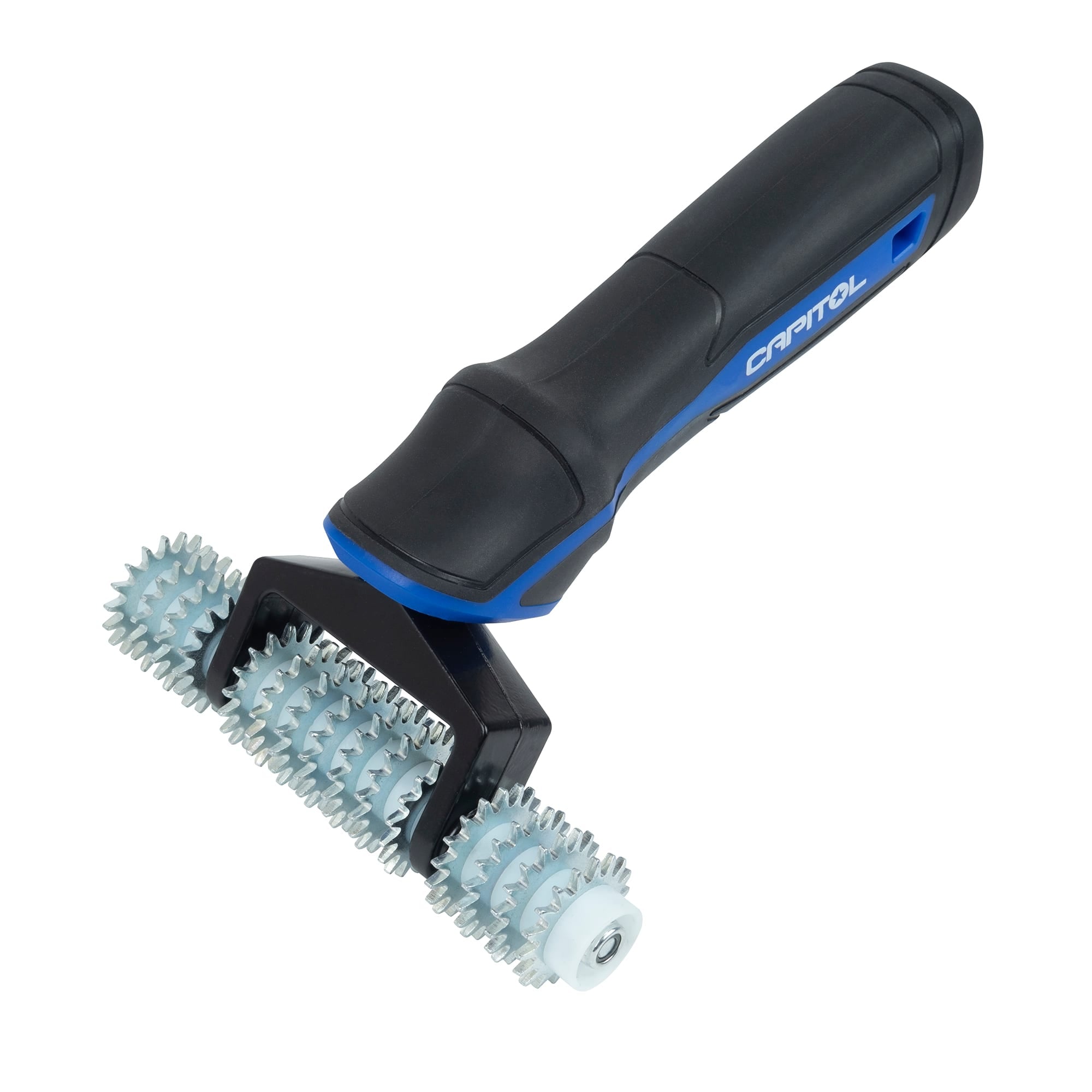

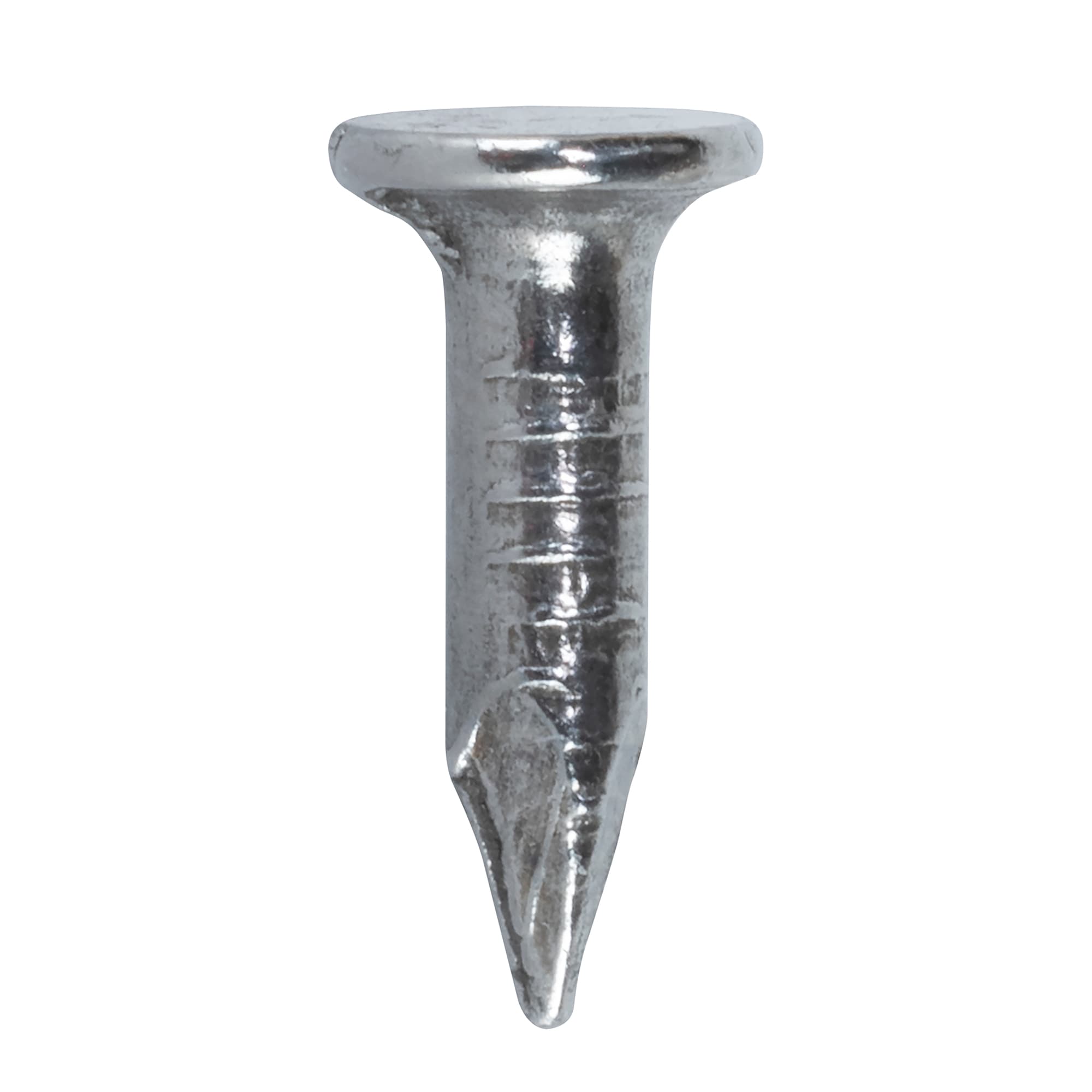
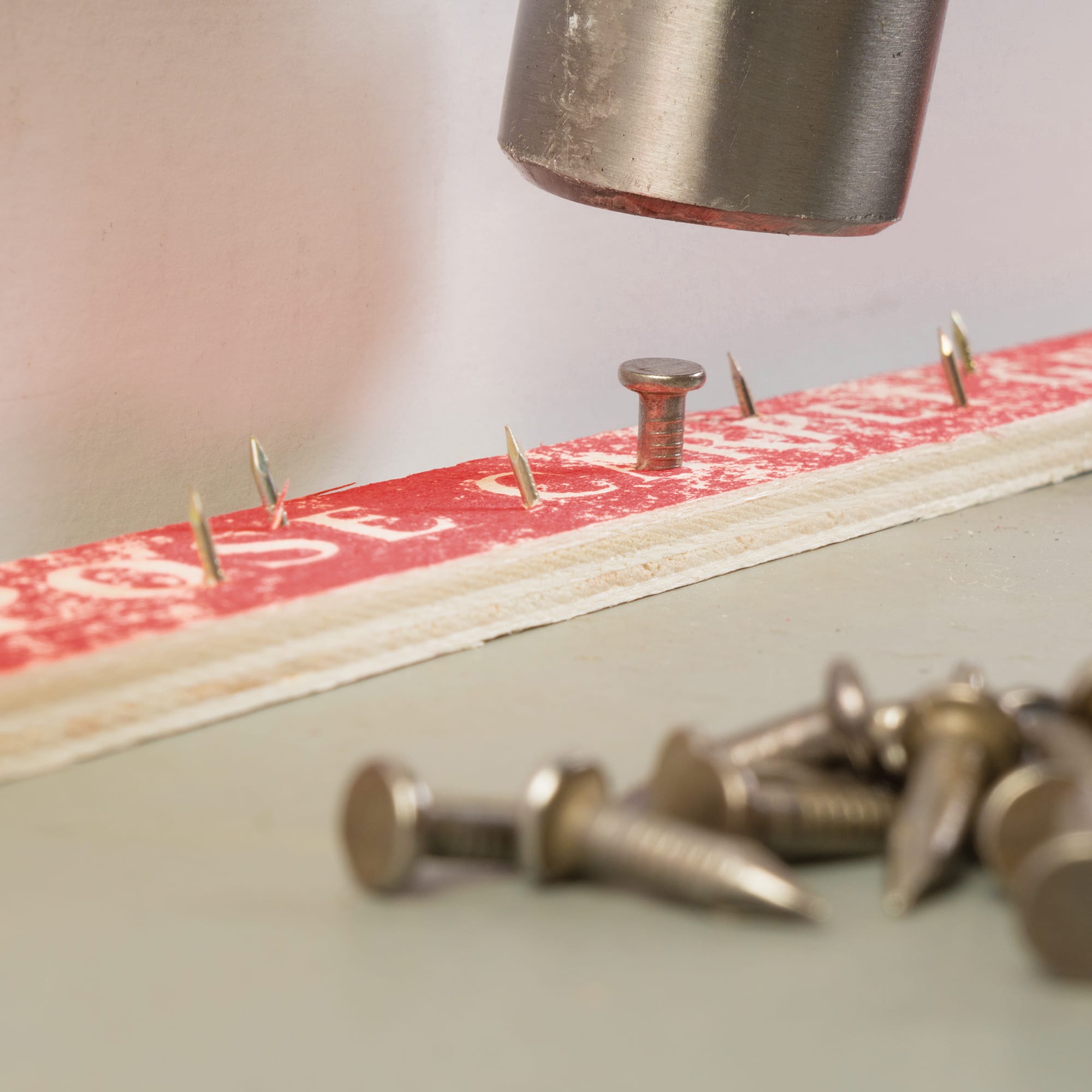


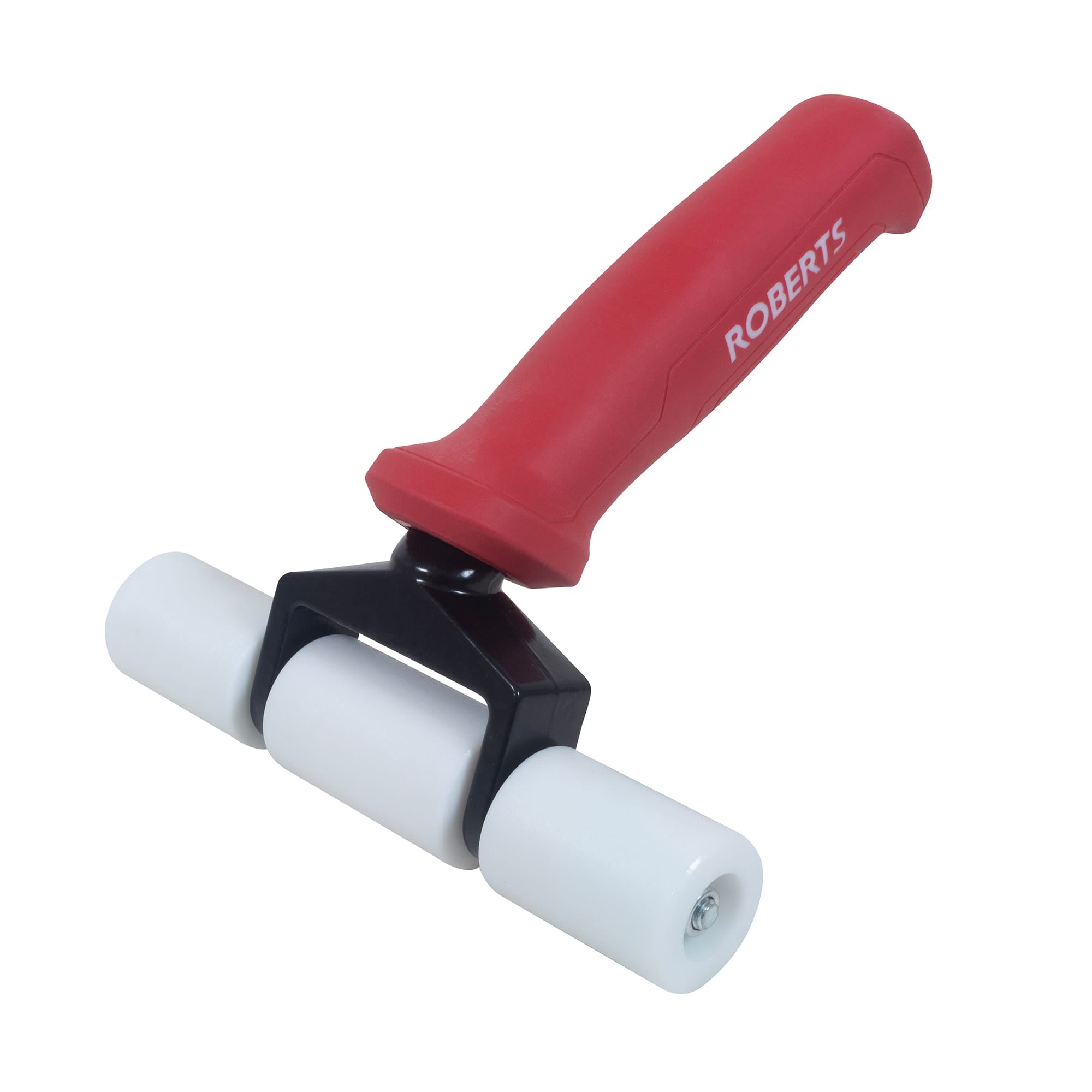
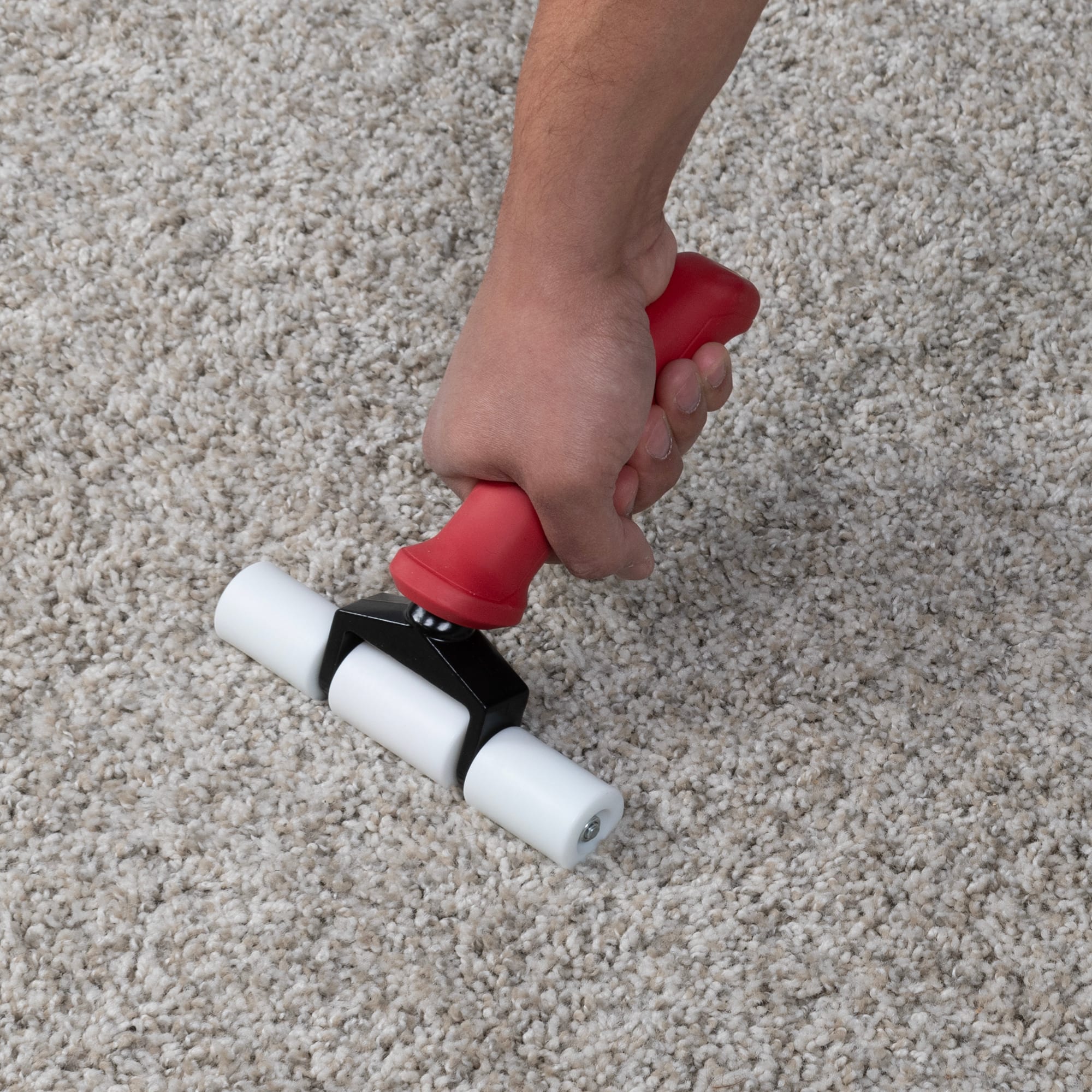
La belleza y la durabilidad de su alfombra dependen de tres factores fundamentales de instalación: una preparación adecuada del contrapiso, la elección del adhesivo correcto y el uso de herramientas diseñadas específicamente para la instalación de alfombras, incluidas las herramientas para cortar, colocar, tensar y fijar la alfombra.
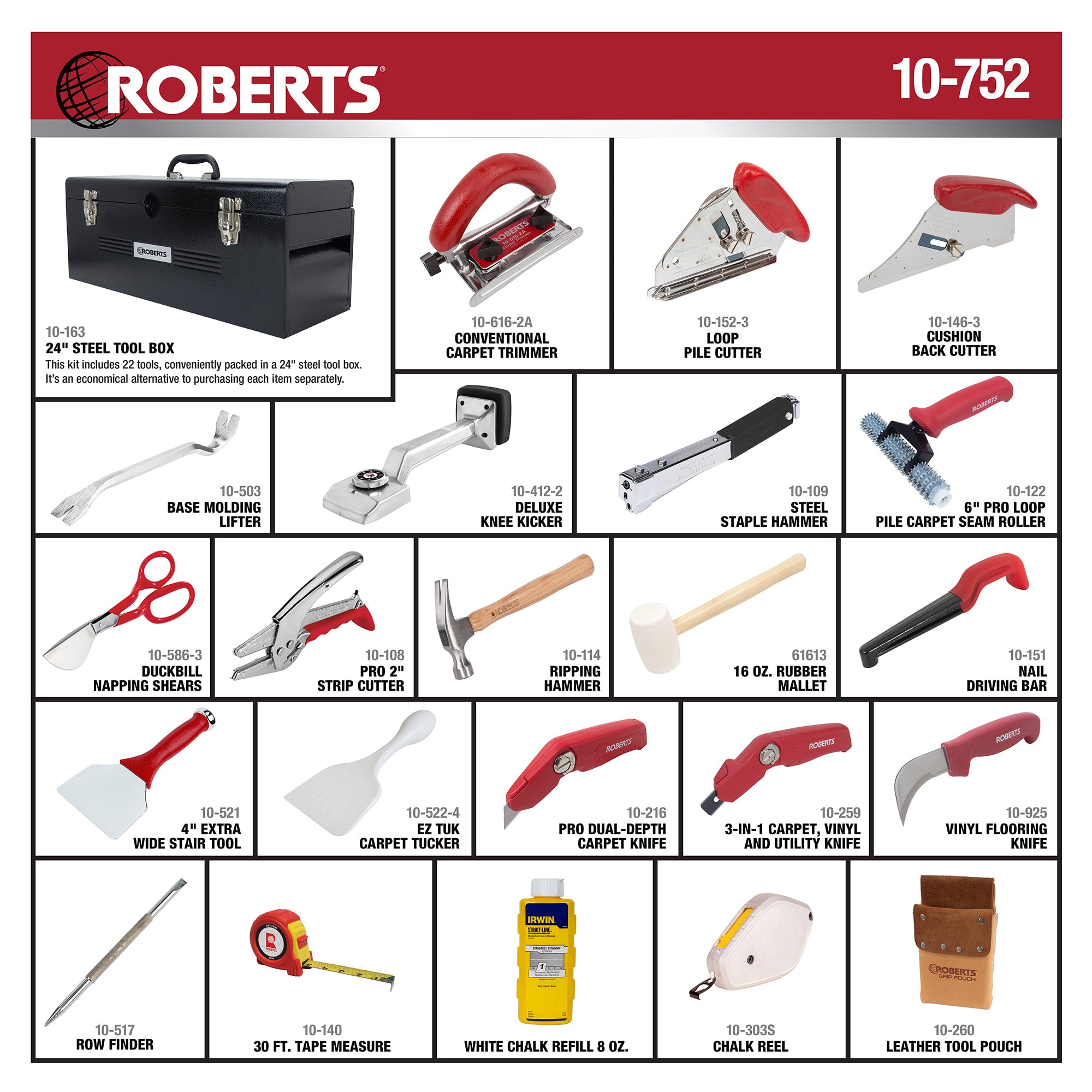
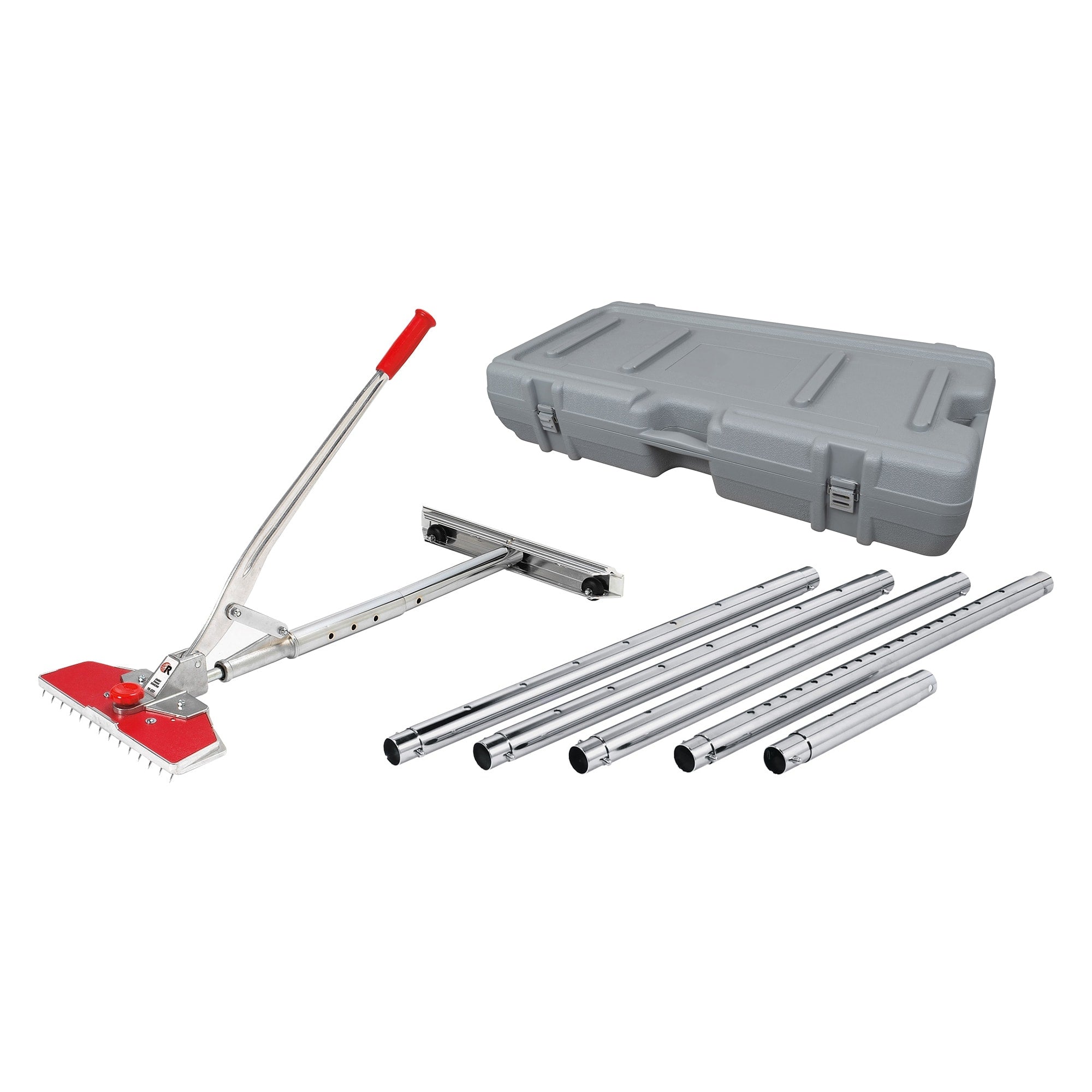
La mejor opción es un kit de colocación de alfombras que proporciona todas las herramientas necesarias en un solo lugar y listas para usar. Sin embargo, si ya tiene algunas herramientas para colocar alfombras en su caja de herramientas:
Le ofrecemos a continuación una lista con las herramientas imprescindibles para colocar correctamente una alfombra:
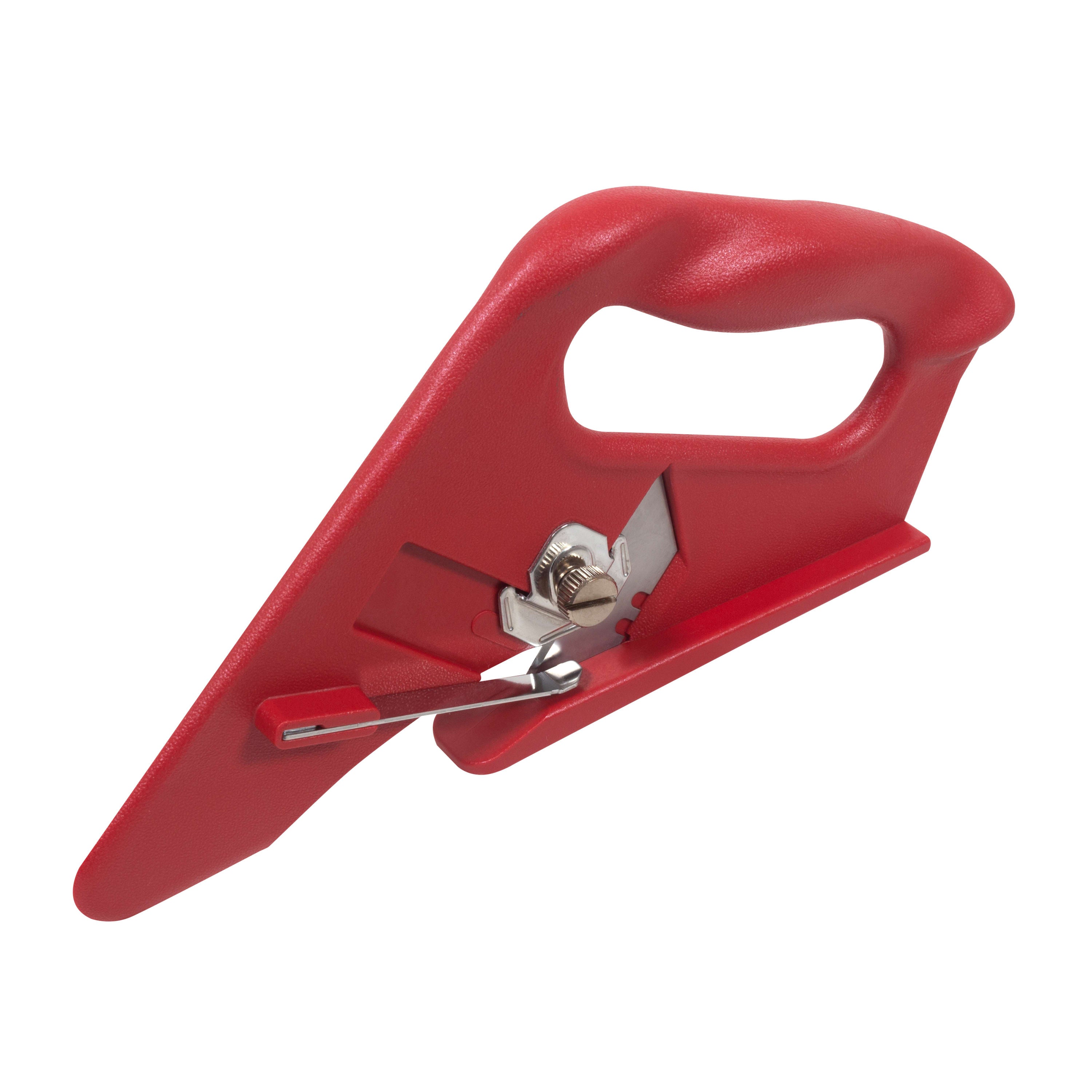
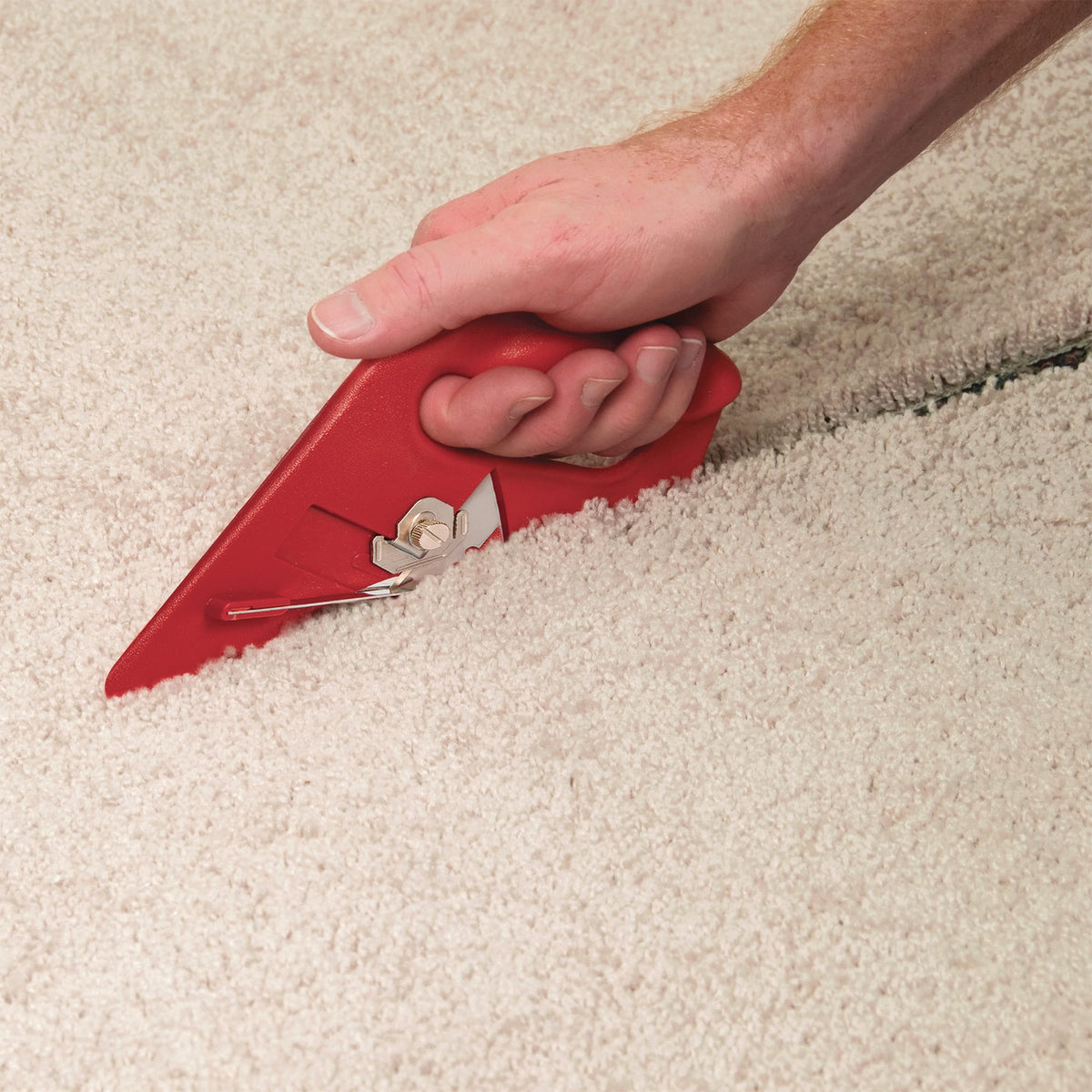
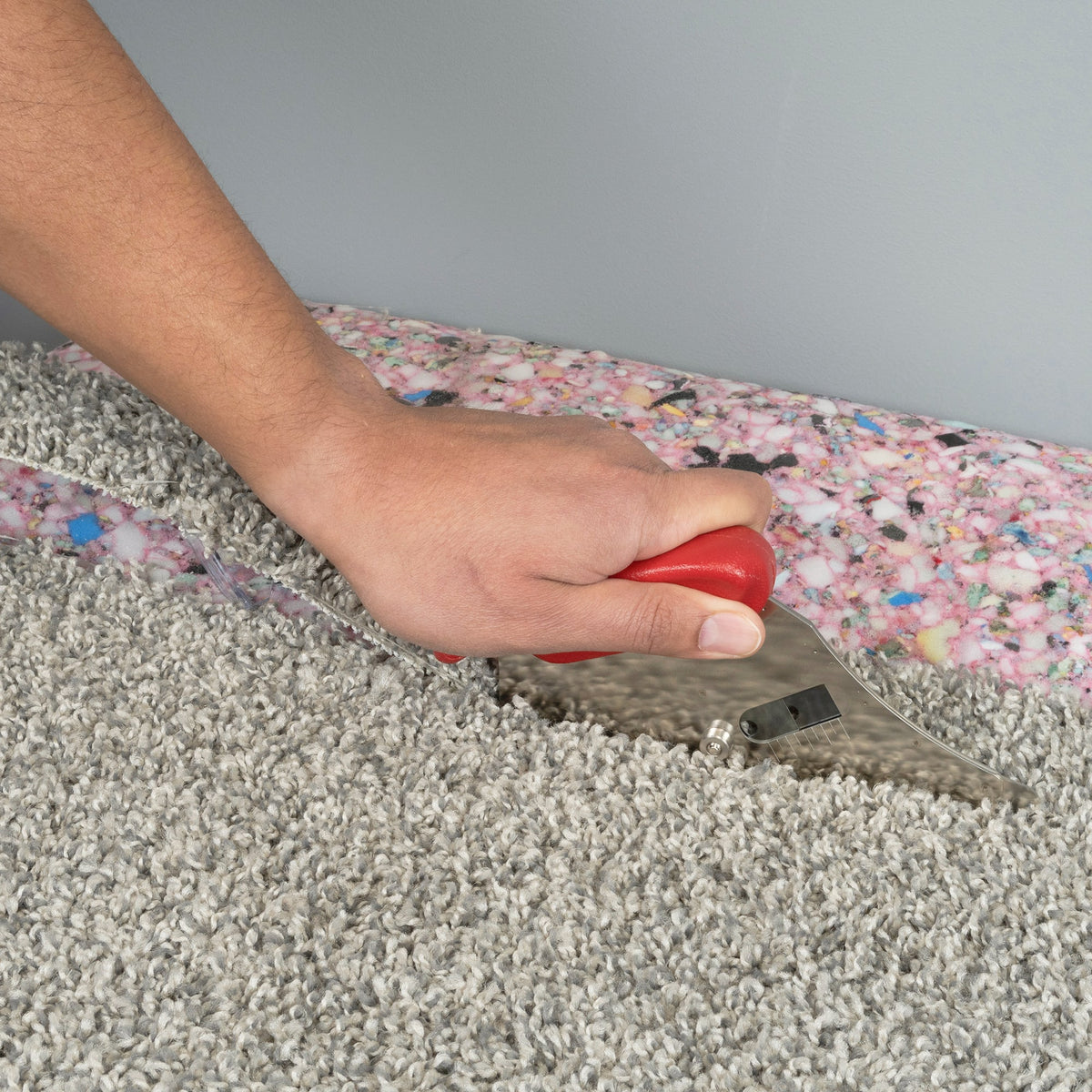
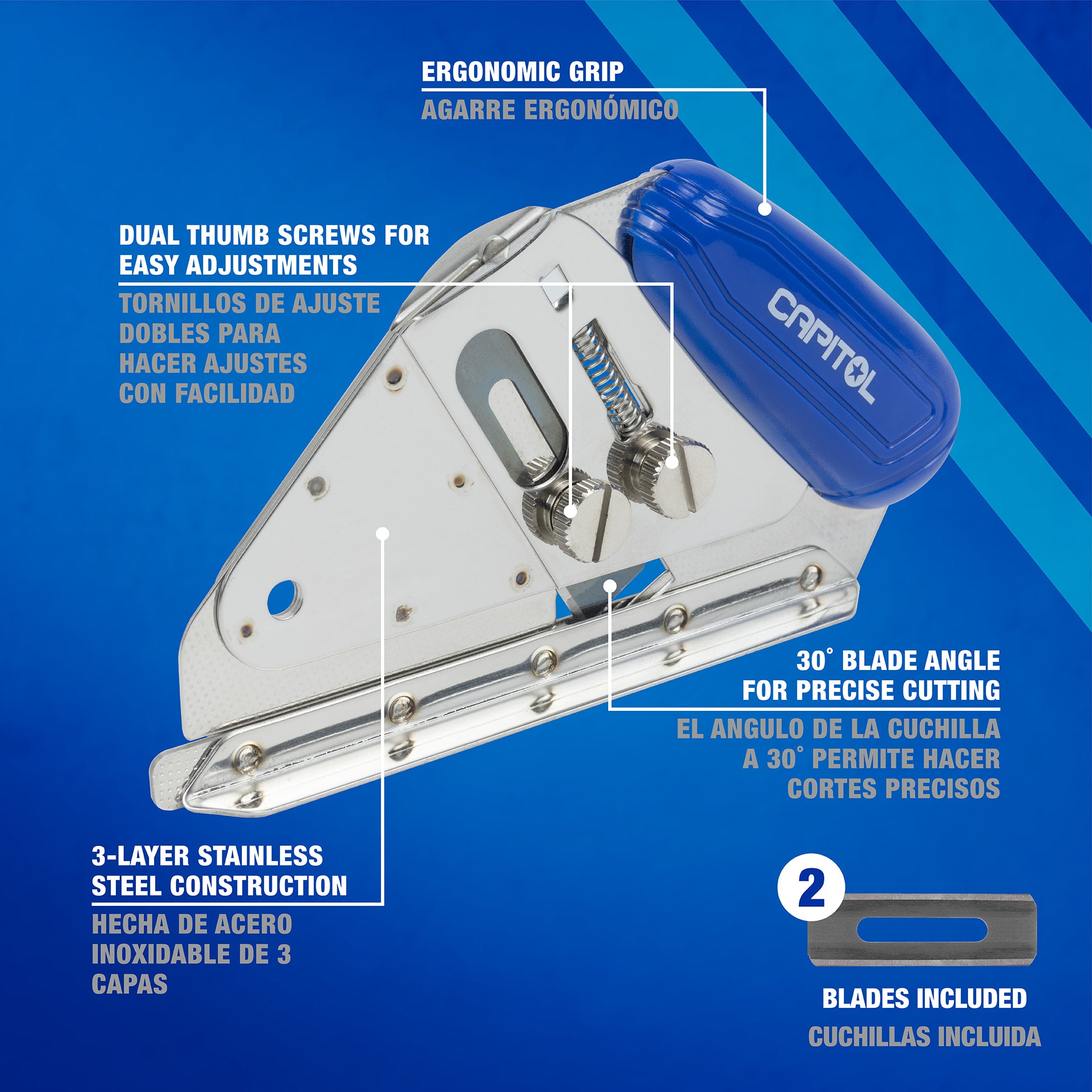
Trincheta para alfombras de calidad para evitar que los bordes se deshilachen, garantizar uniones perfectas y proteger las superficies debajo, como la madera maciza o los zócalos. Brinda la profundidad y la precisión que necesita, además del control para realizar cortes precisos.
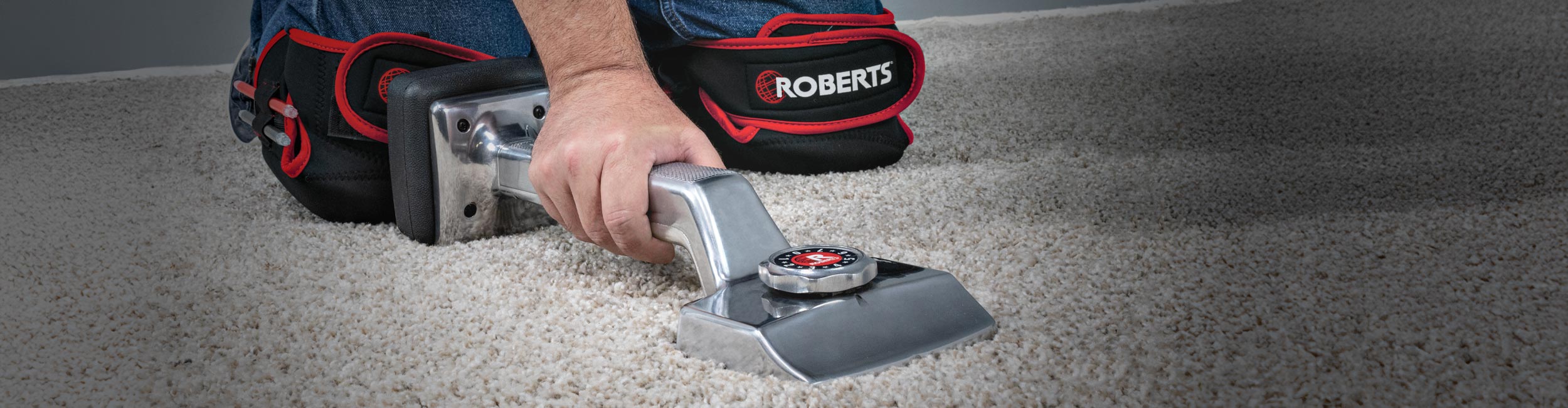
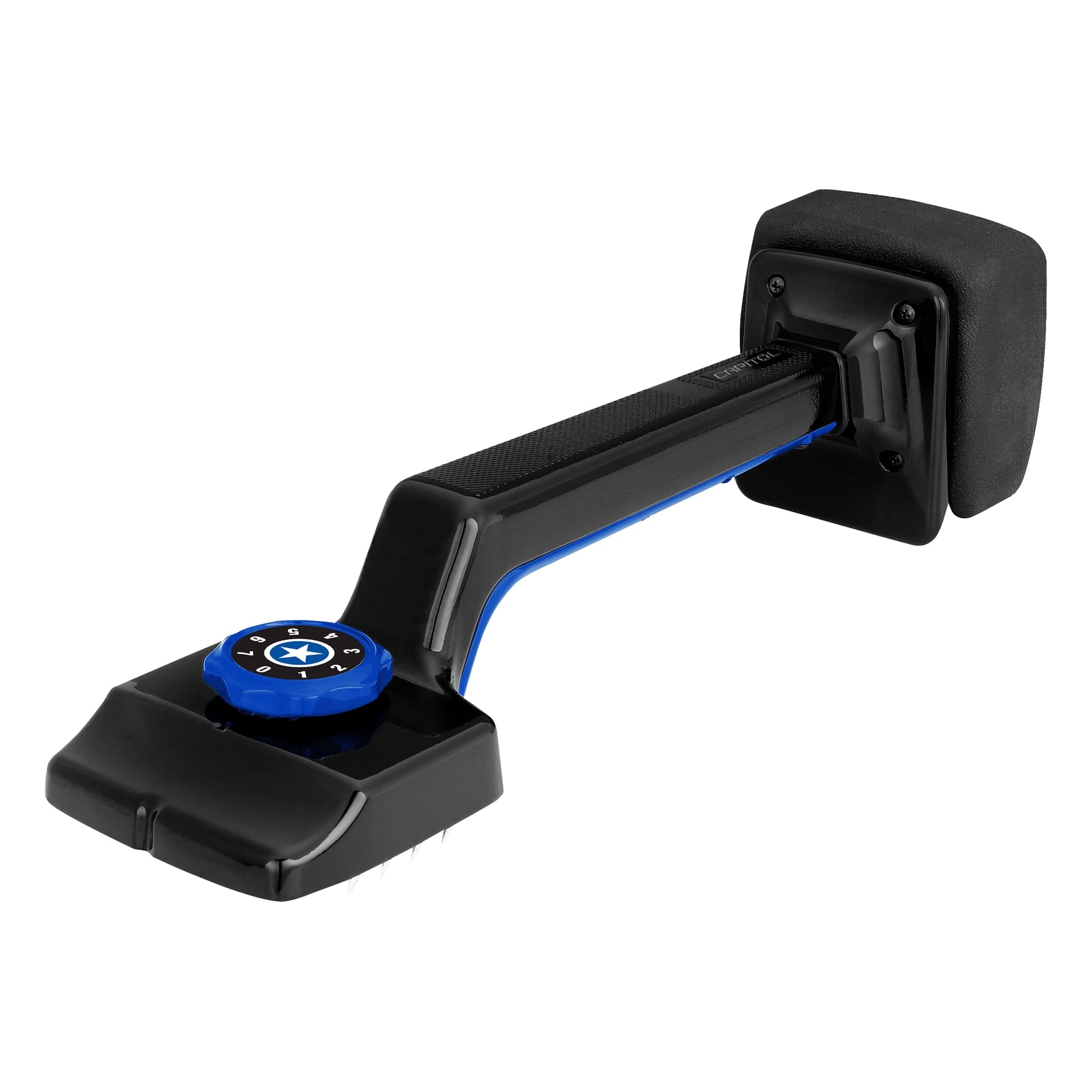
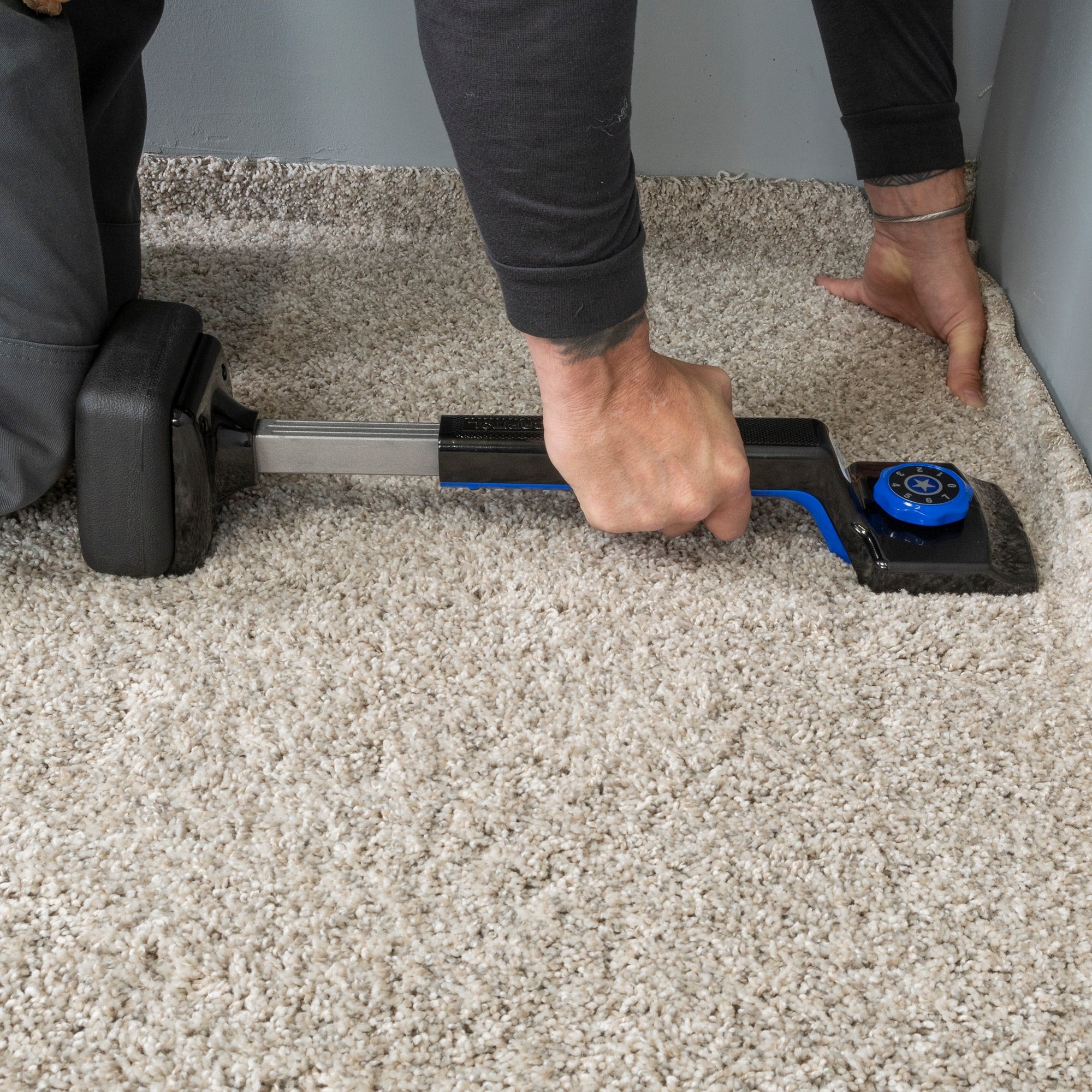
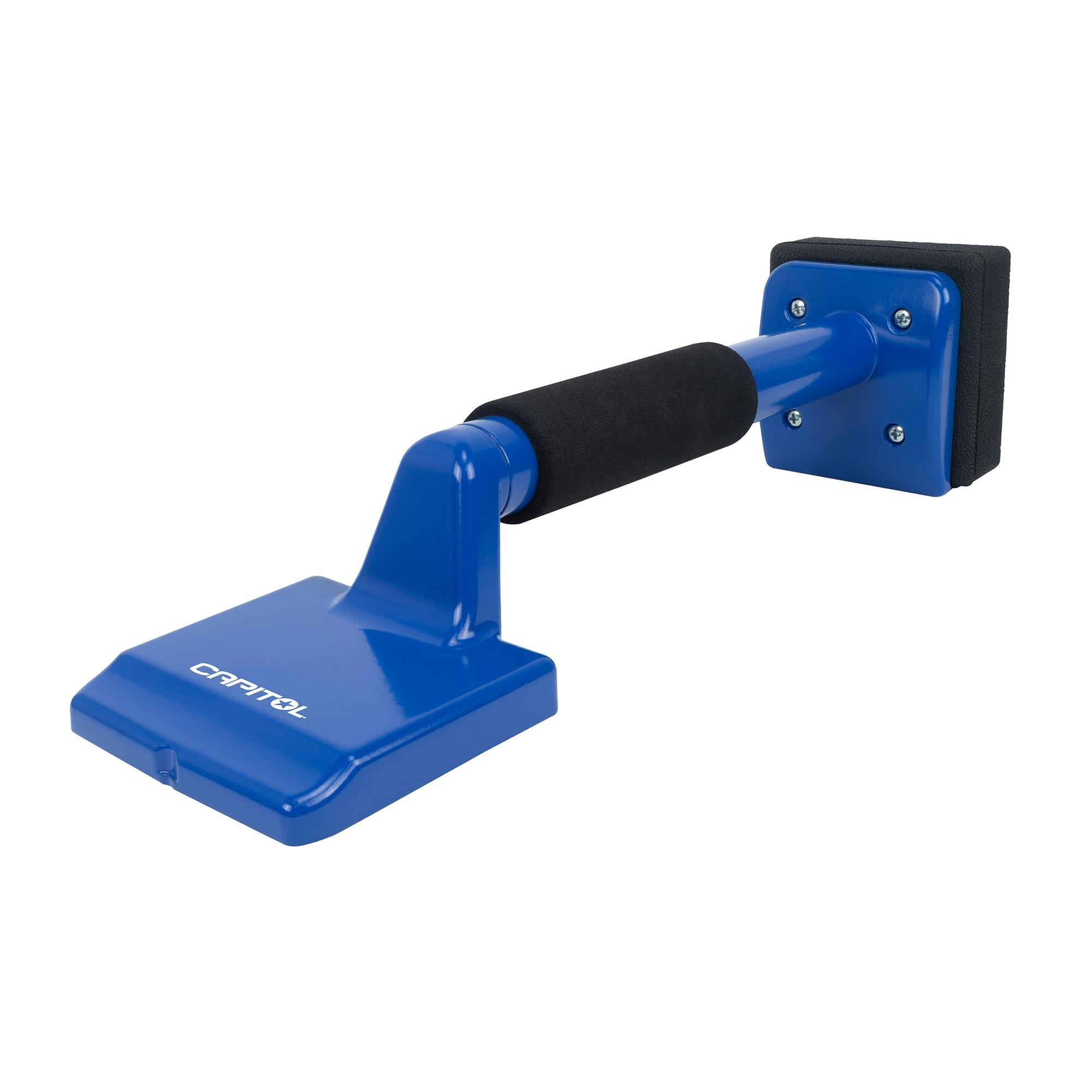
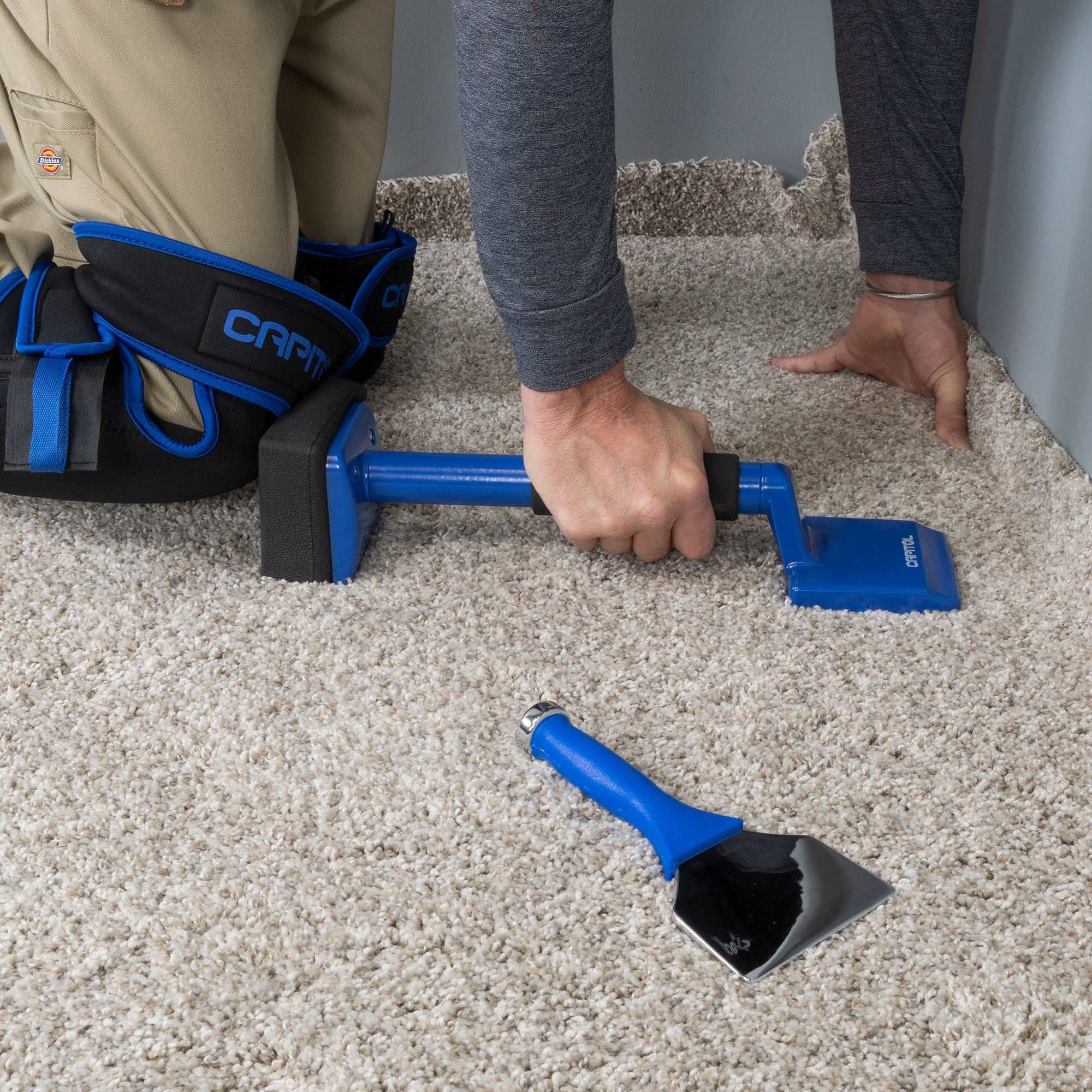
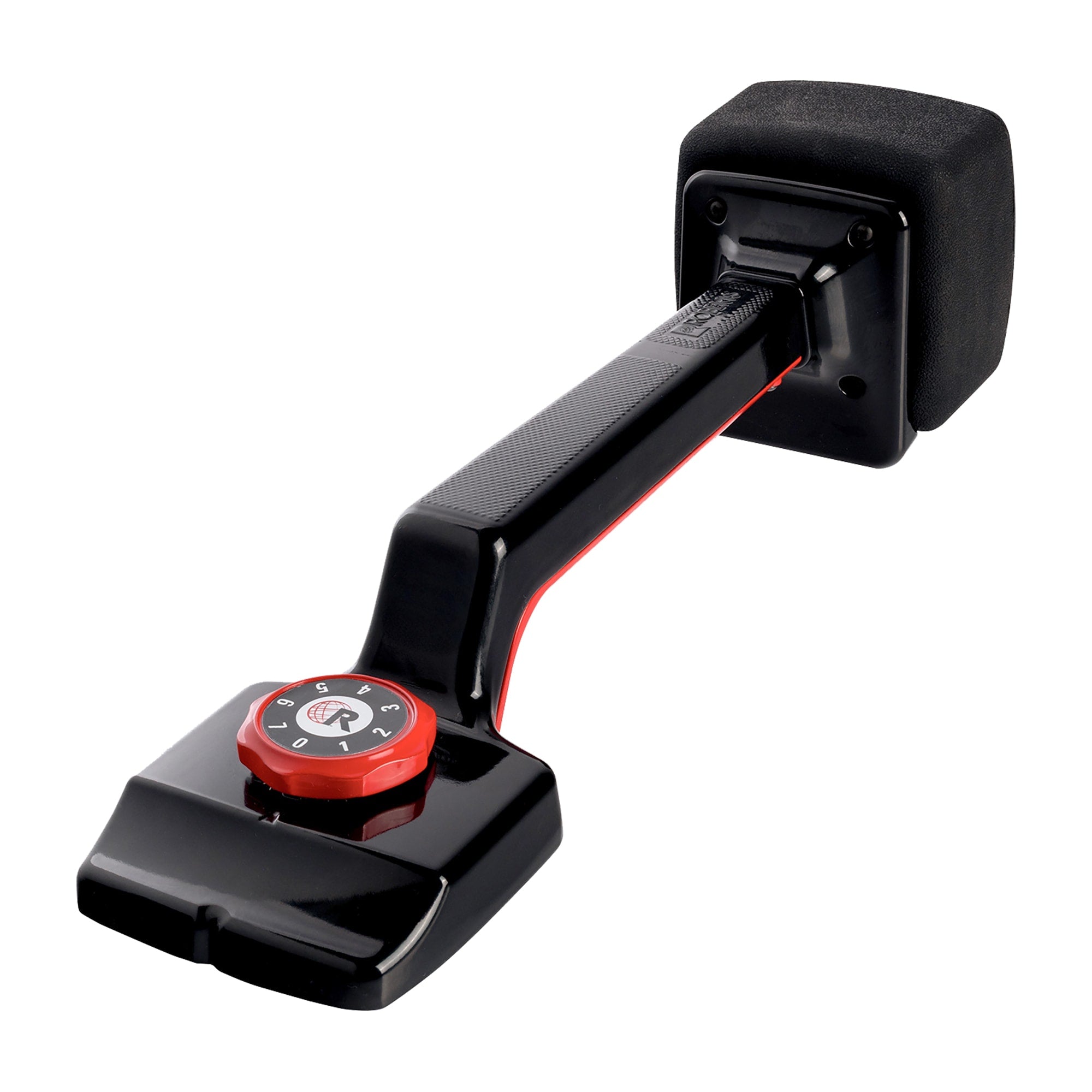
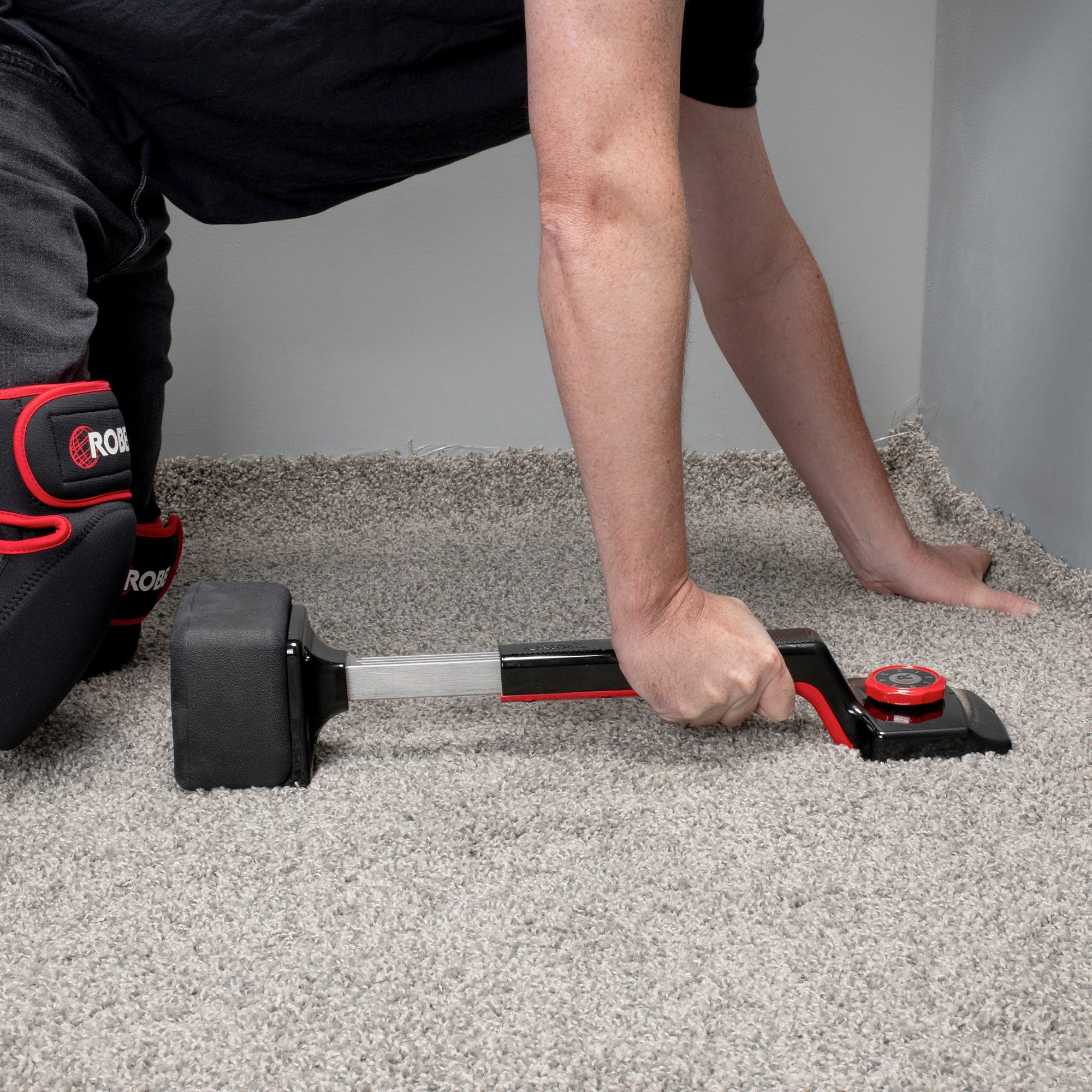
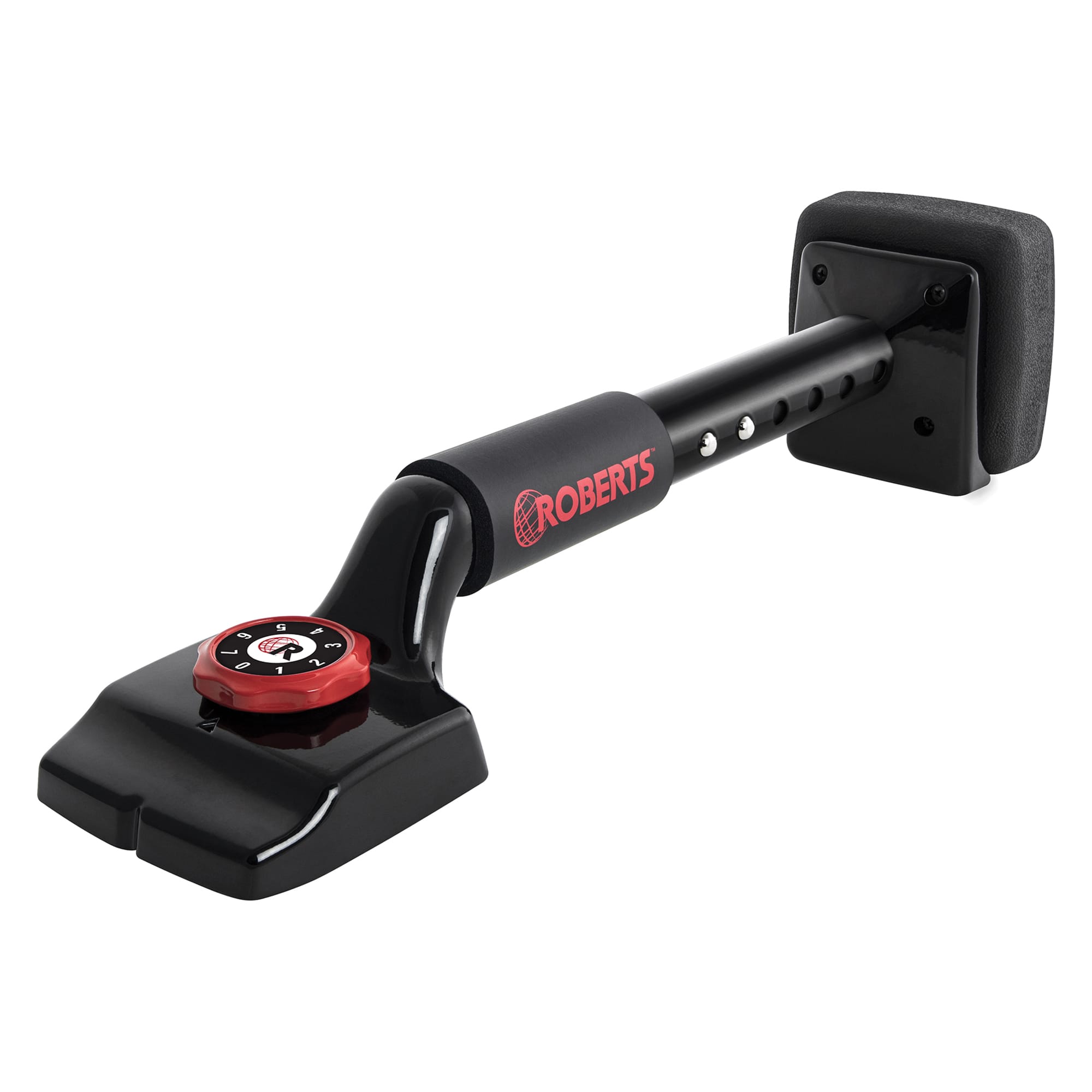
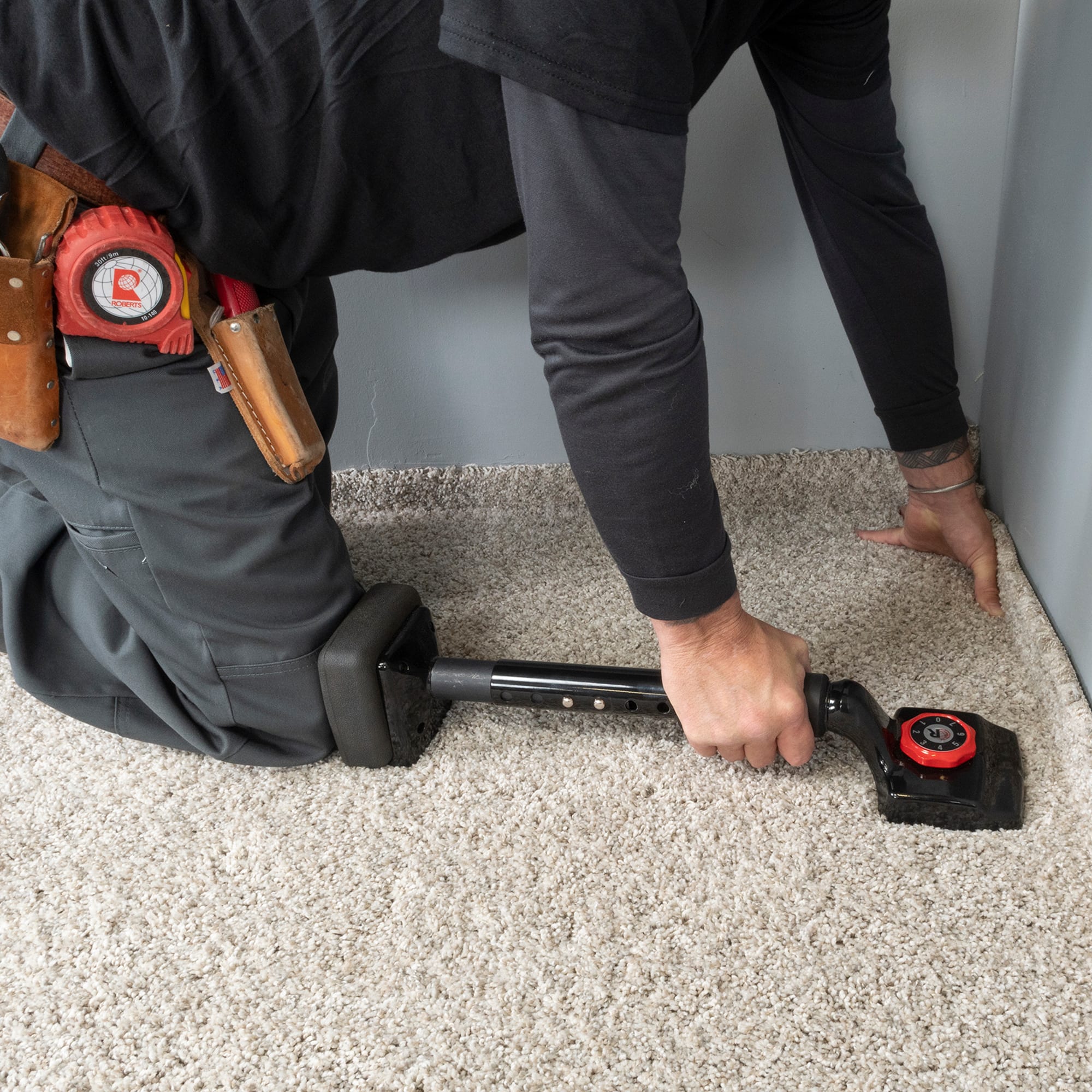
Estirador de rodilla para estirar y colocar la alfombra en las esquinas, los umbrales de las puertas y a lo largo del perímetro.
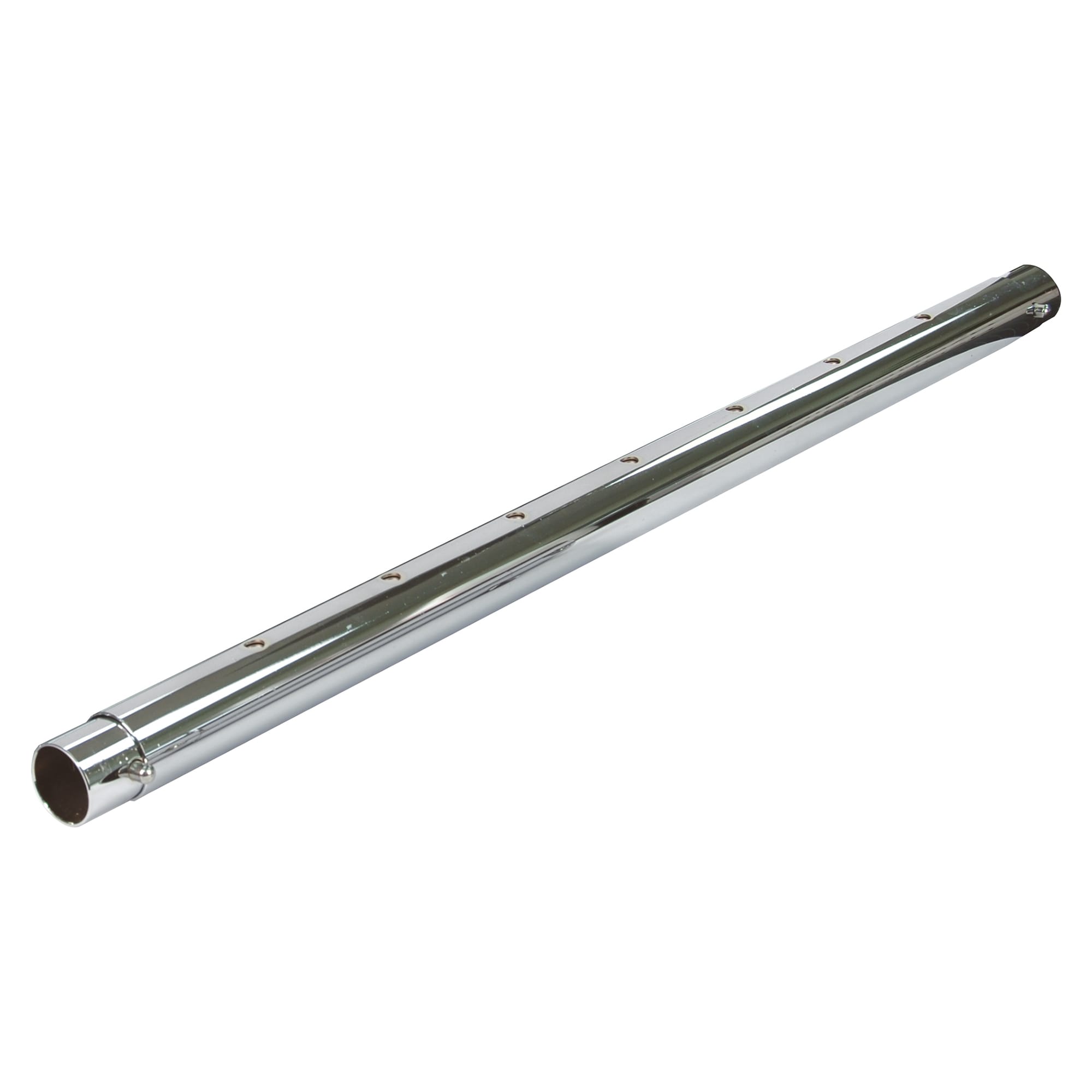
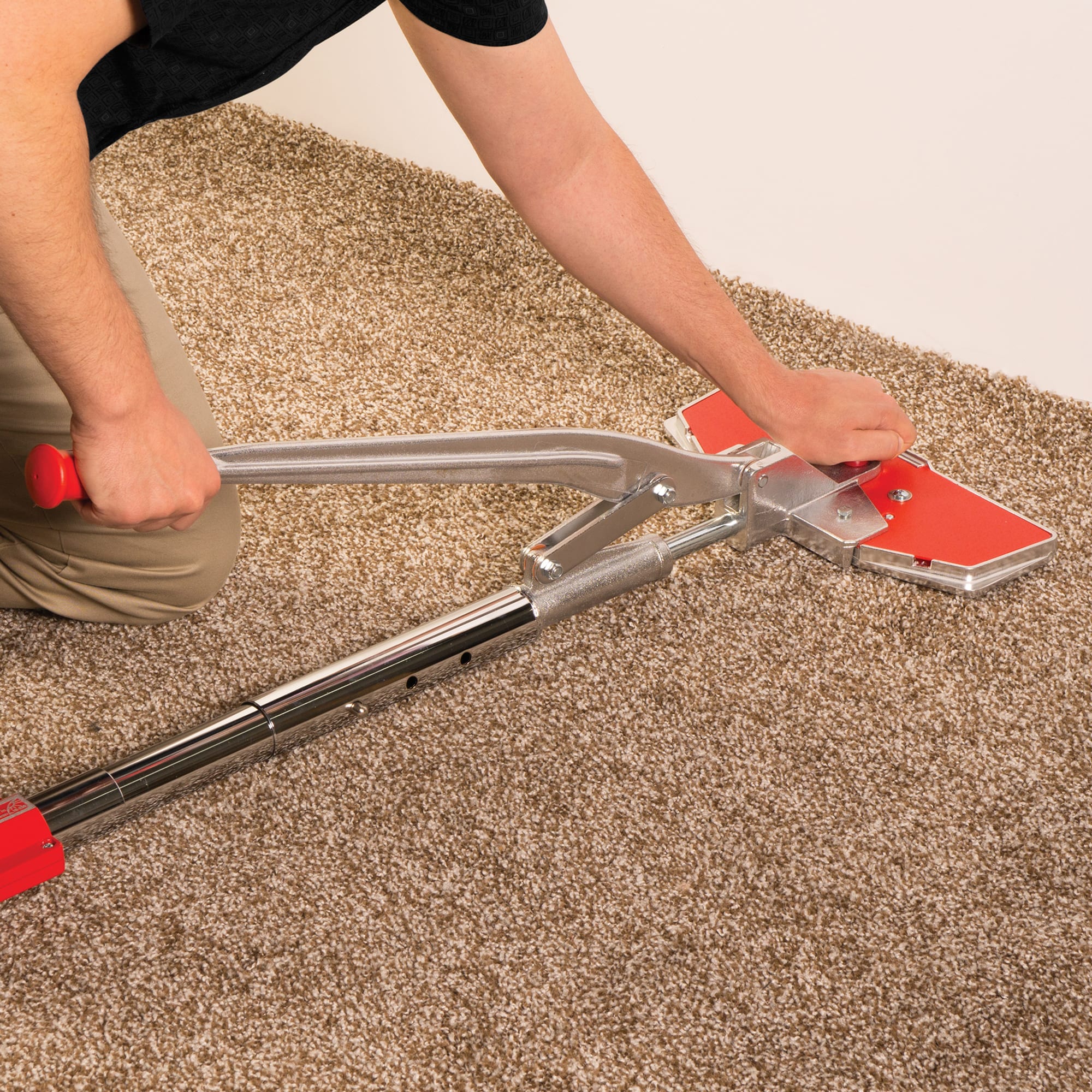
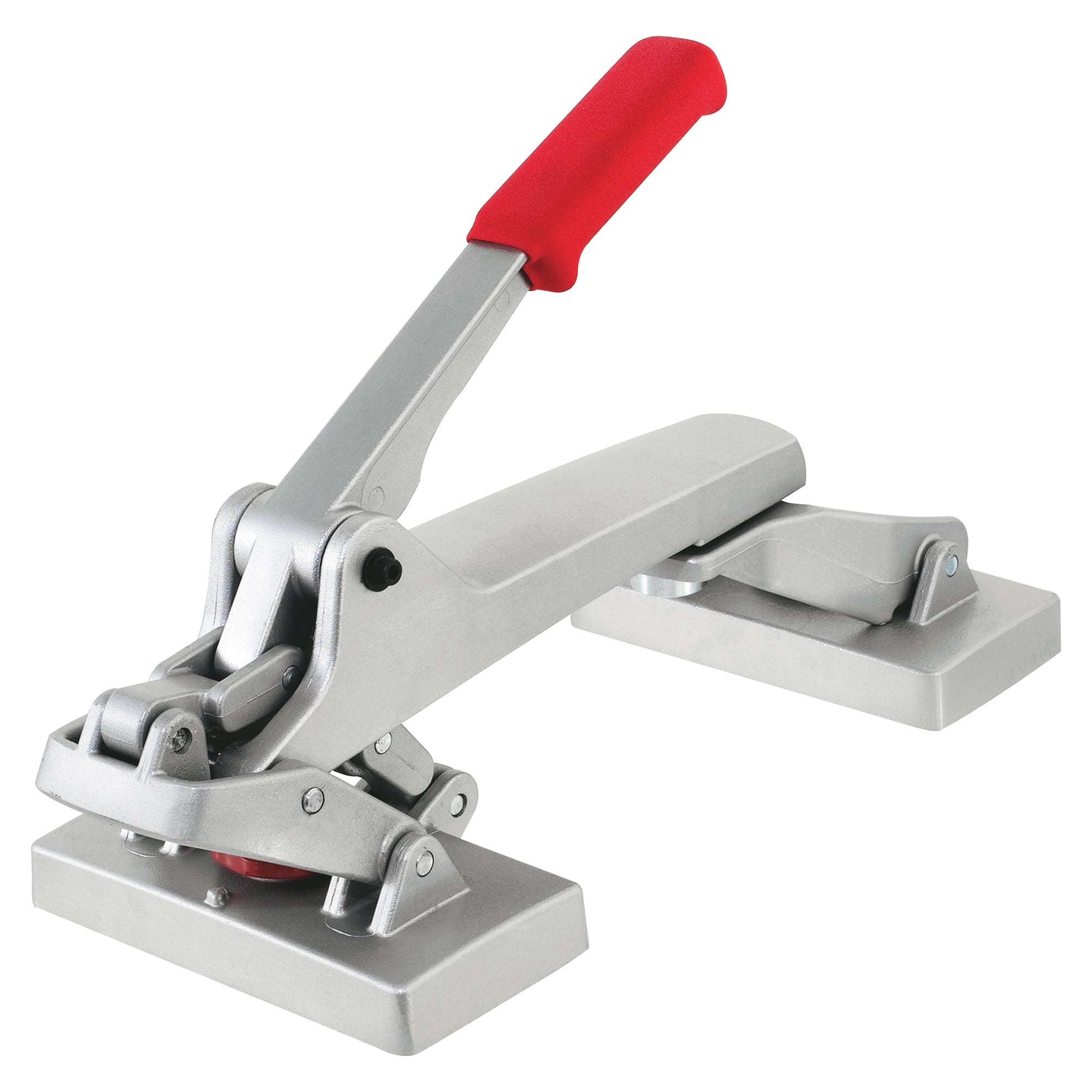
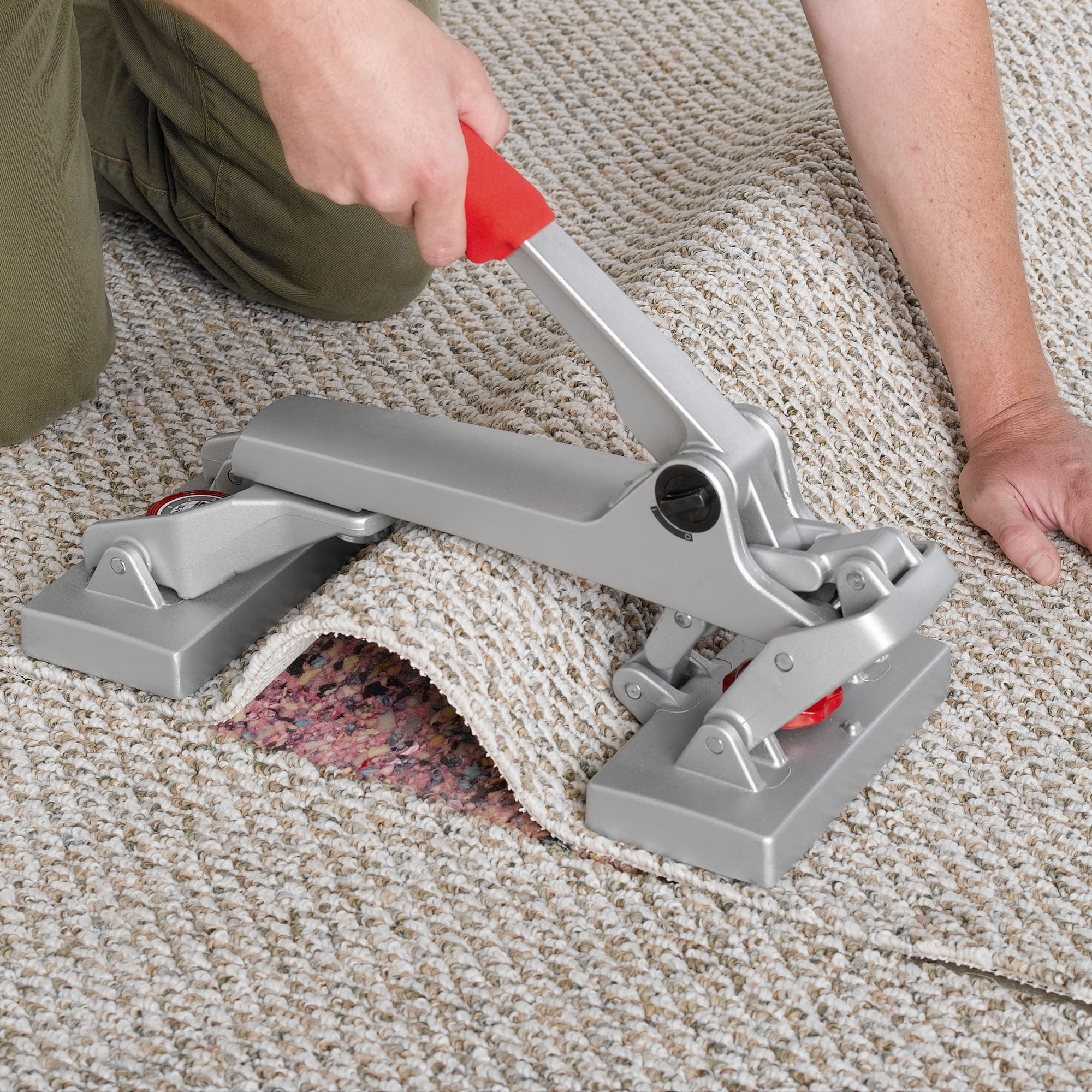
Tensor de potencia para alfombras para tensar bien la alfombra en toda la habitación, evitar ondulaciones y arrugas y asegurarse de que no se combe.
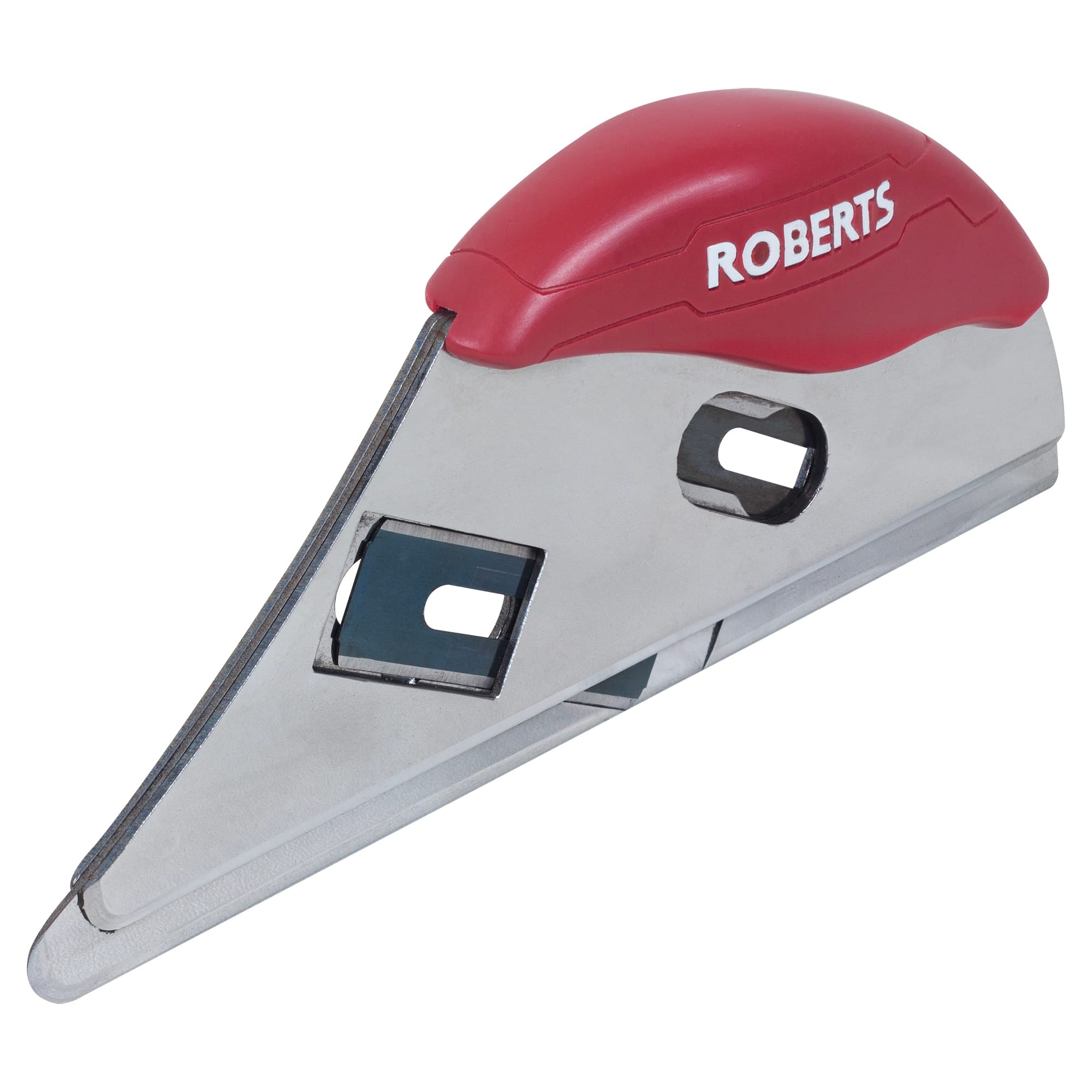
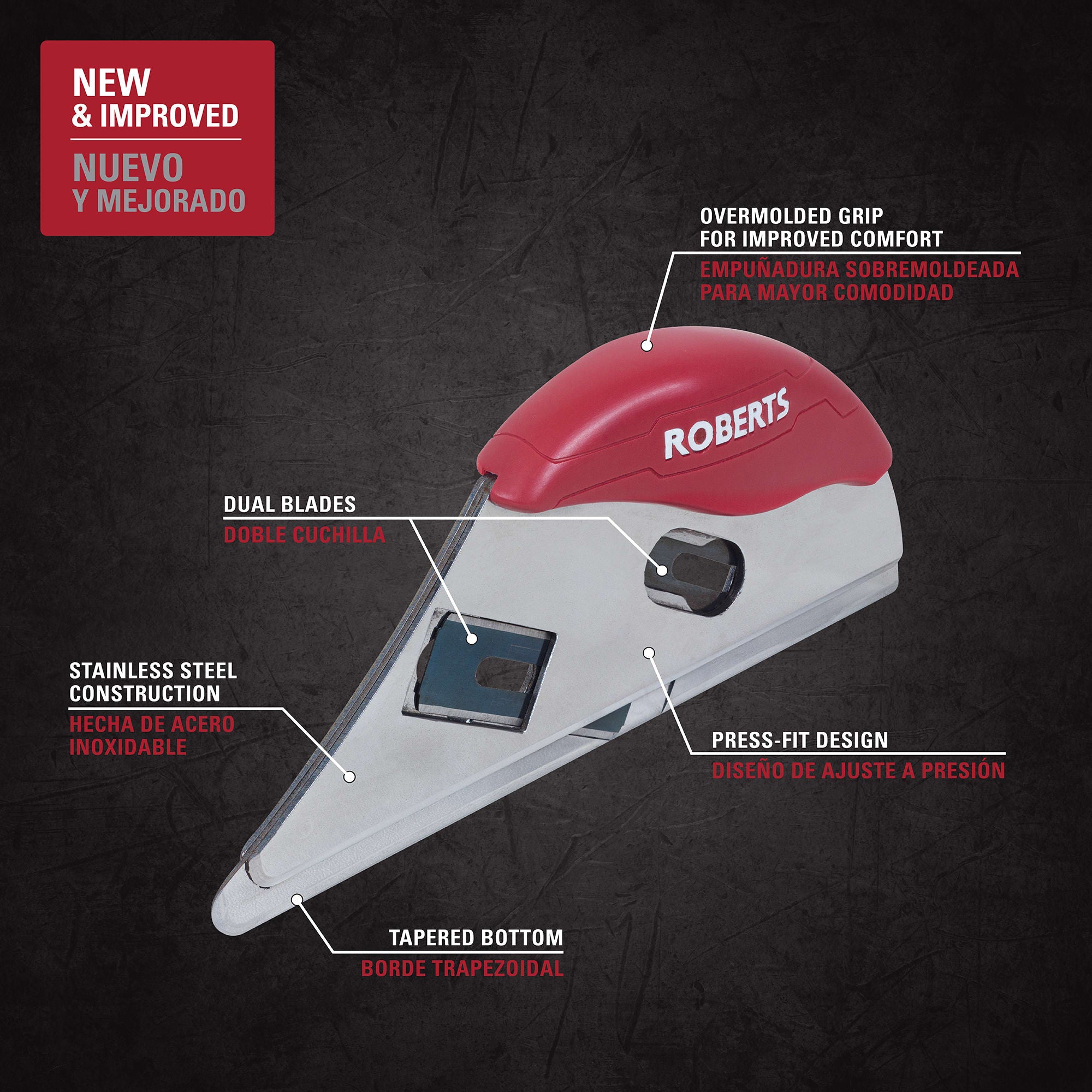
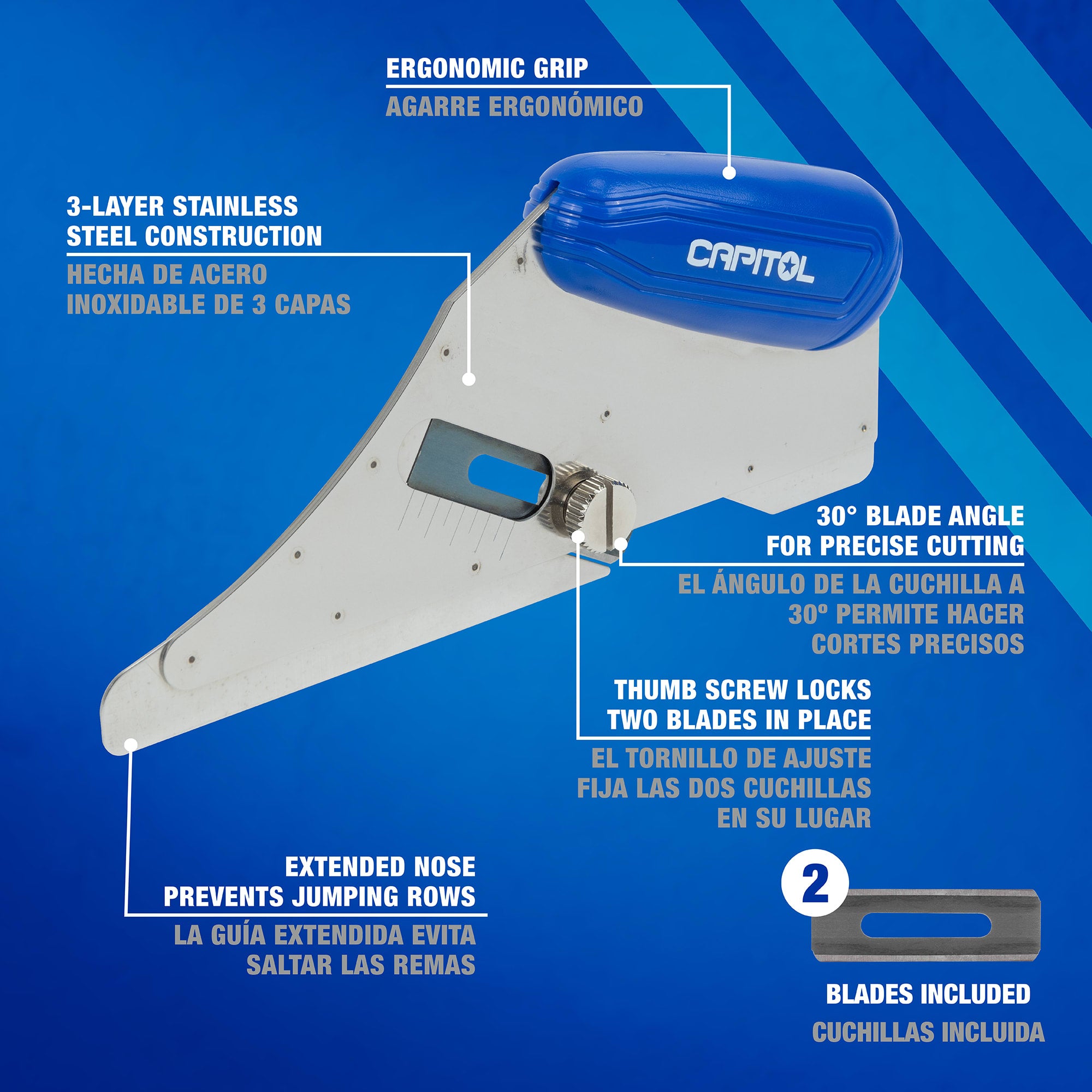
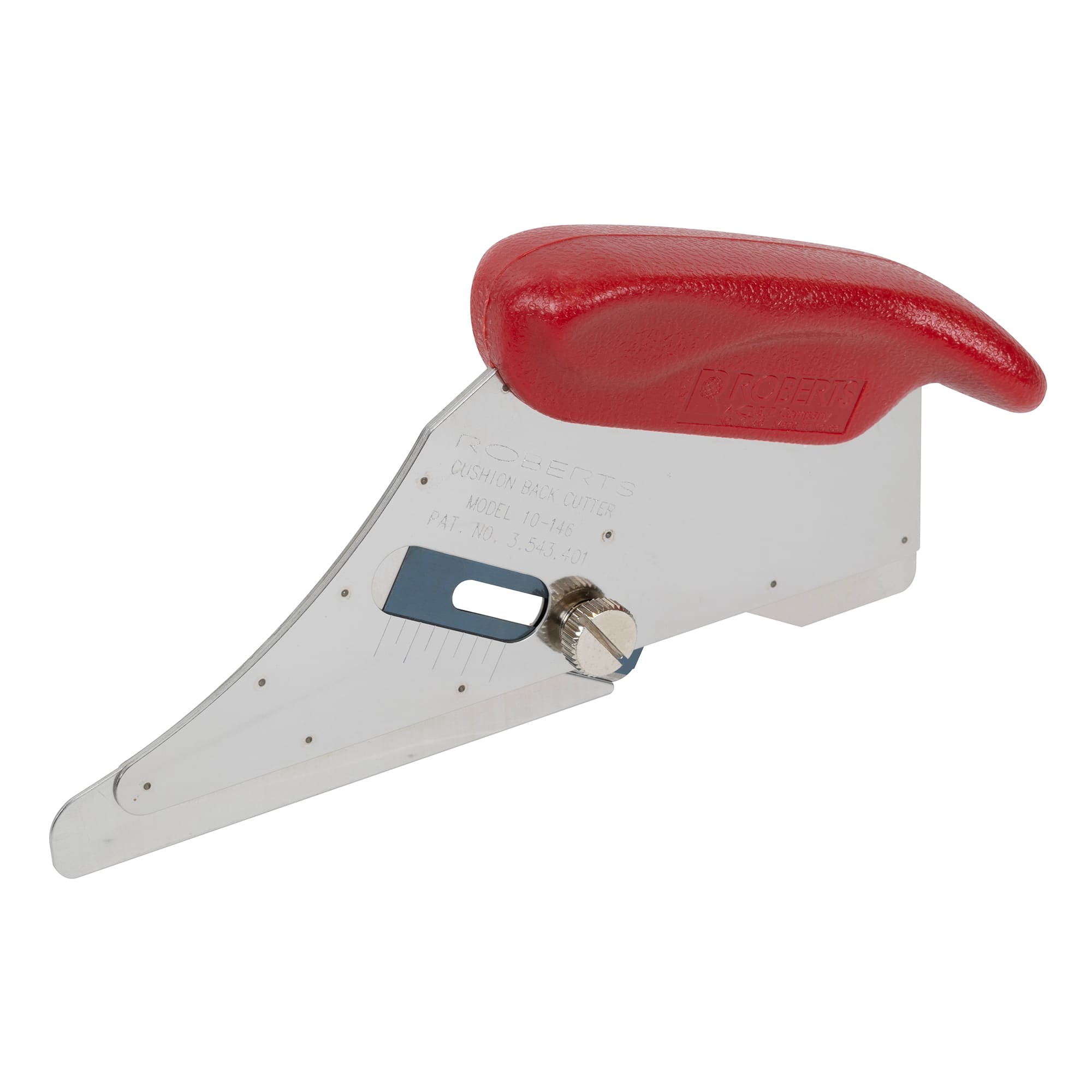
Una cuchilla para alfombras, preferentemente una de doble profundidad con dos posiciones de profundidad para adaptarla al grosor del reverso de la alfombra, una navaja de corte y ajuste para cortar y acomodar la alfombra (una de las herramientas favoritas de los instaladores de alfombras), y un cuchillo para almohadilla de alfombras y capas base que corta la almohadilla de la alfombra de forma eficaz y que resulta ideal para la instalación de alfombras y capas base.
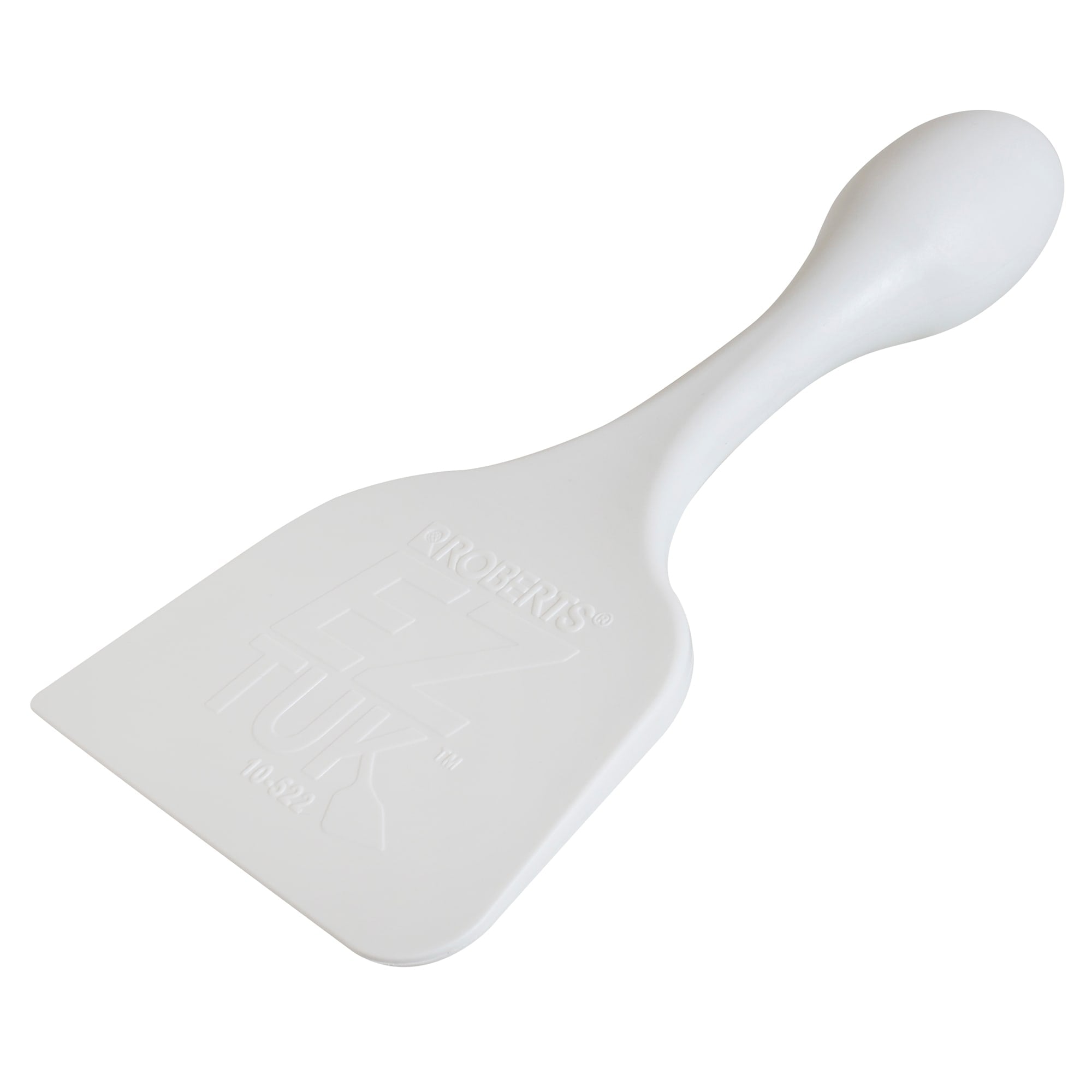
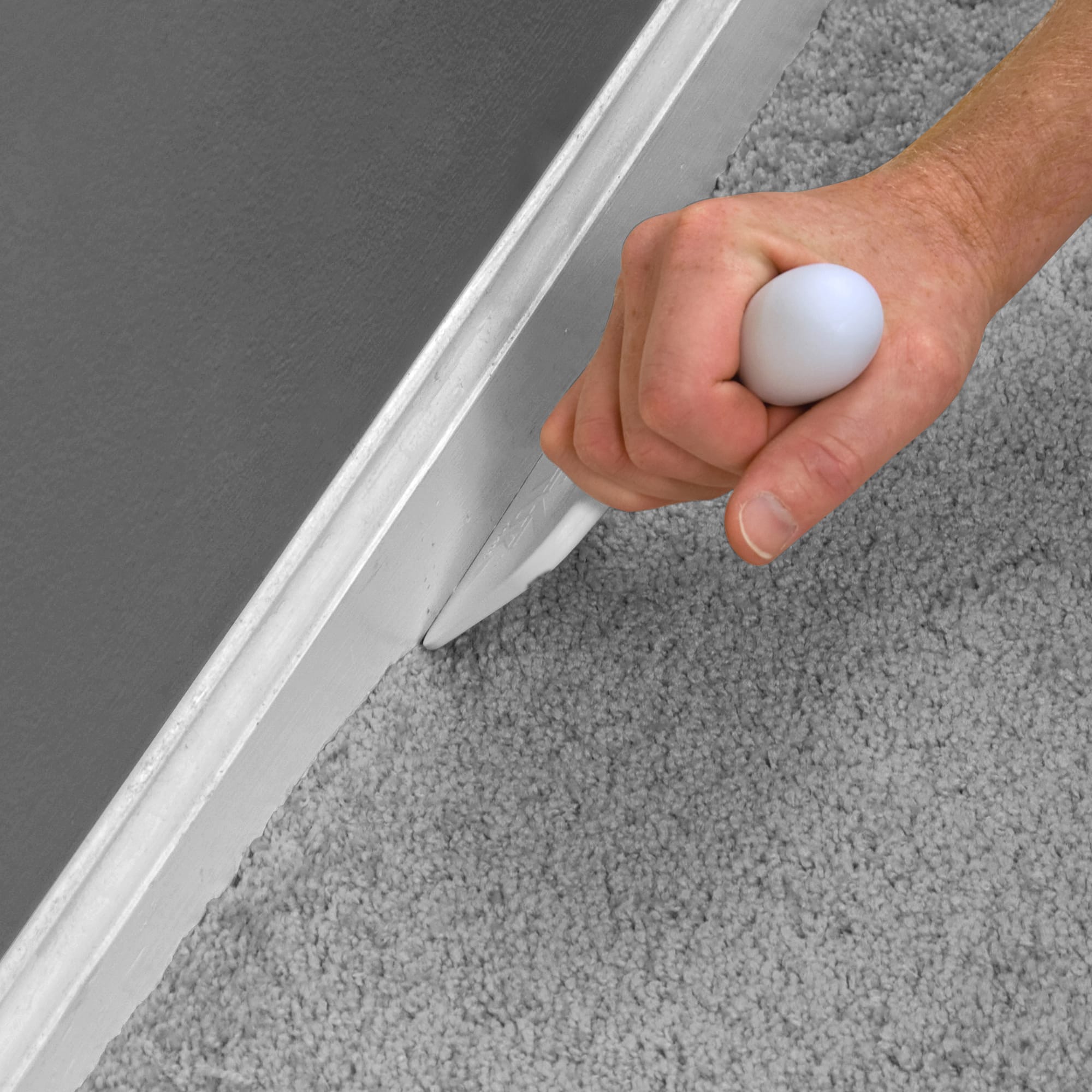
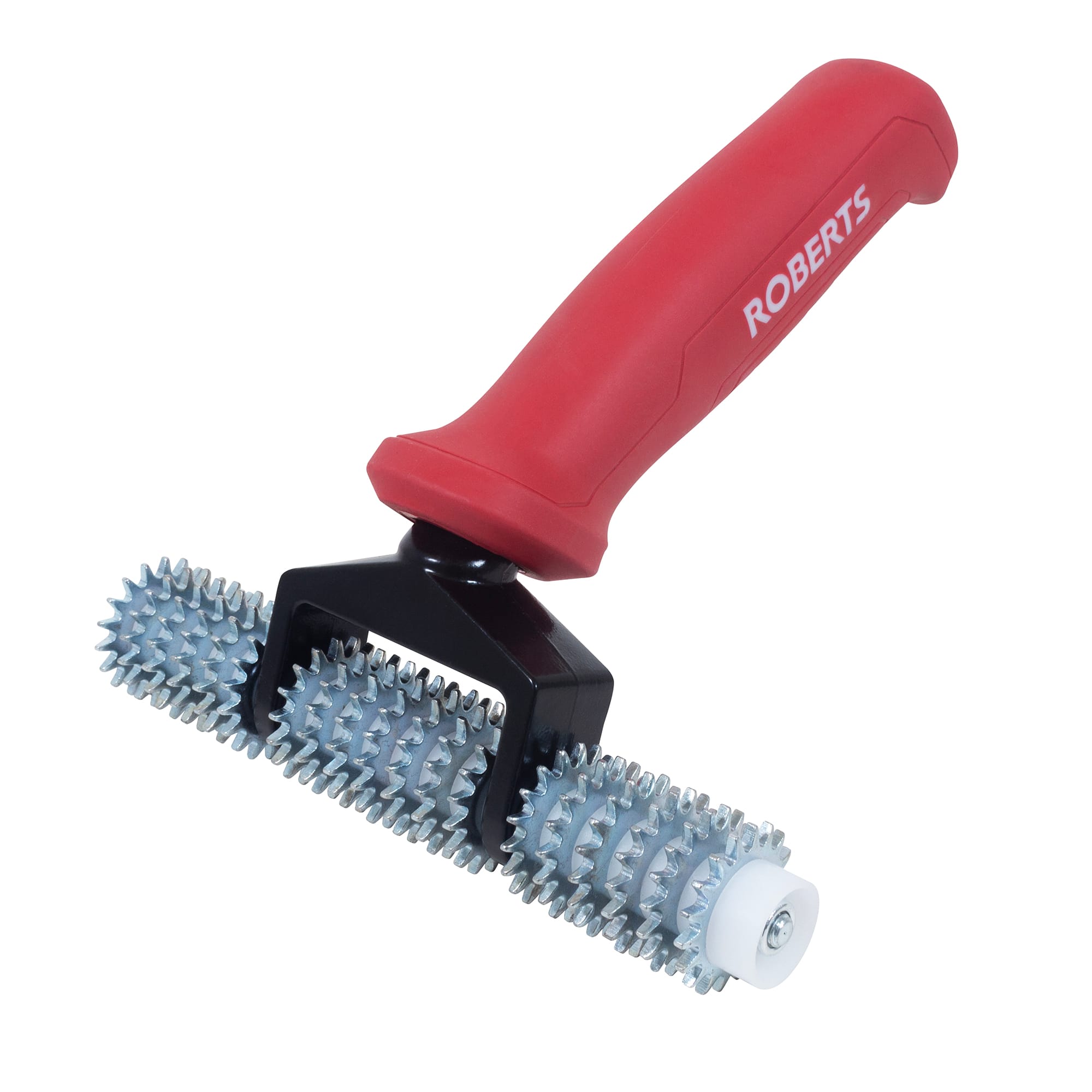
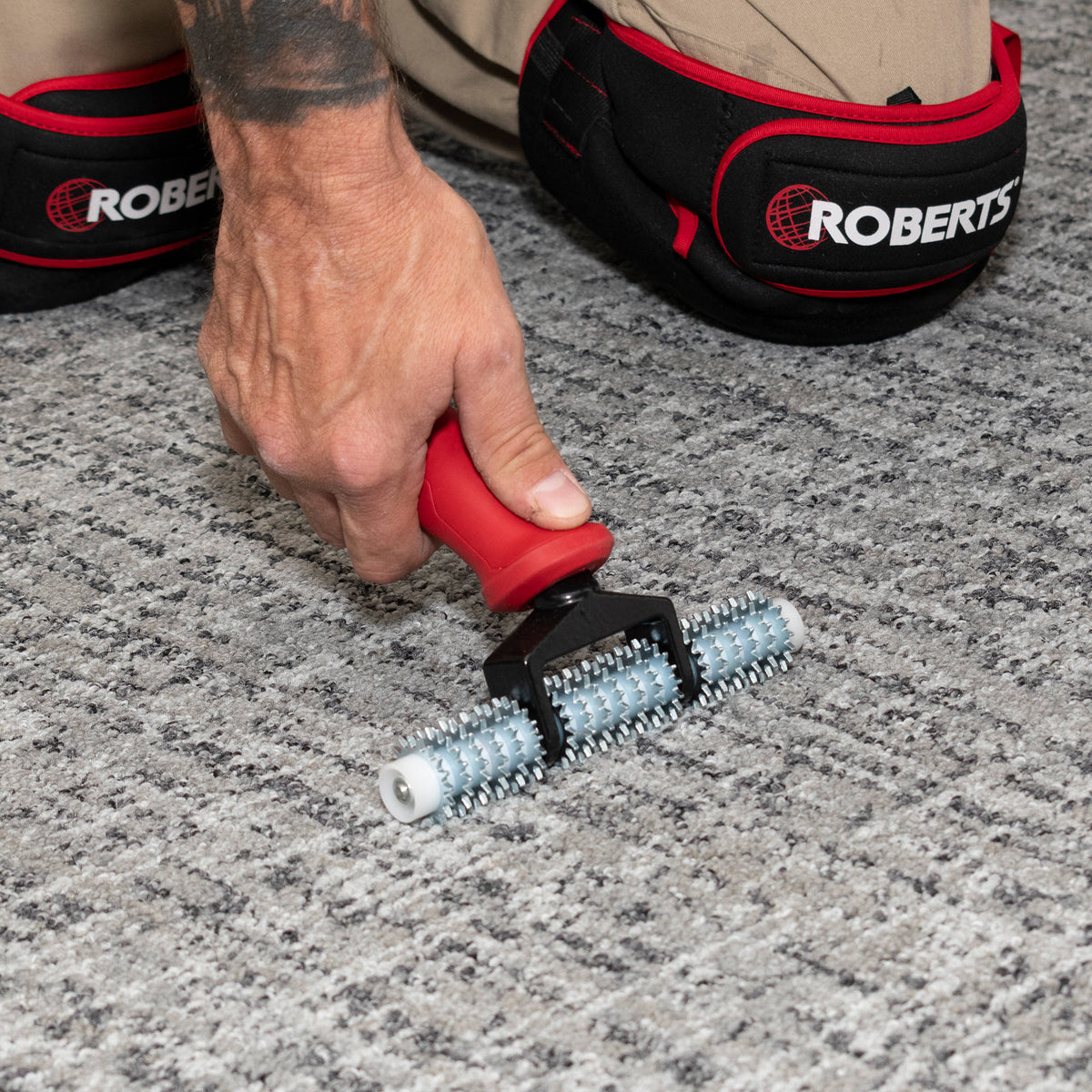
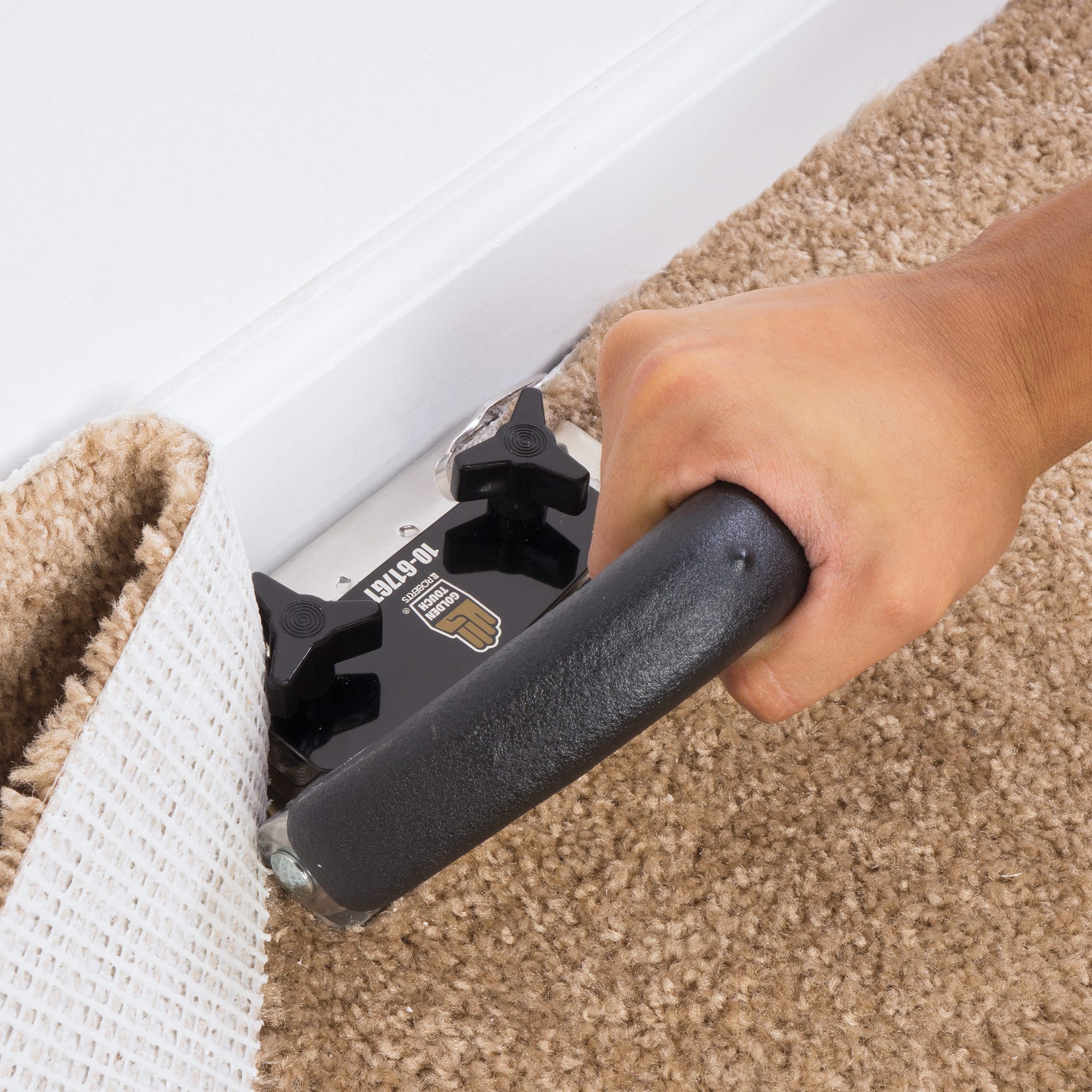
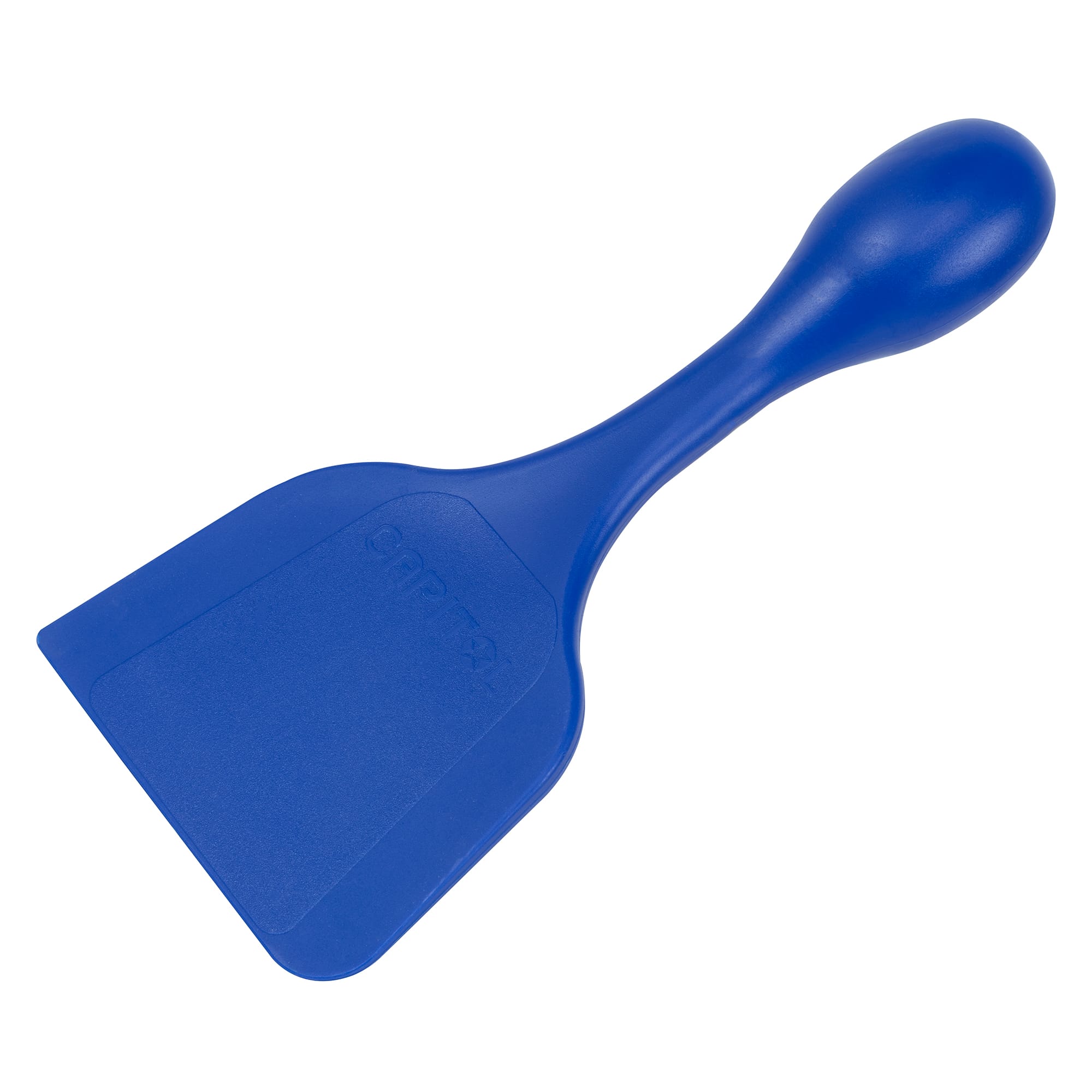
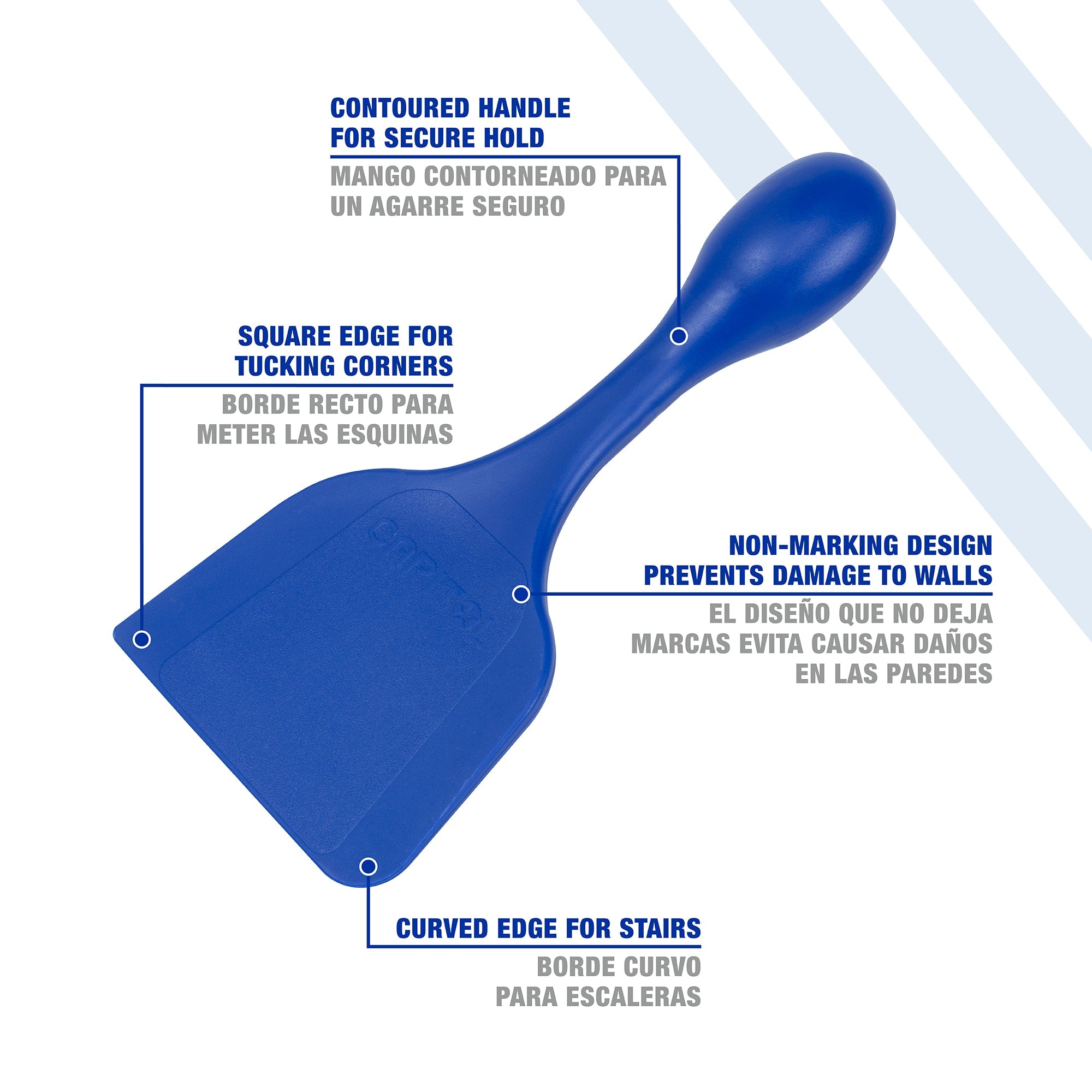
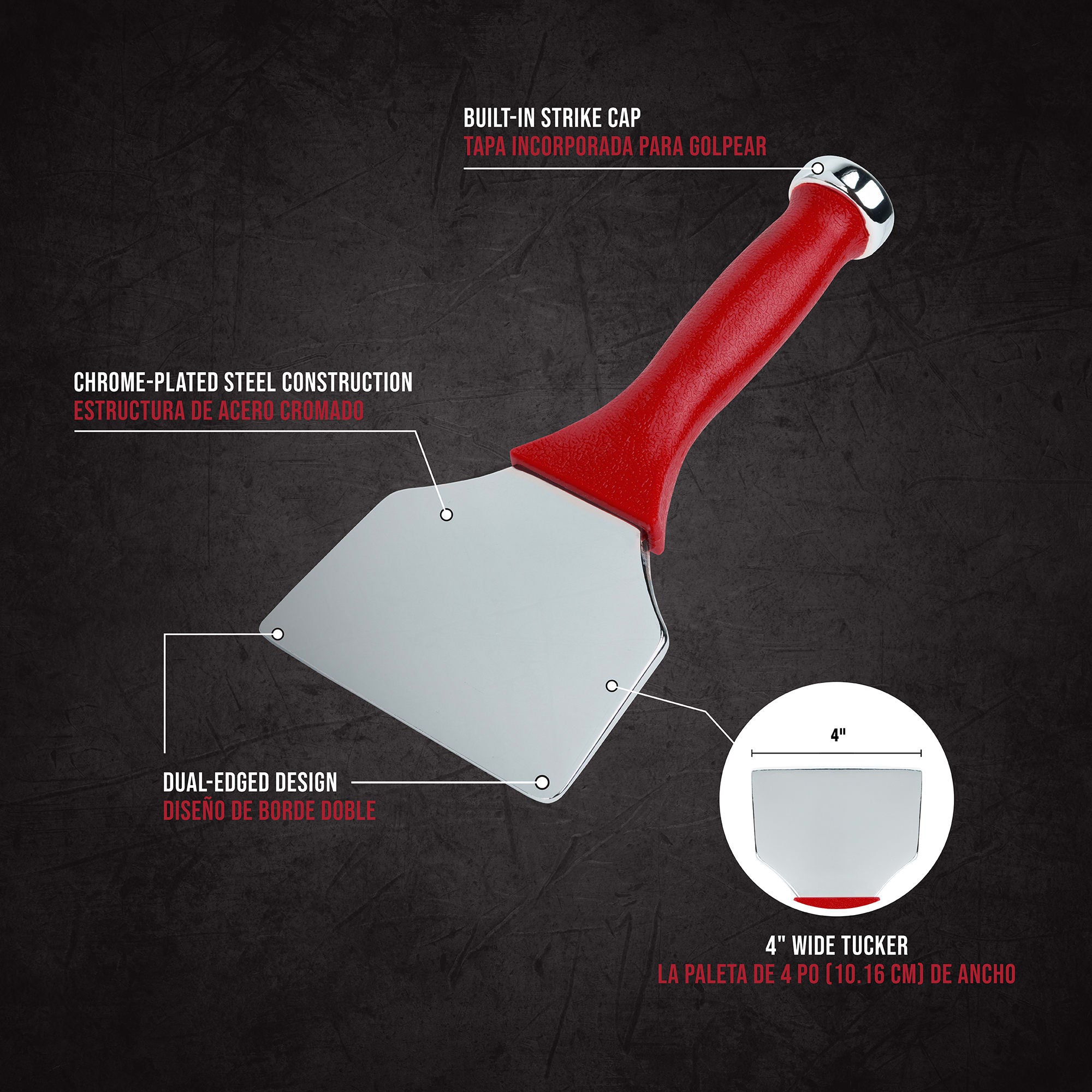
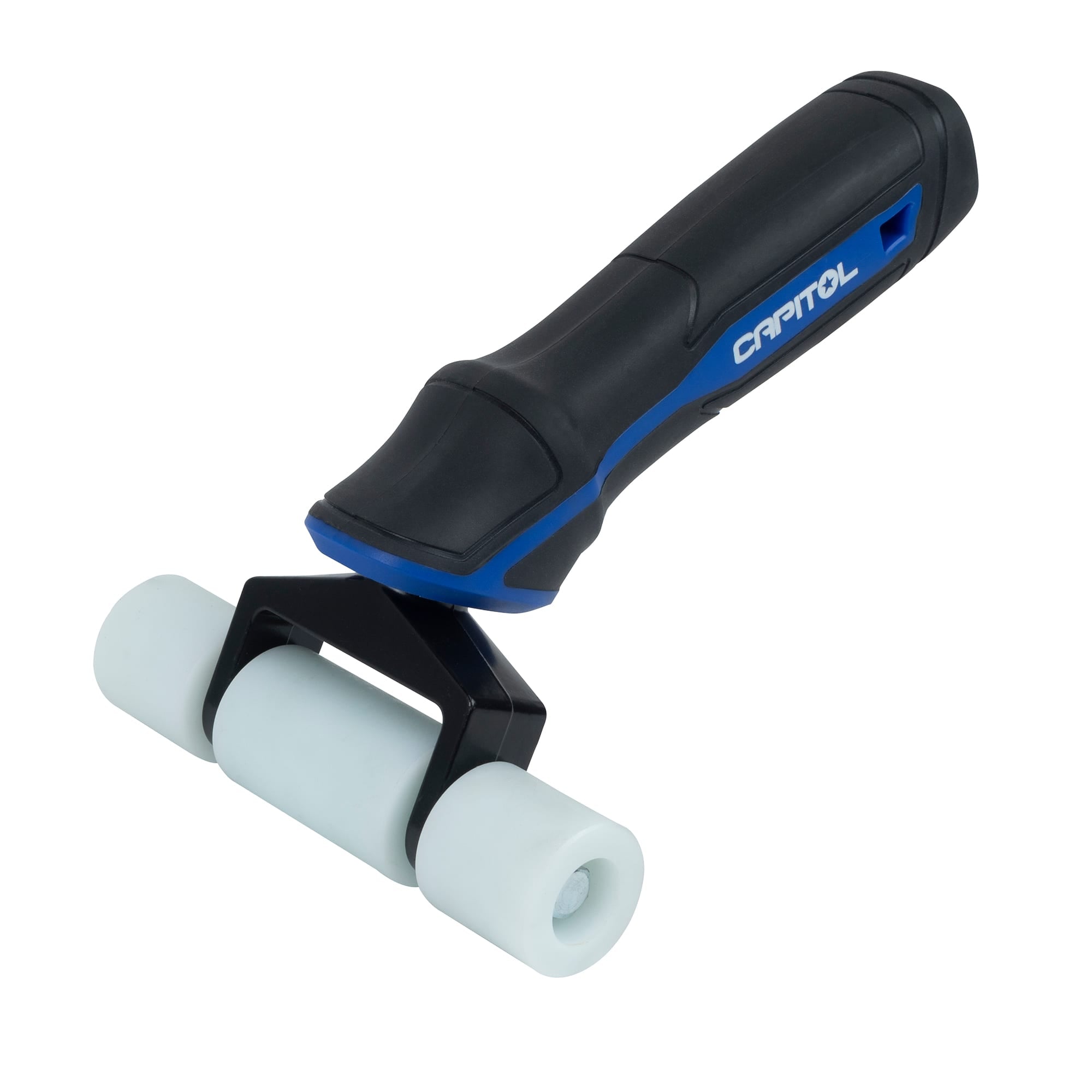
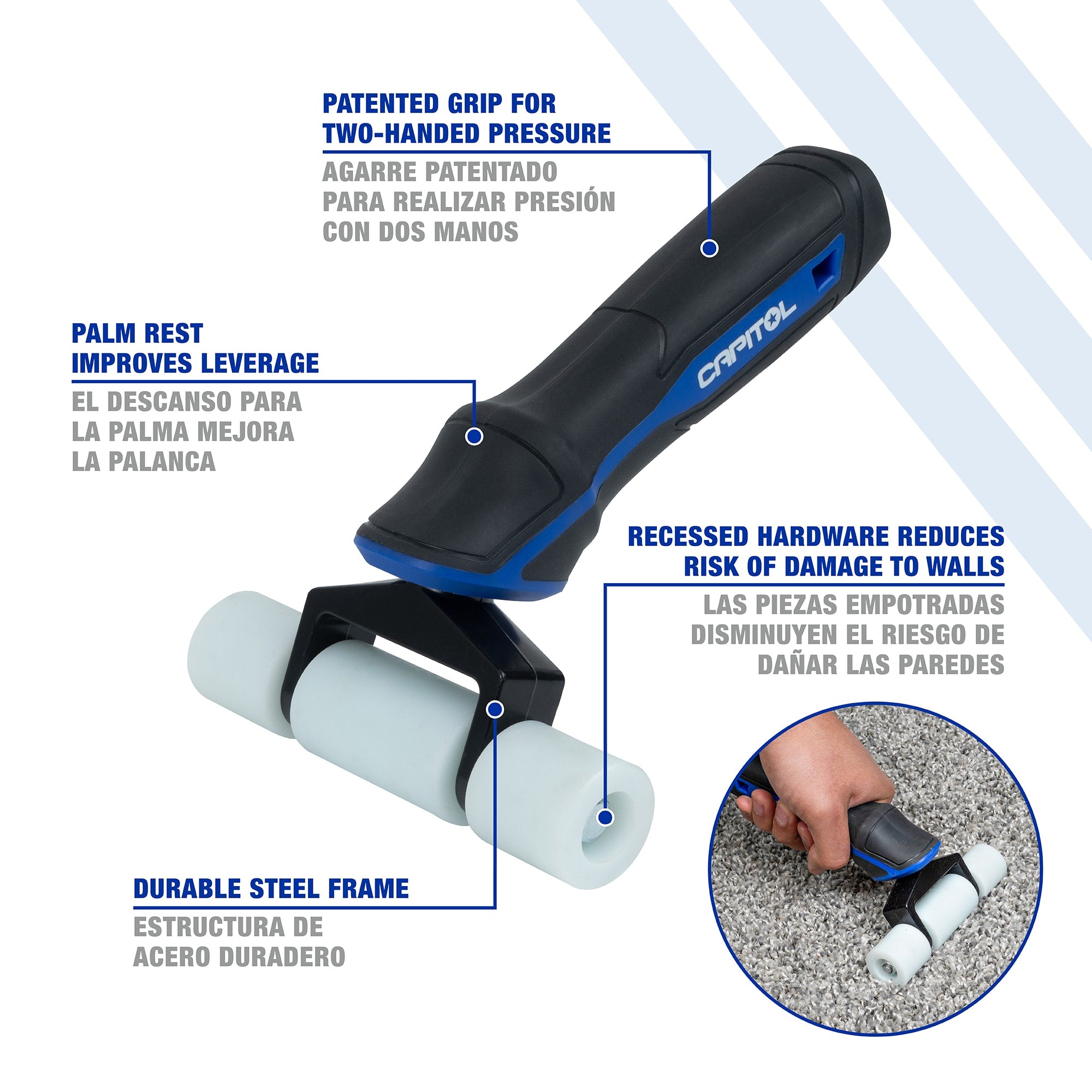
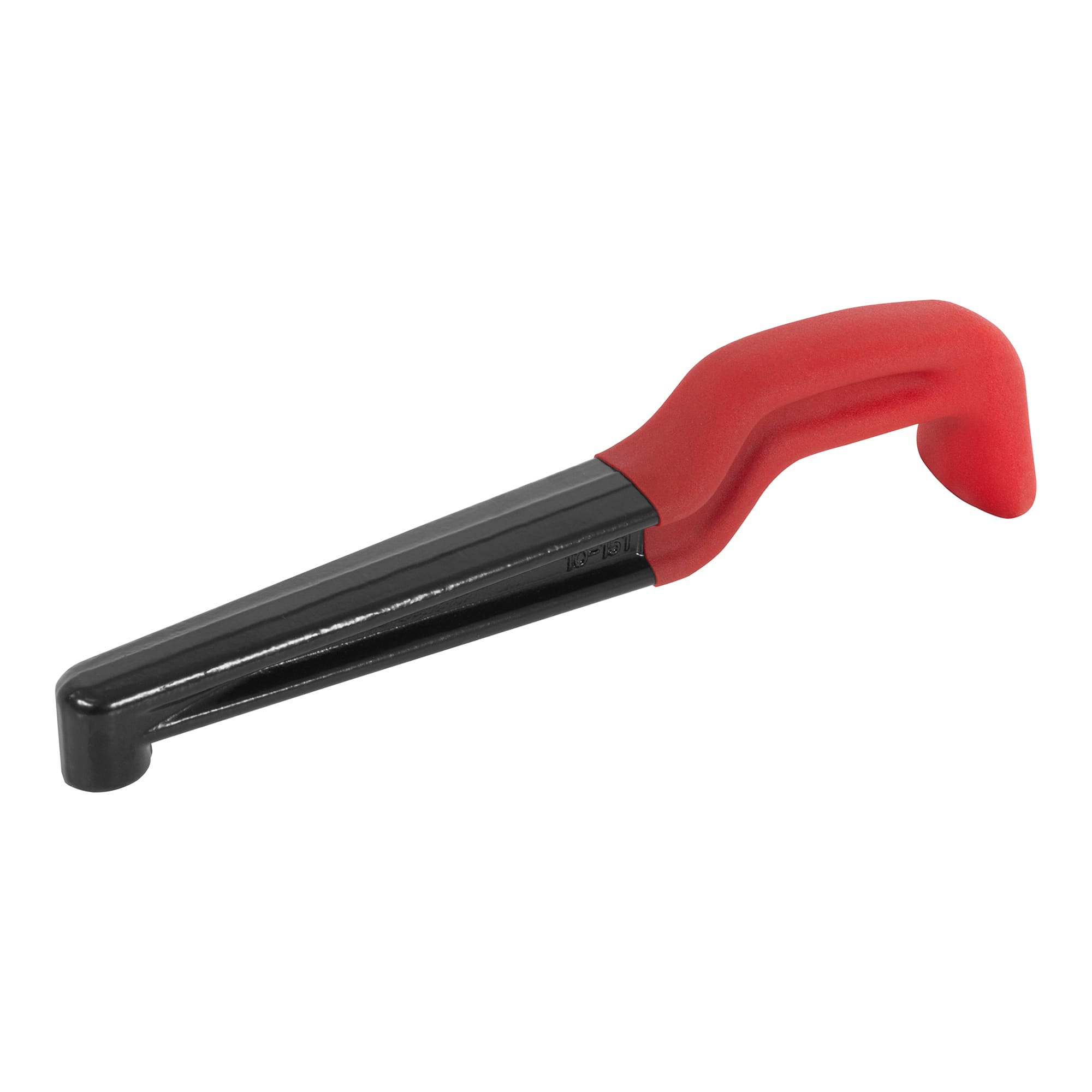
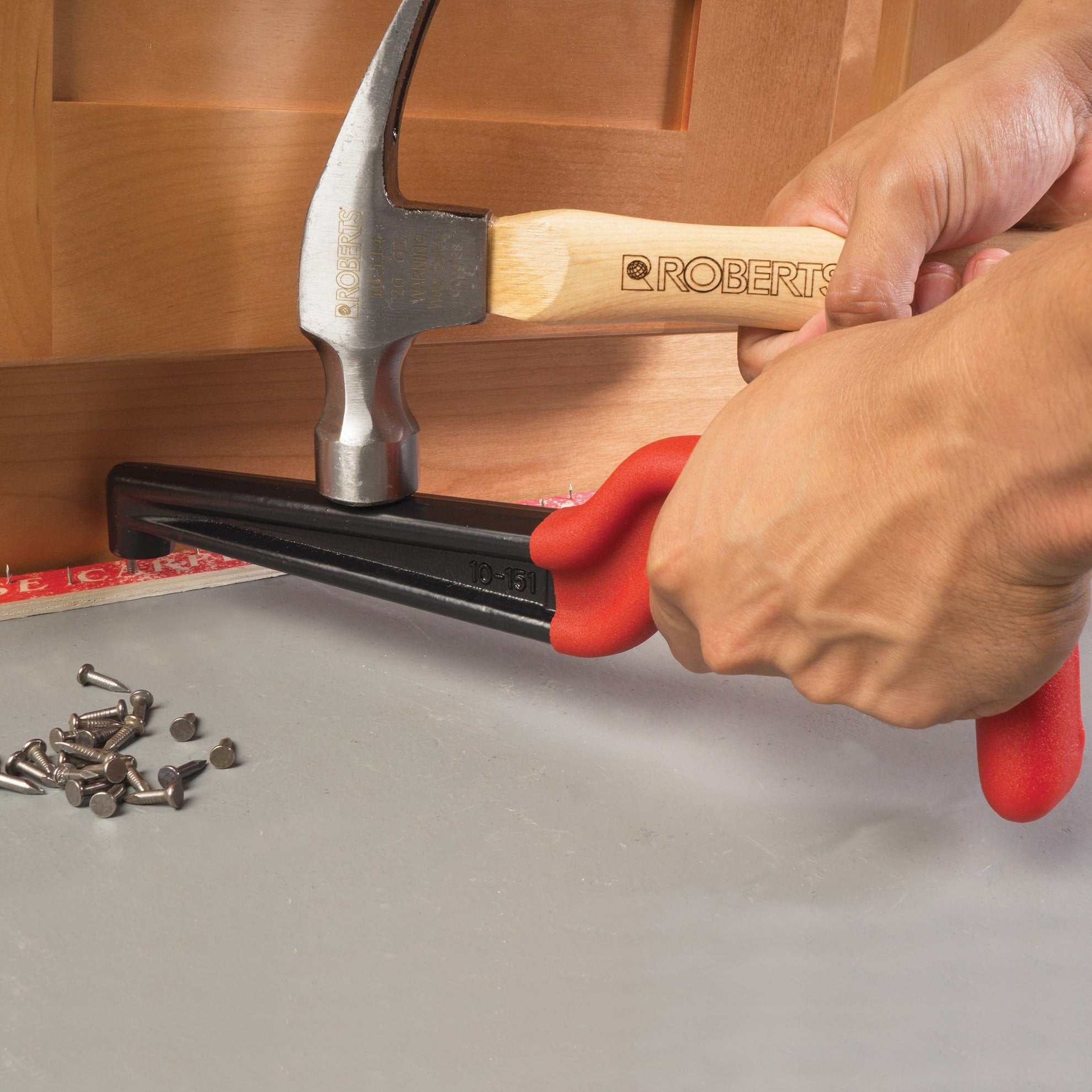
Acomodador de alfombras para fijar firmemente la alfombra a las tiras de púas, introducir el exceso de material en las ranuras de los zócalos y alisar las arrugas para que la alfombra tenga un aspecto general de instalación profesional.
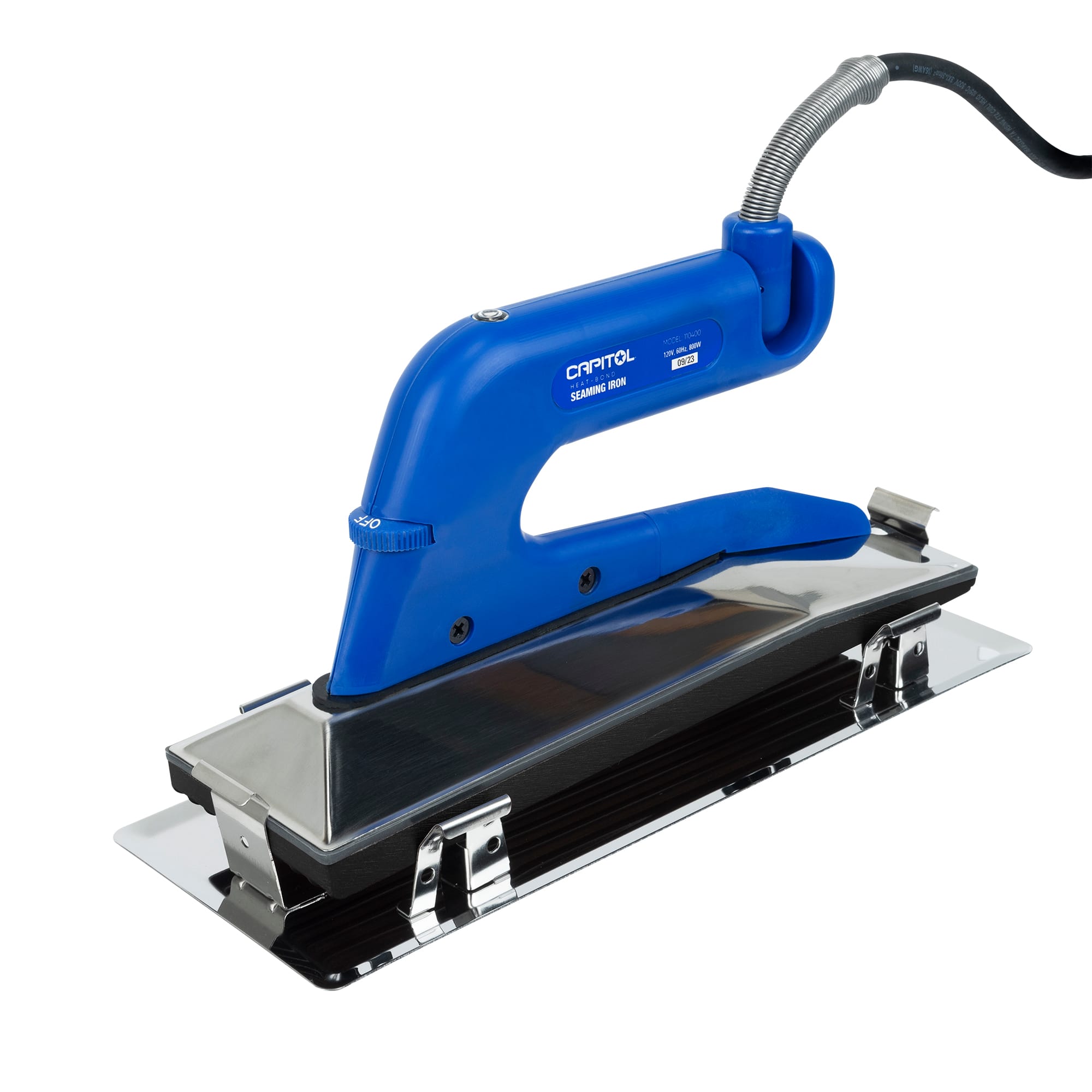
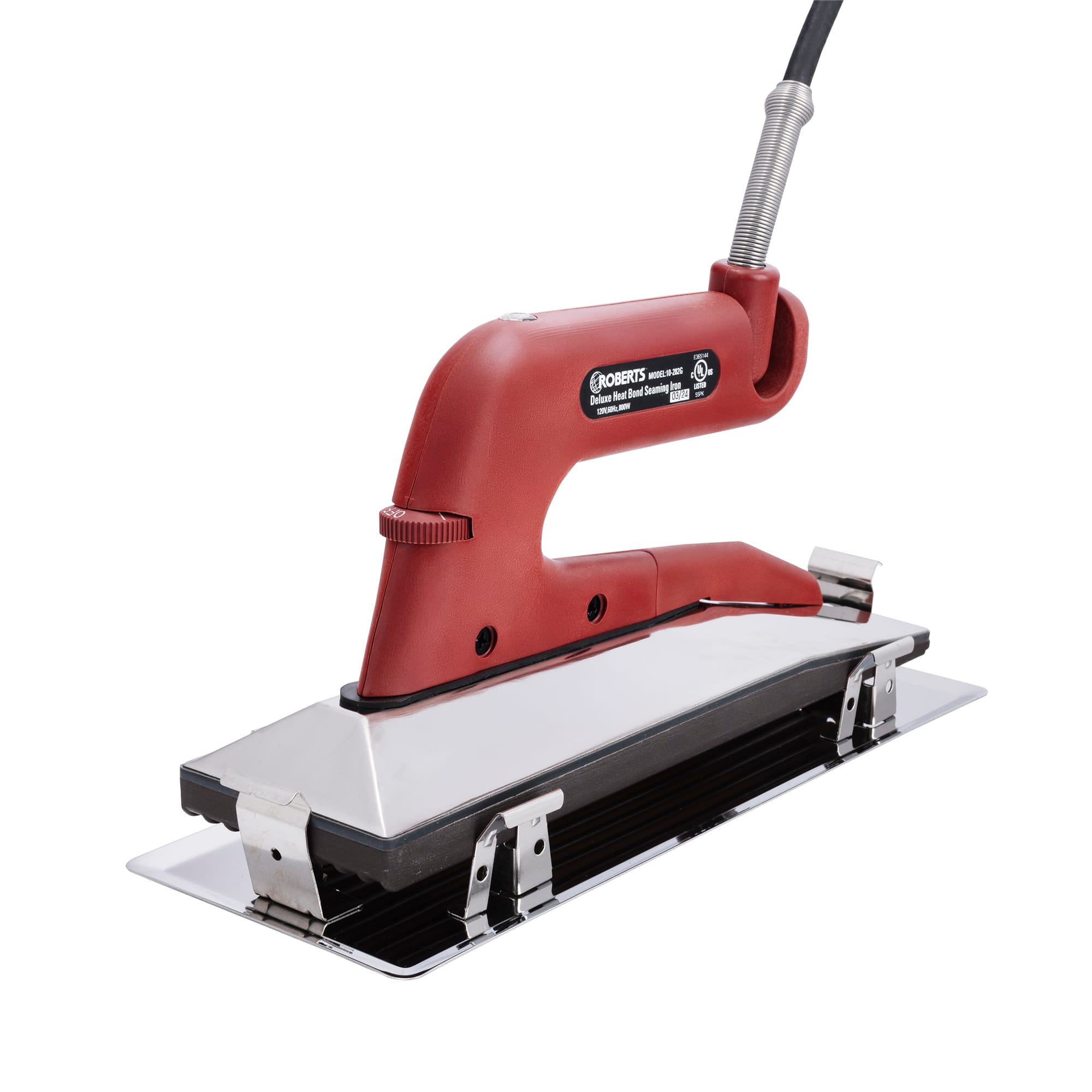
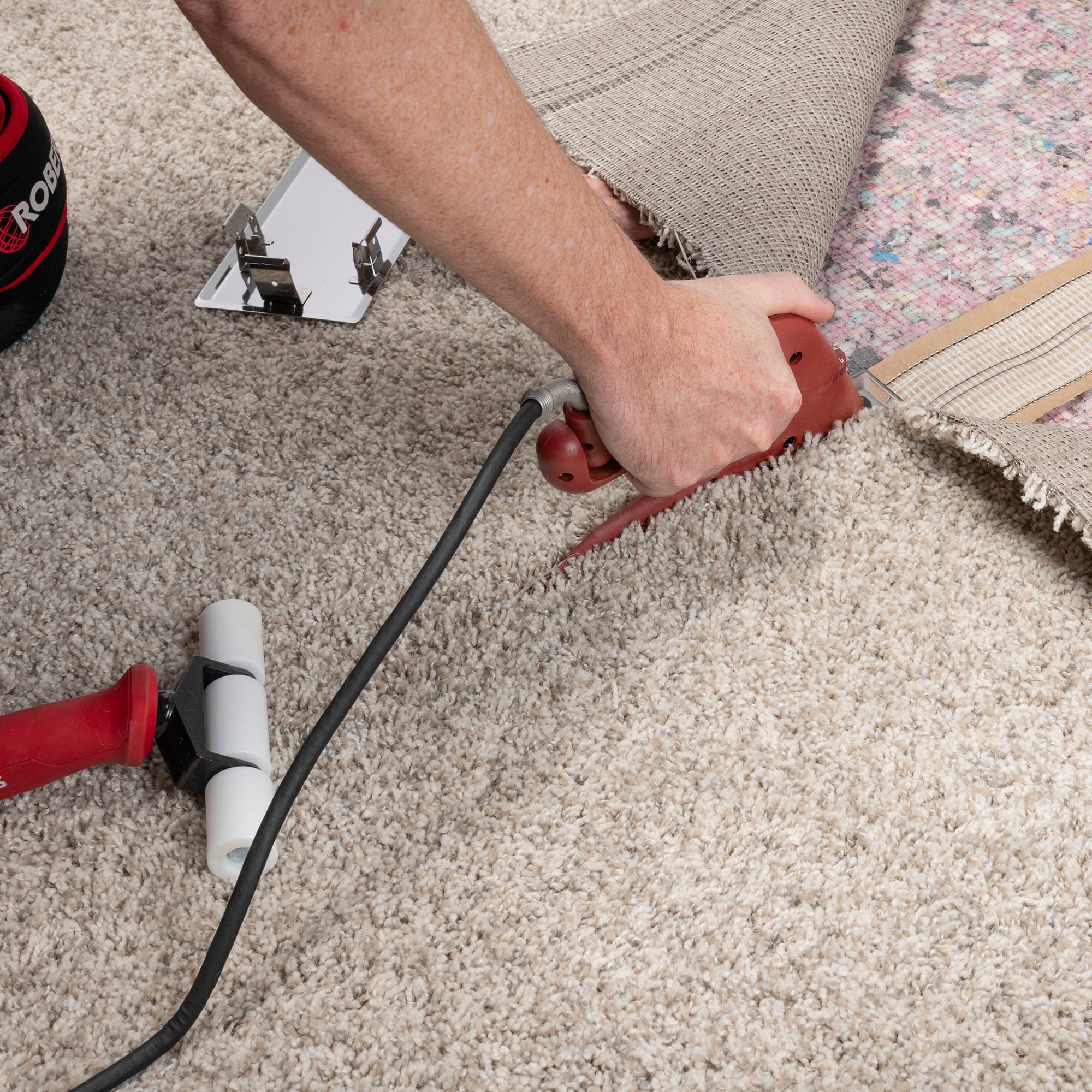
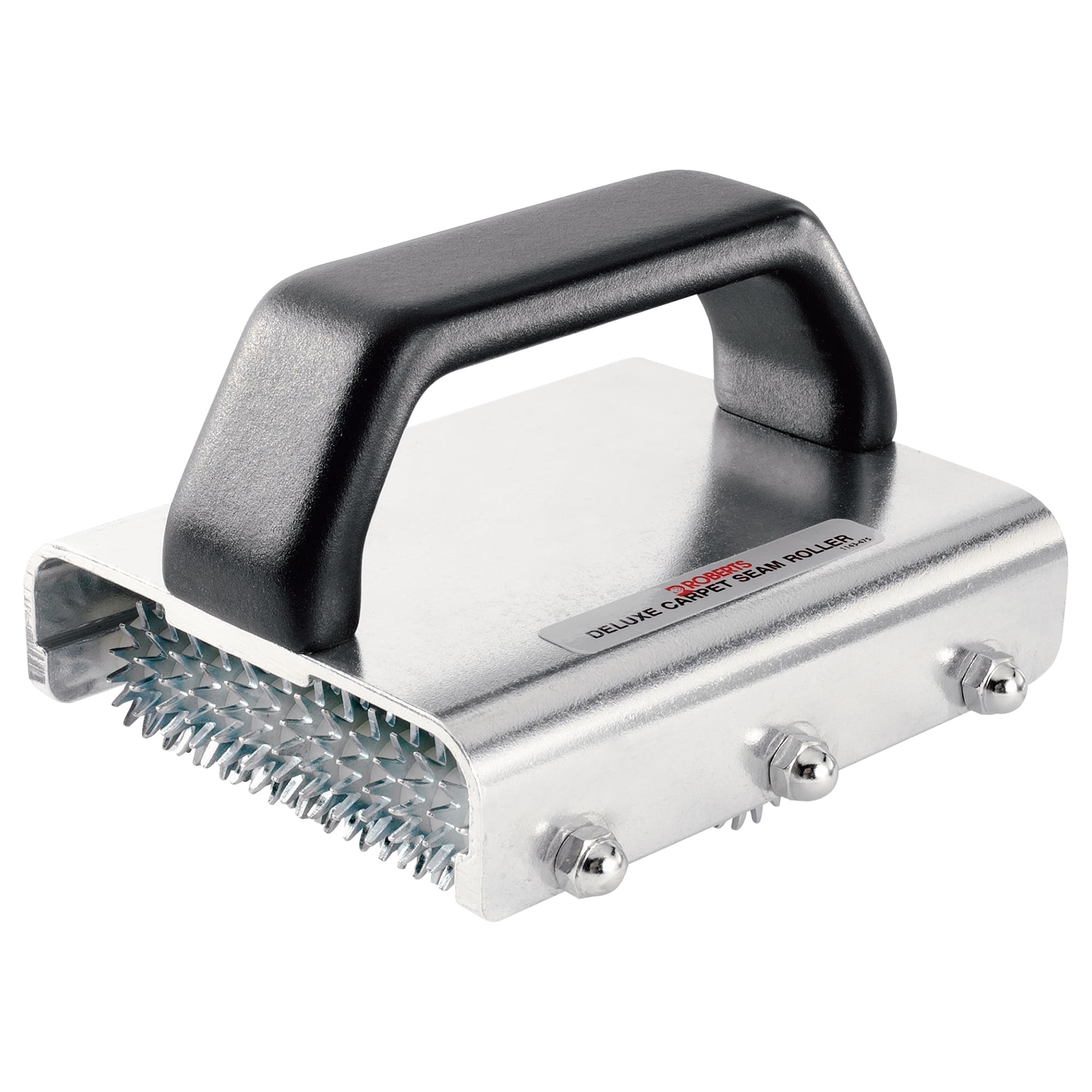
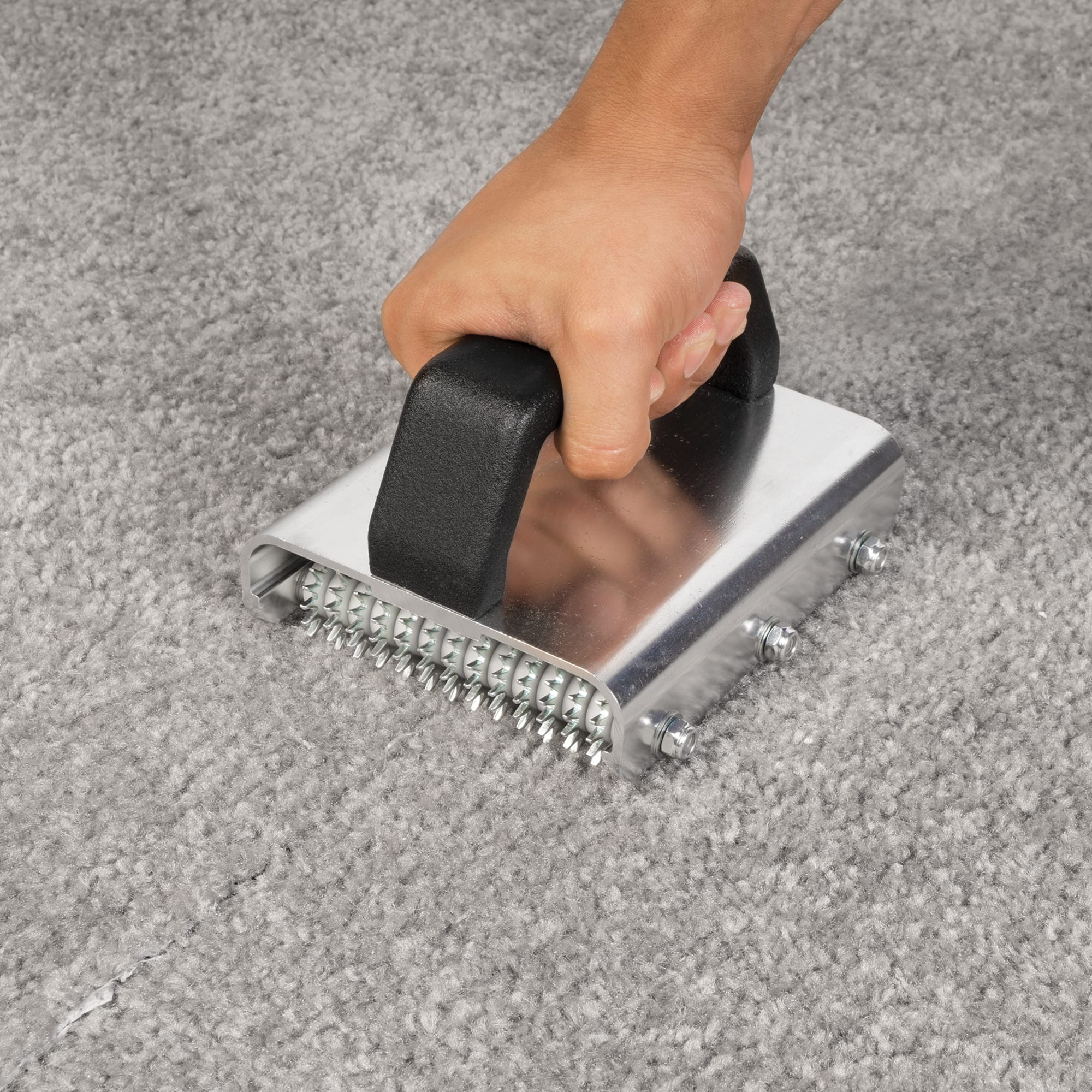
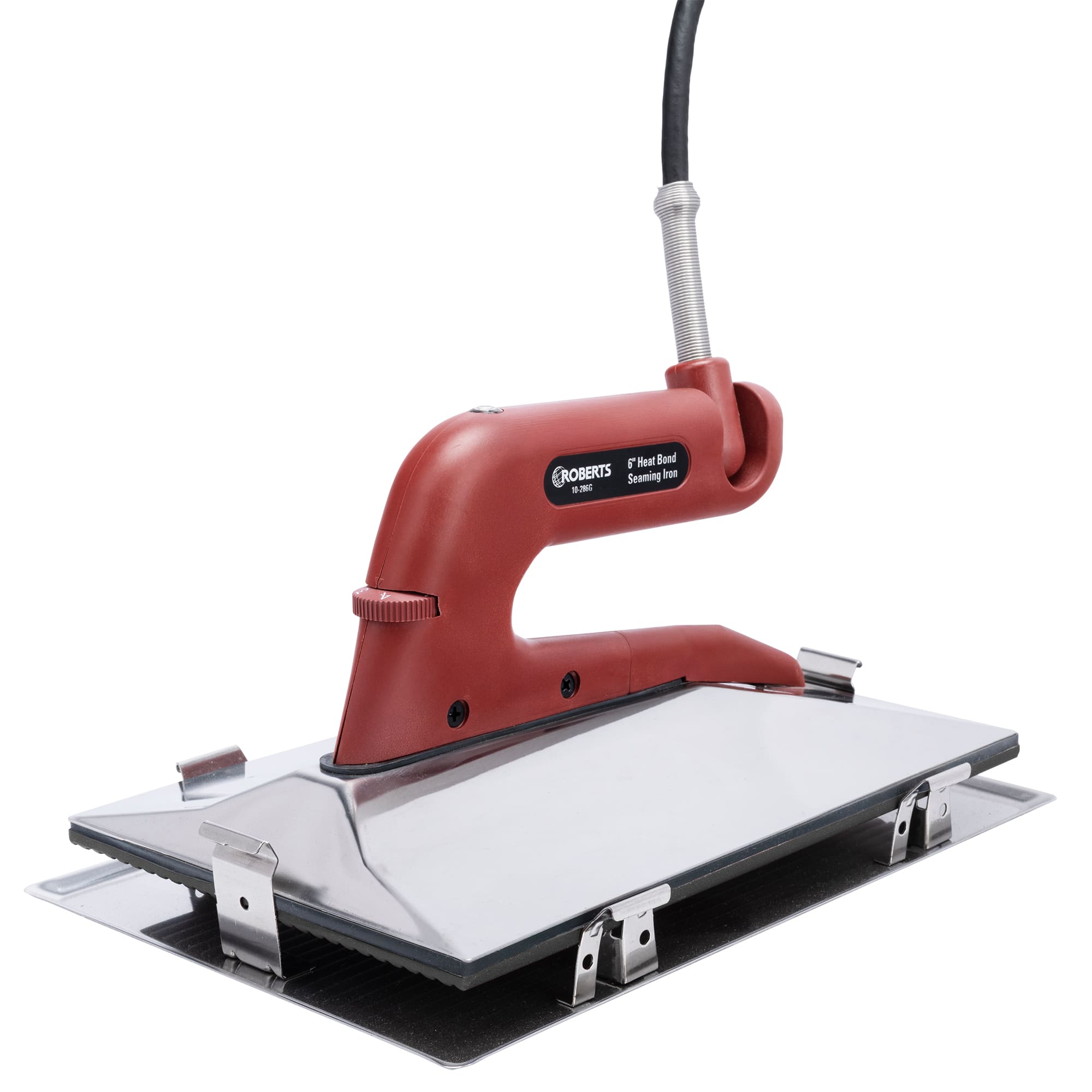
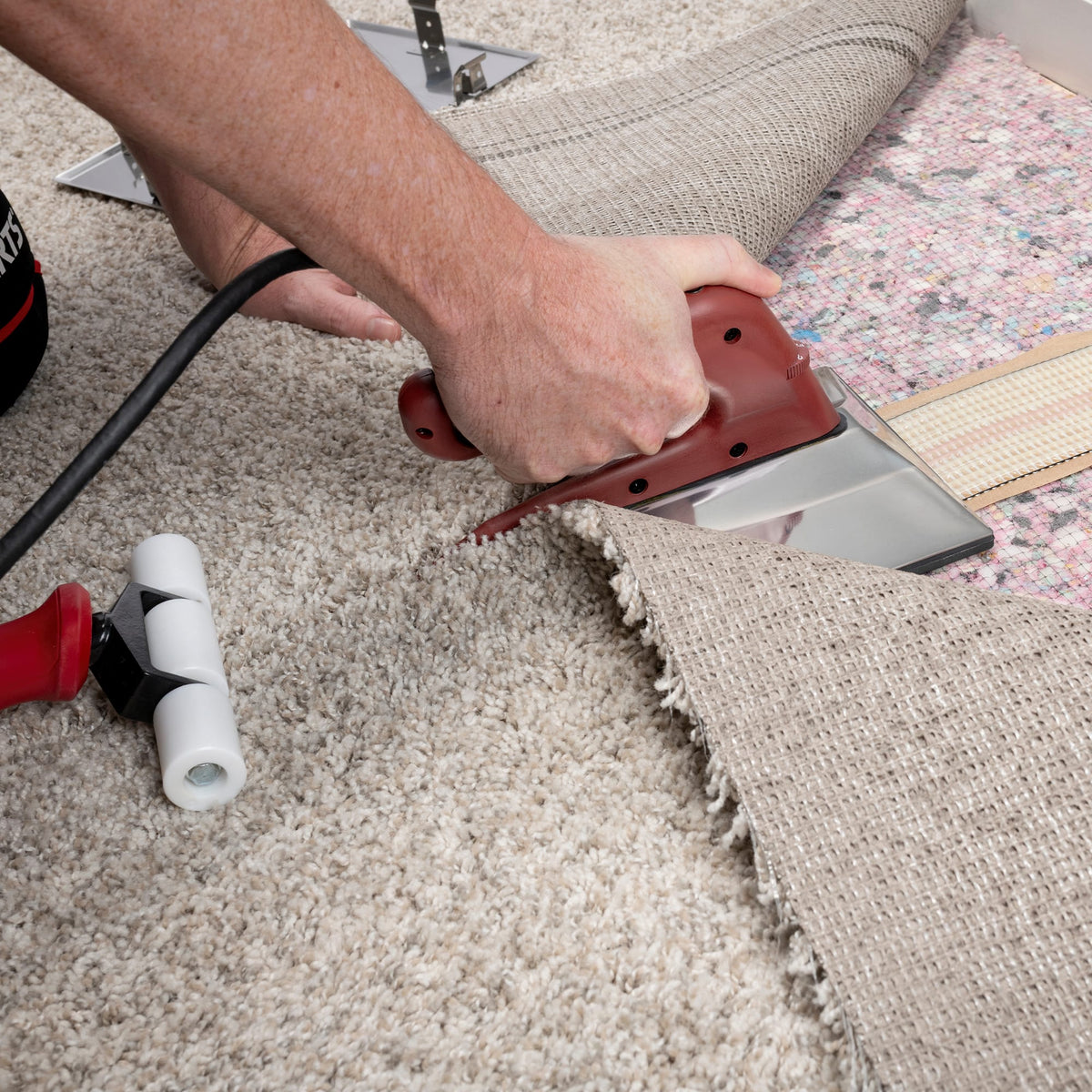
Plancha para uniones de alfombras para conseguir una distribución uniforme del calor, lo que garantiza una fusión homogénea de la cinta termoadhesiva para uniones y une los bordes de la alfombra sin quemar ni encoger las fibras.
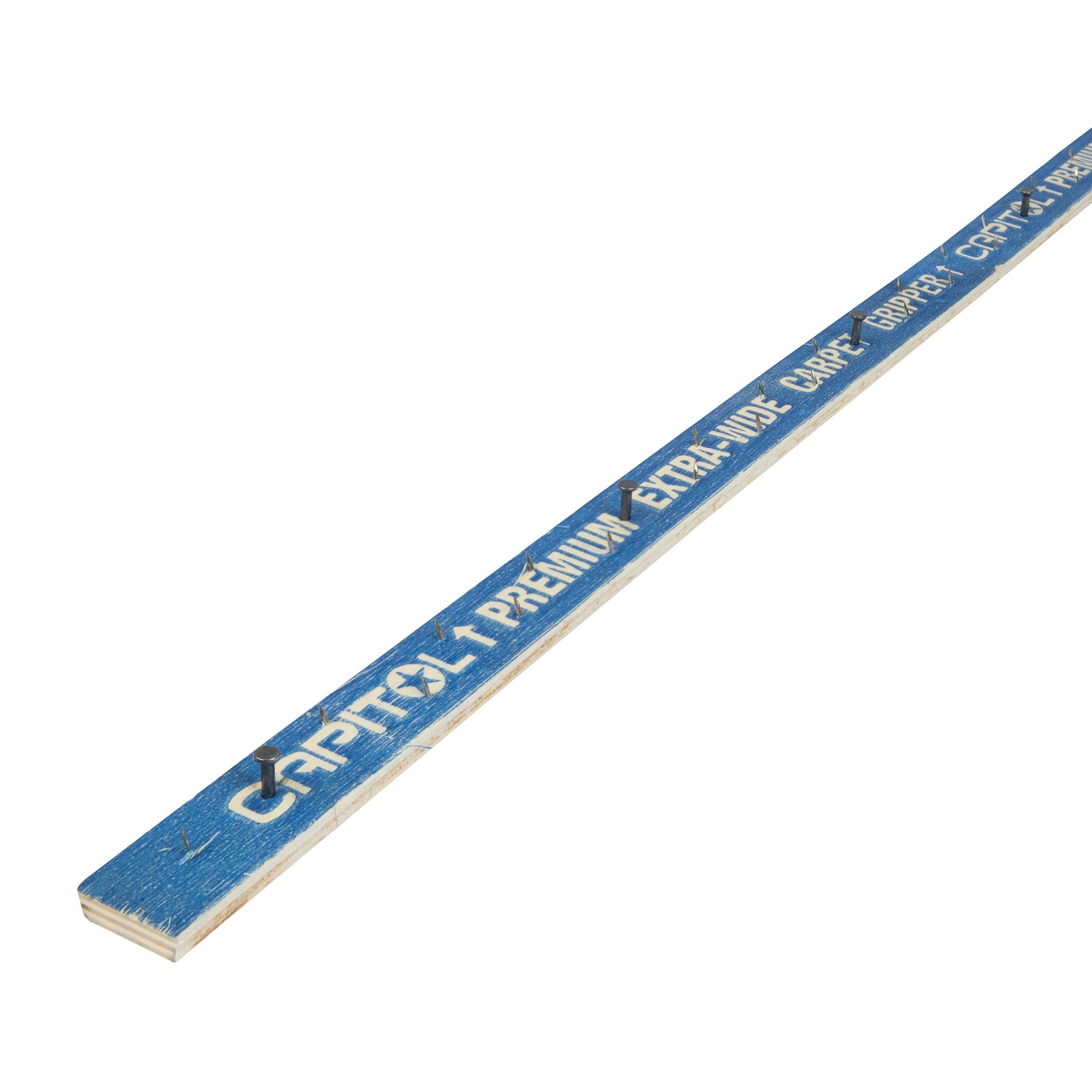
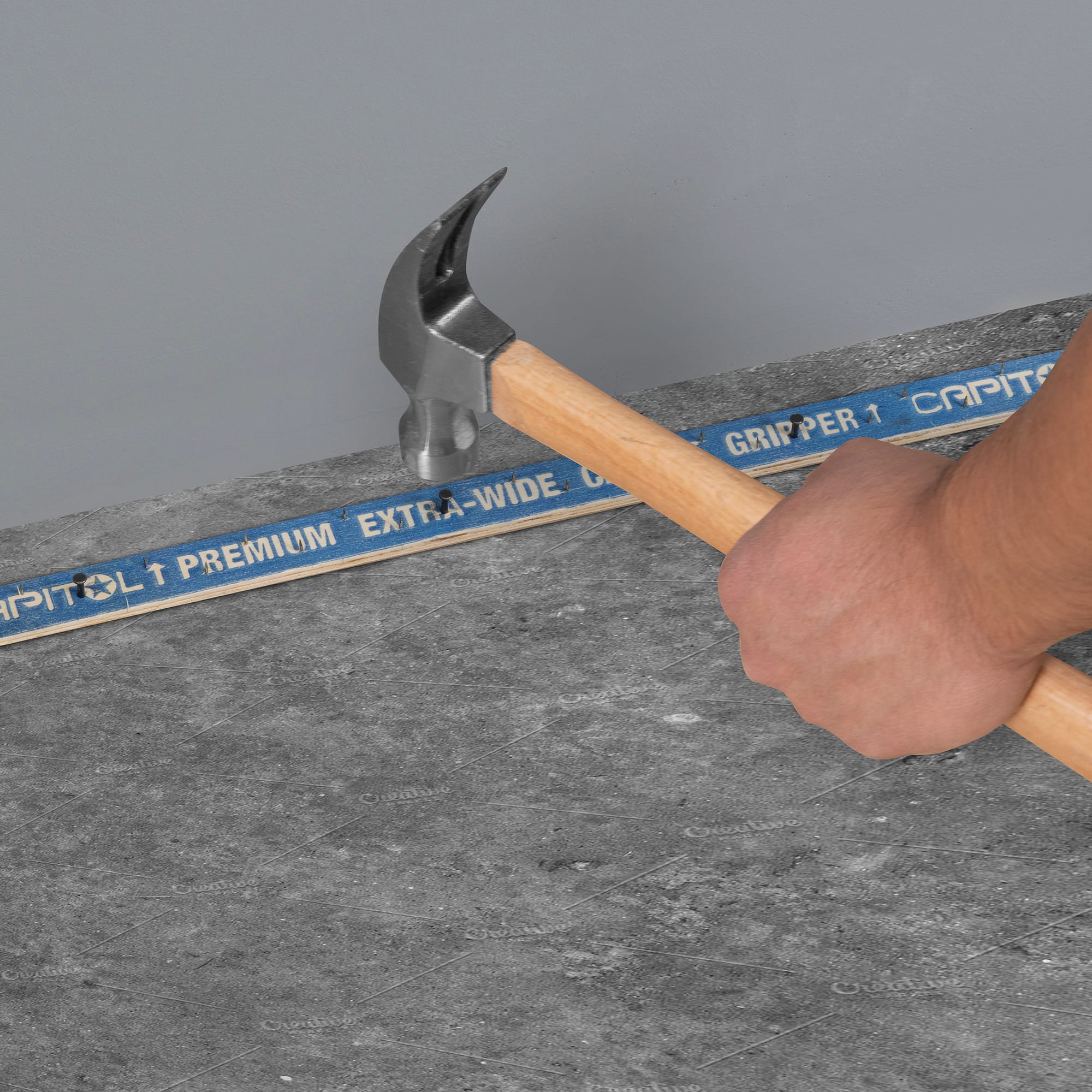
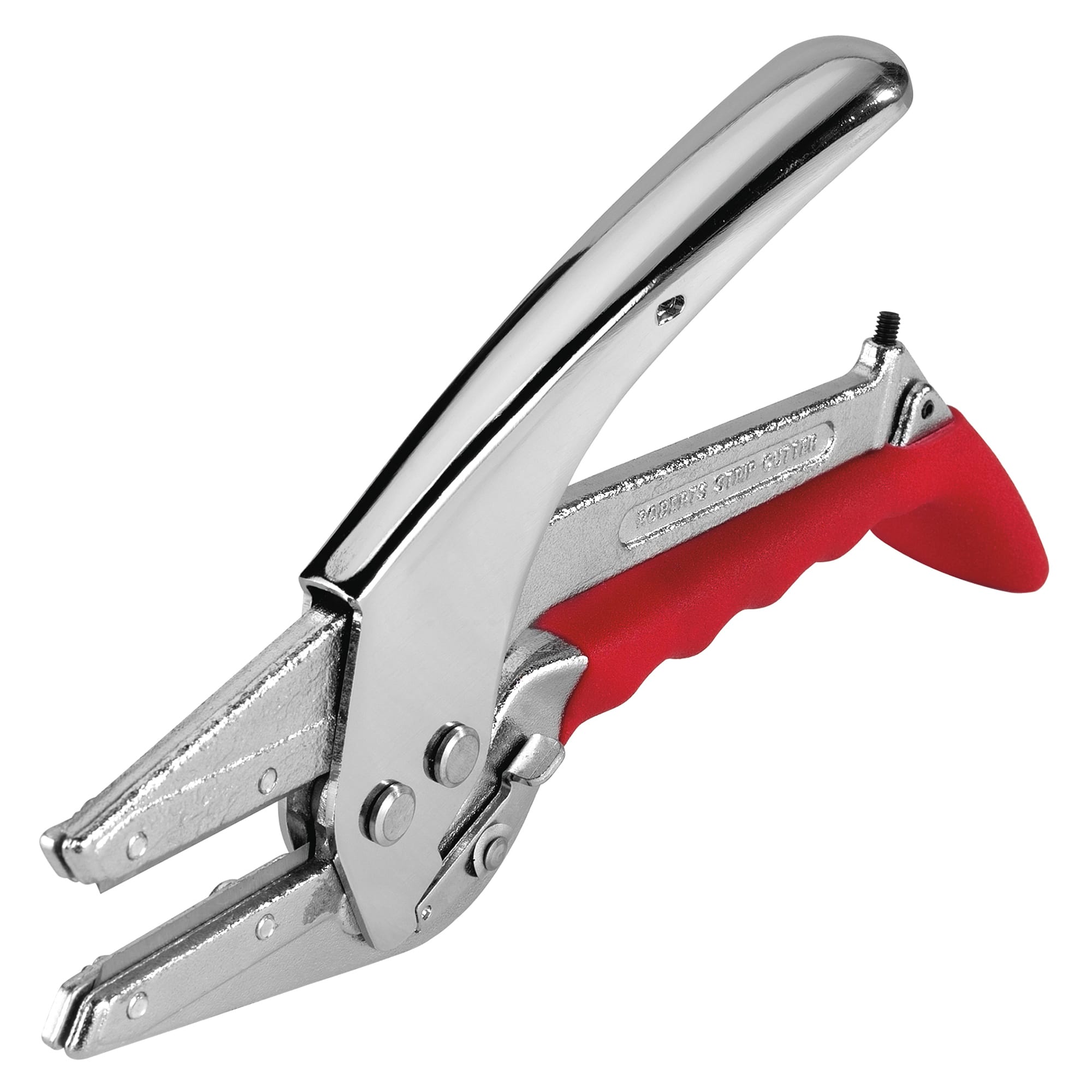
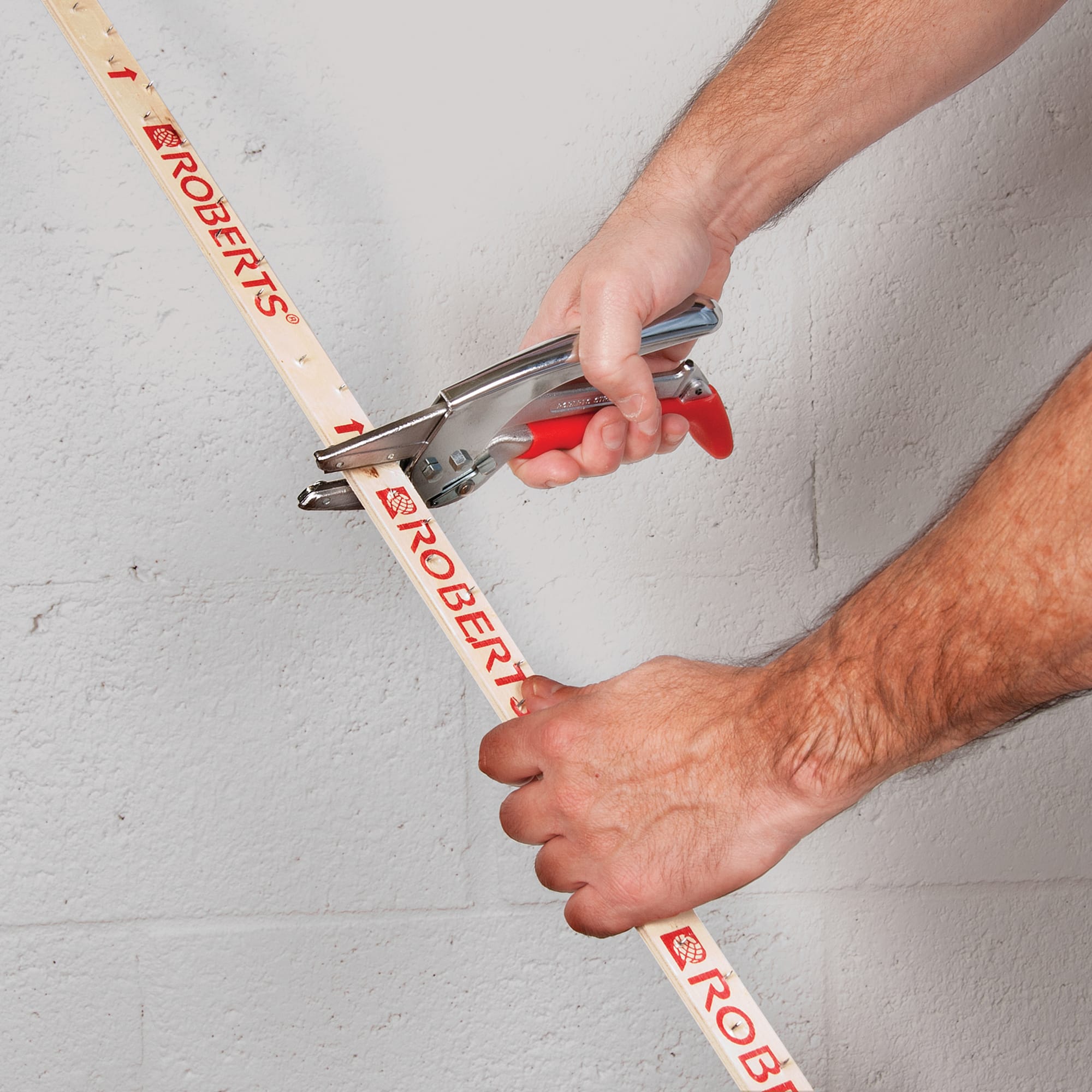
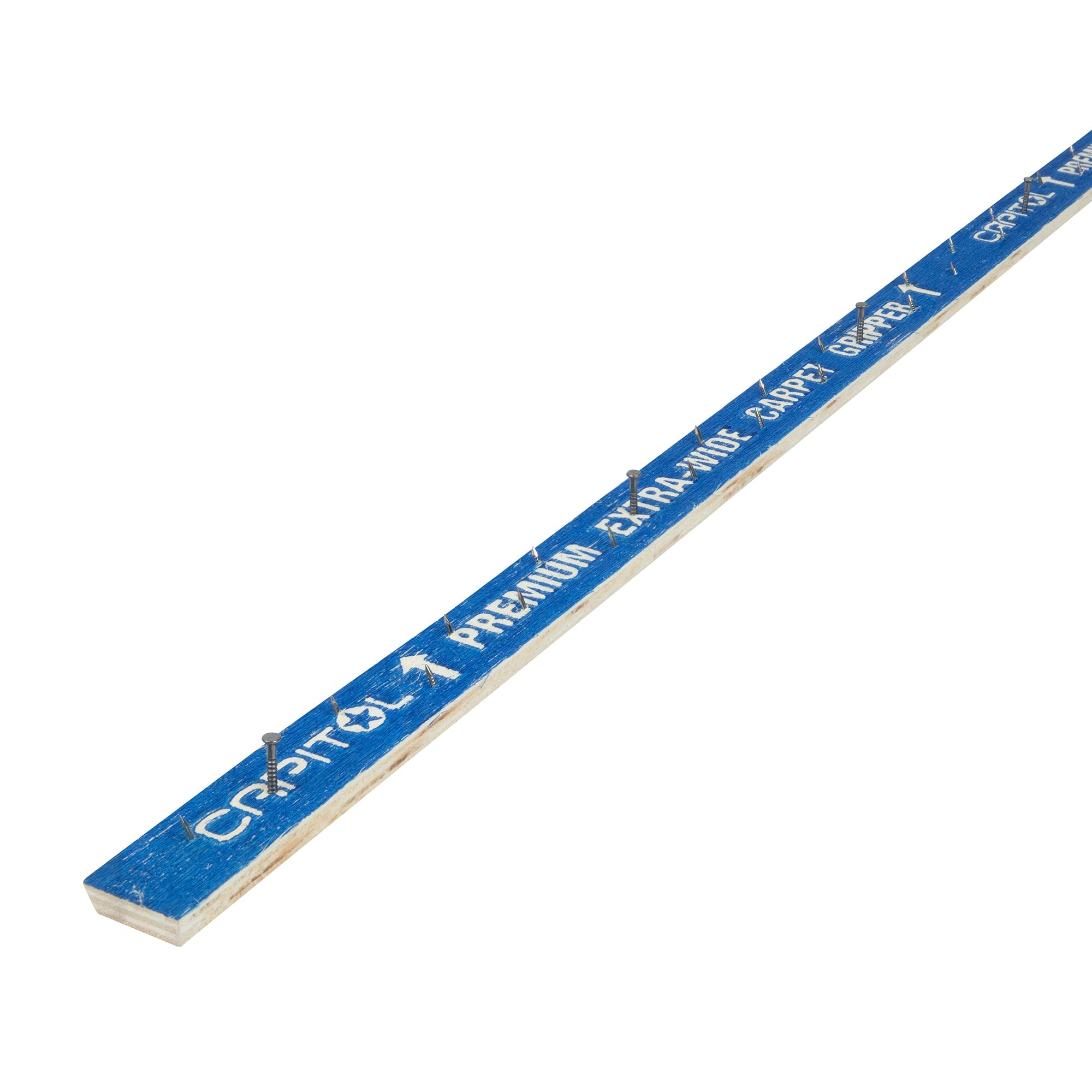
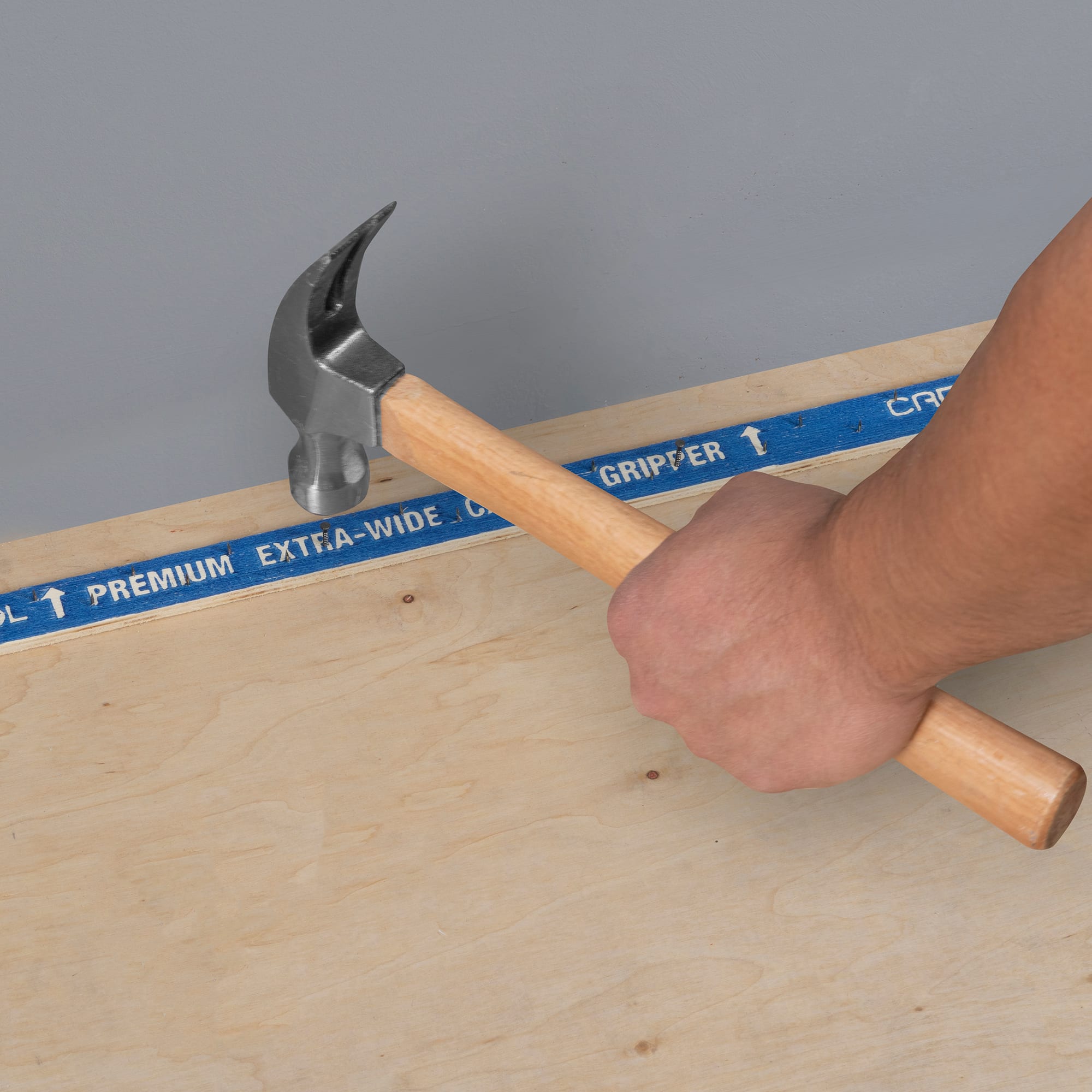
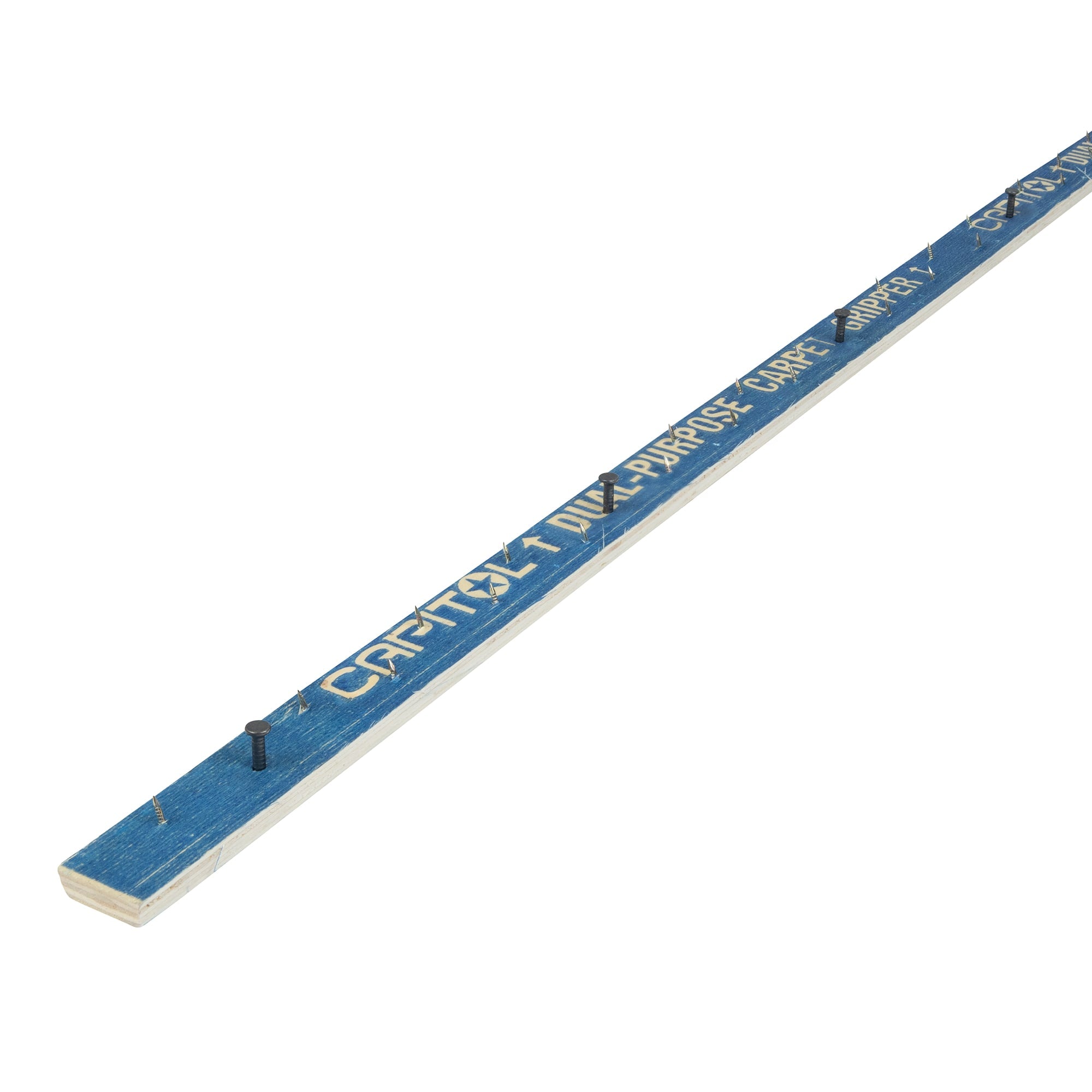
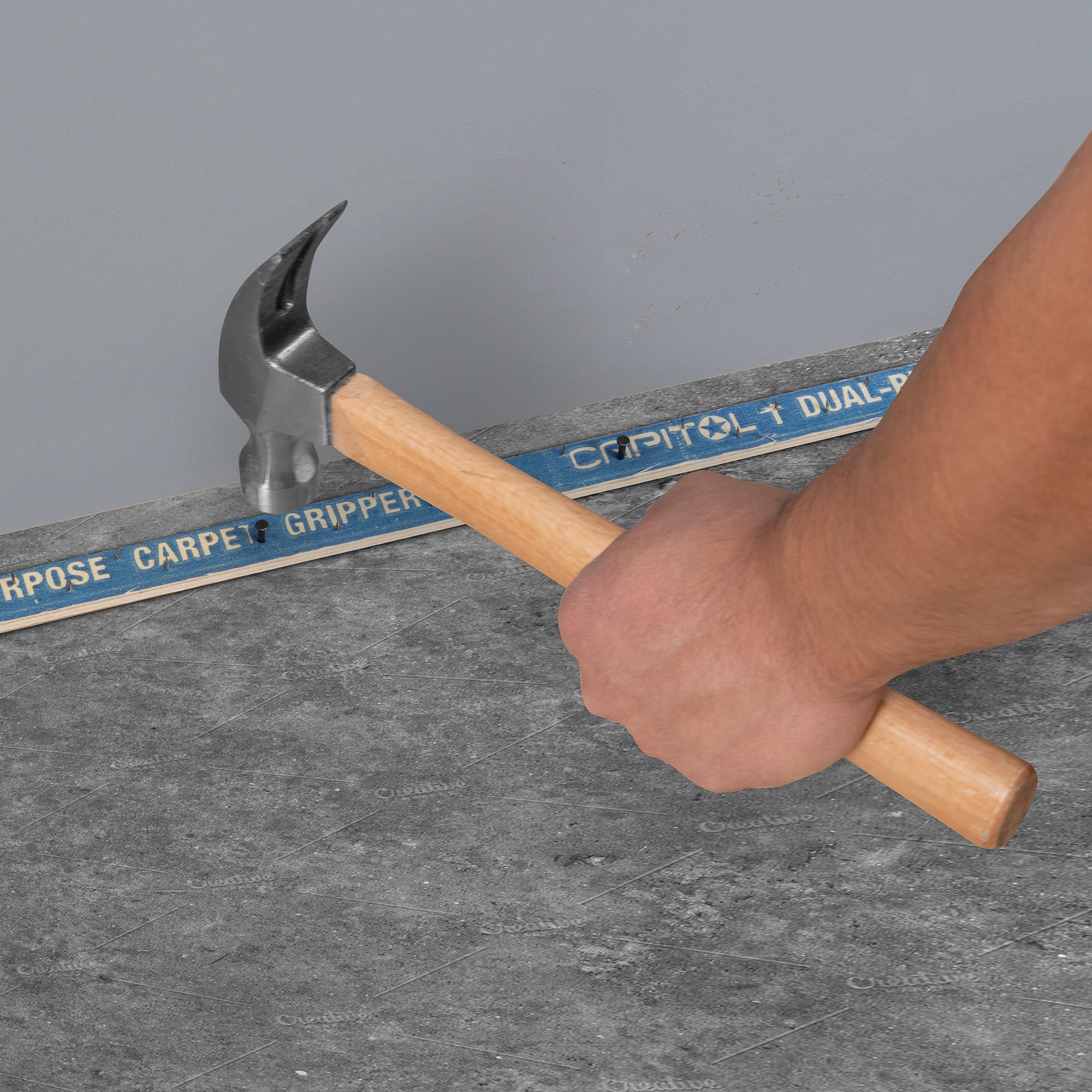
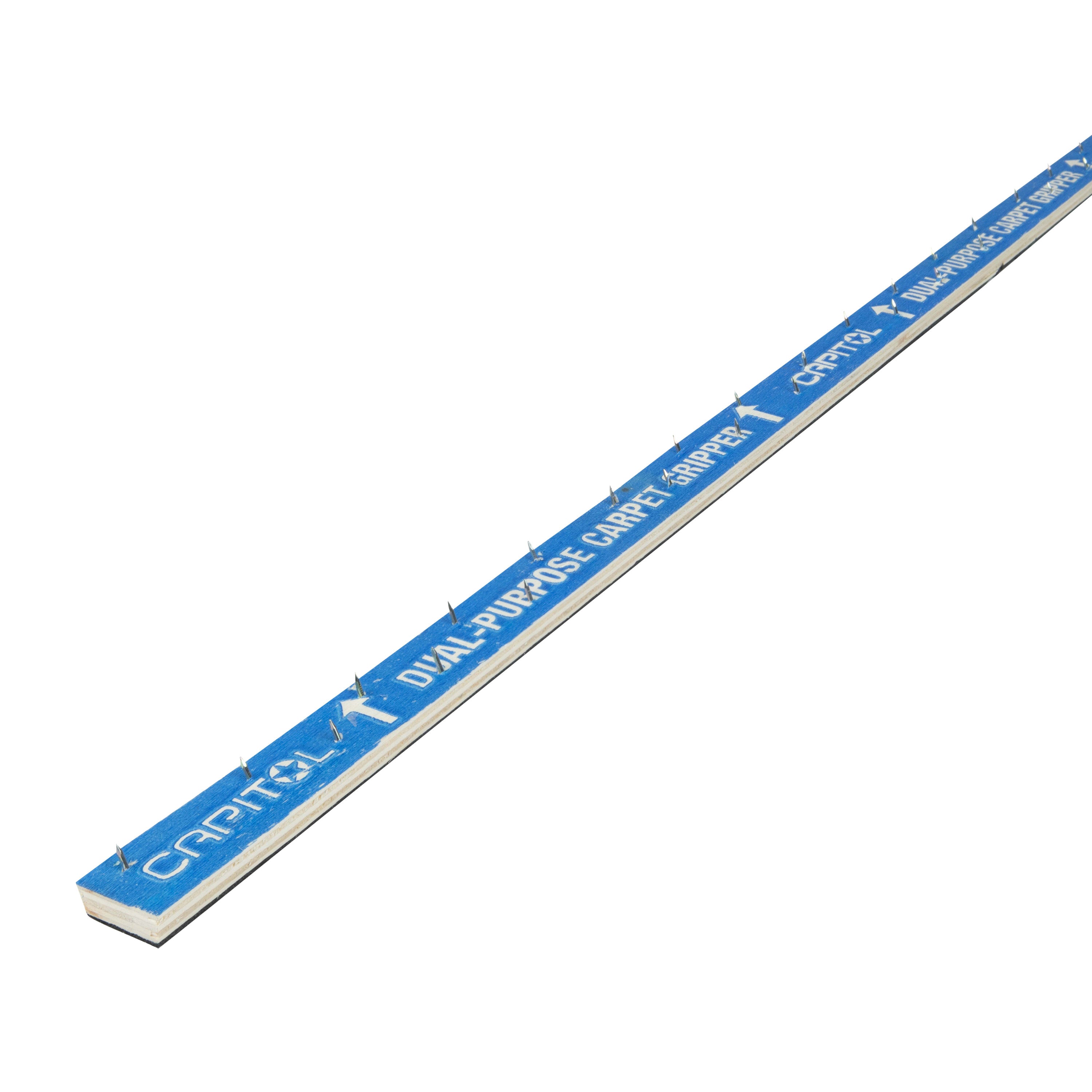
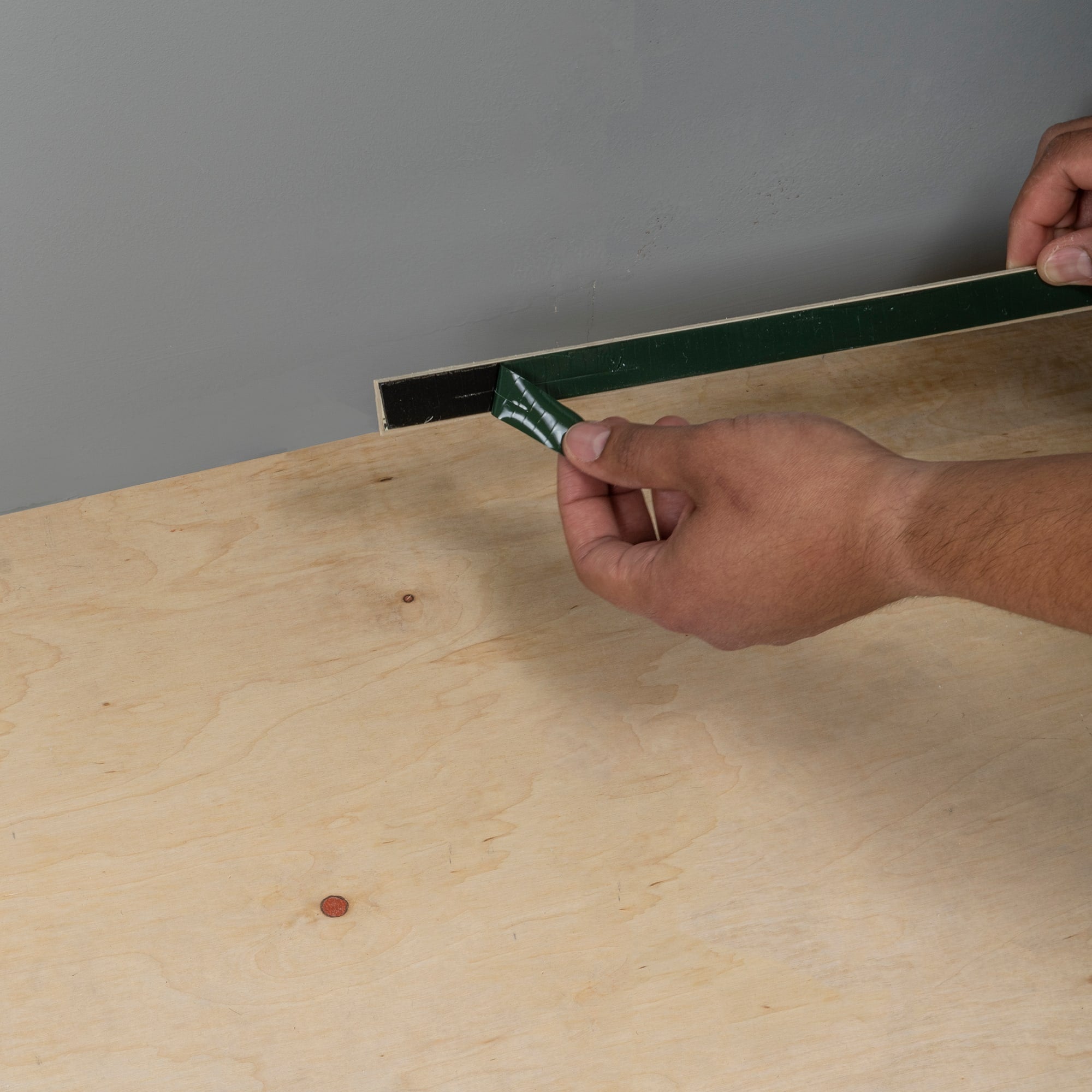
Tira de púas para sujetar y fijar la alfombra tensada alrededor del perímetro de una habitación, lo que ayuda a evitar que se afloje, se ondule o se arrugue.
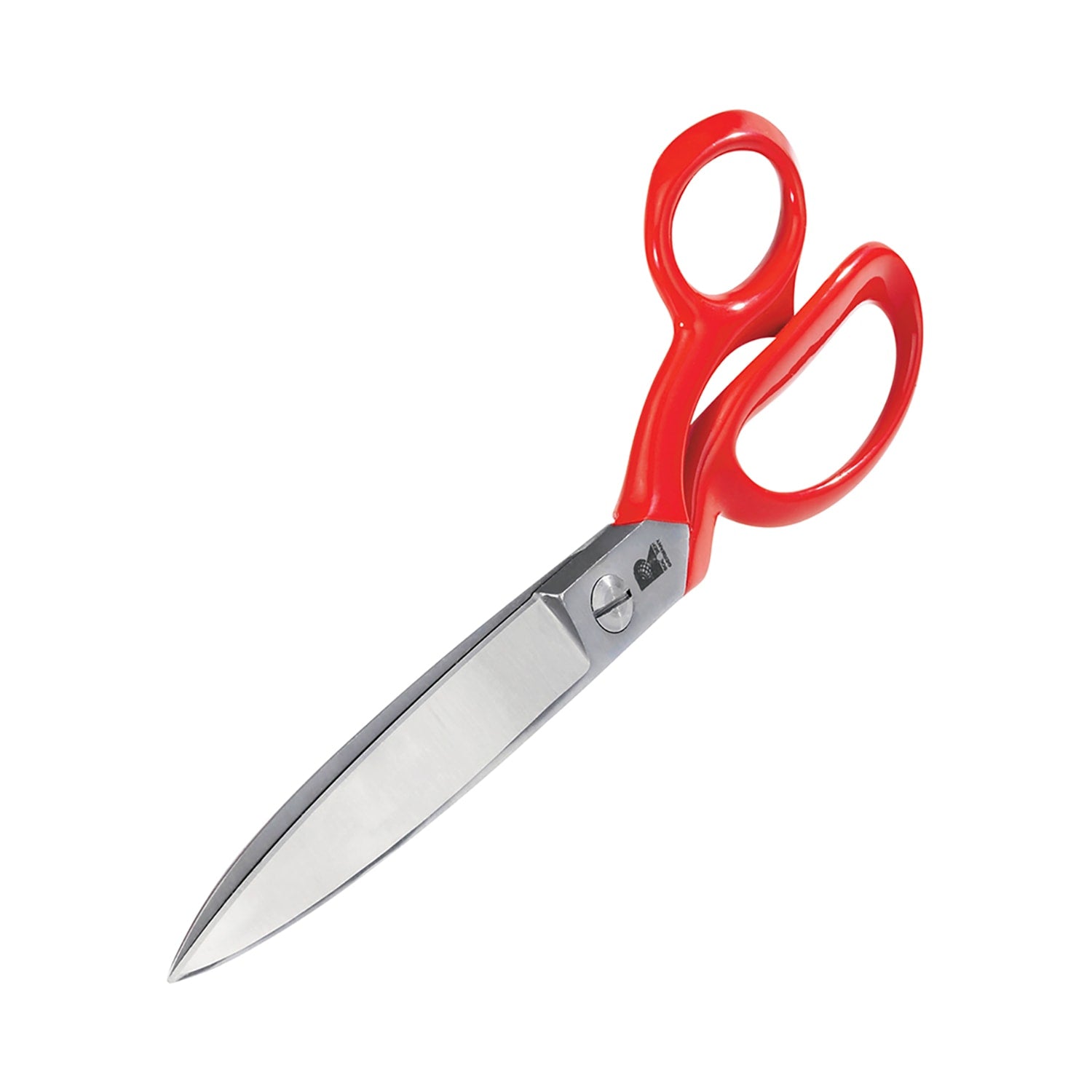
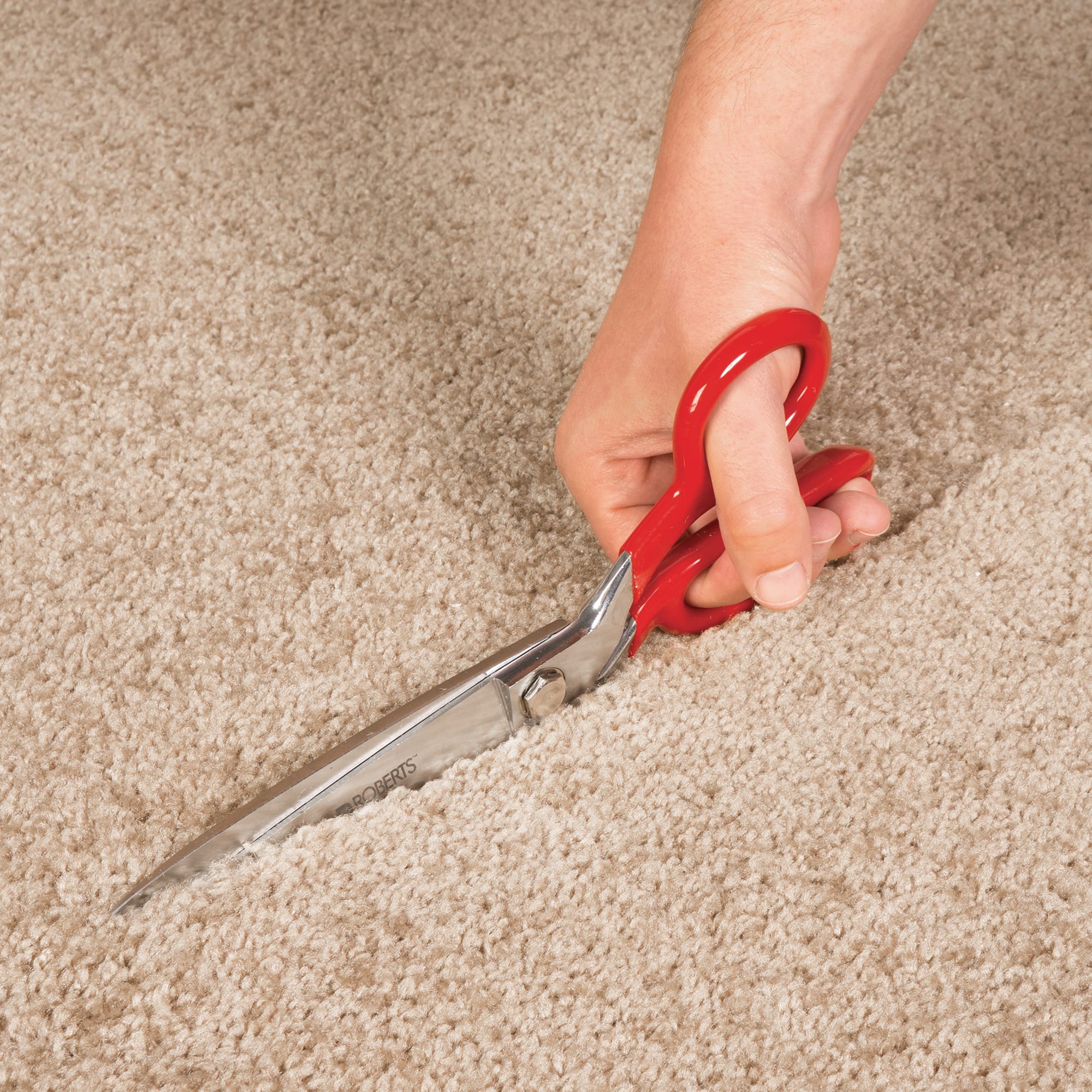
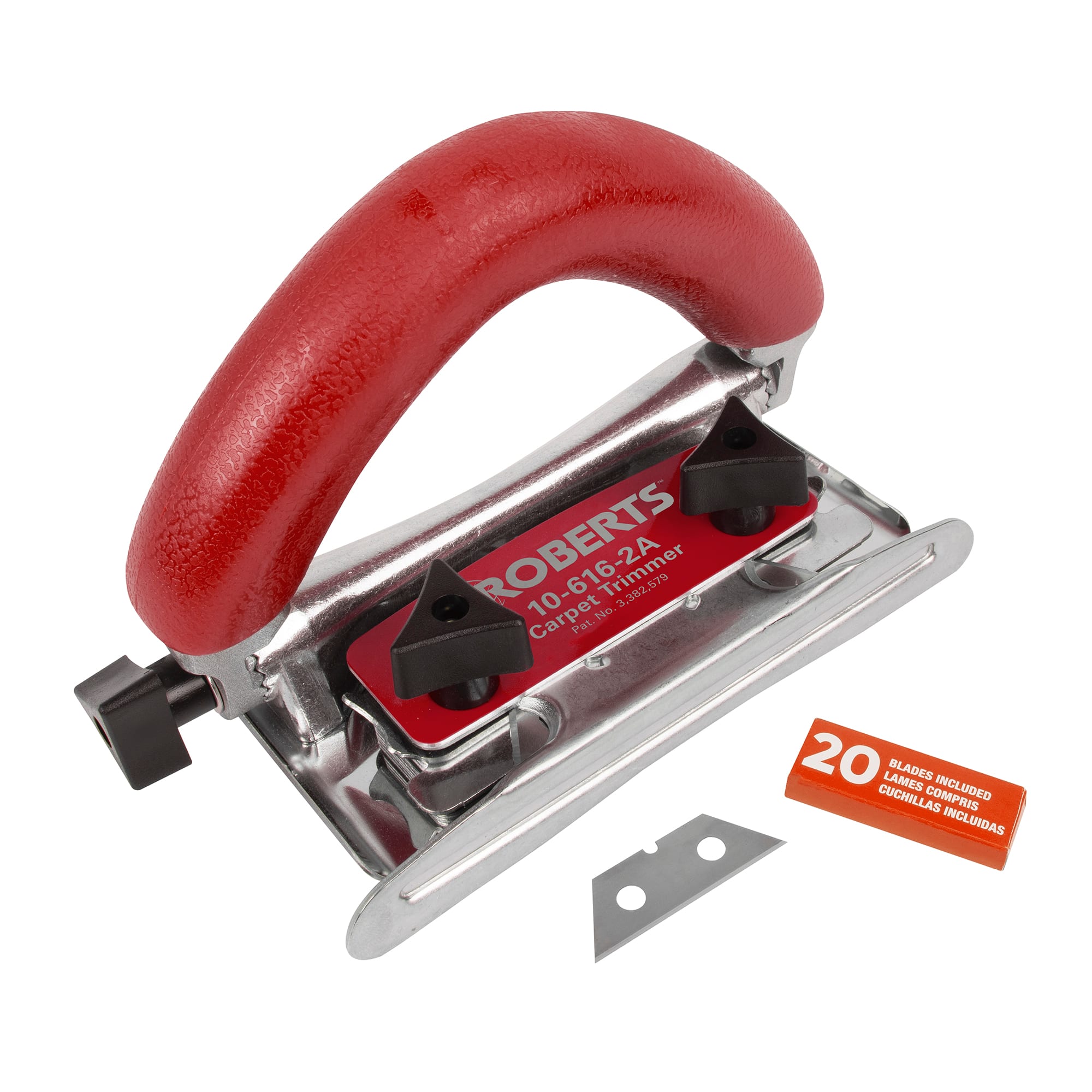
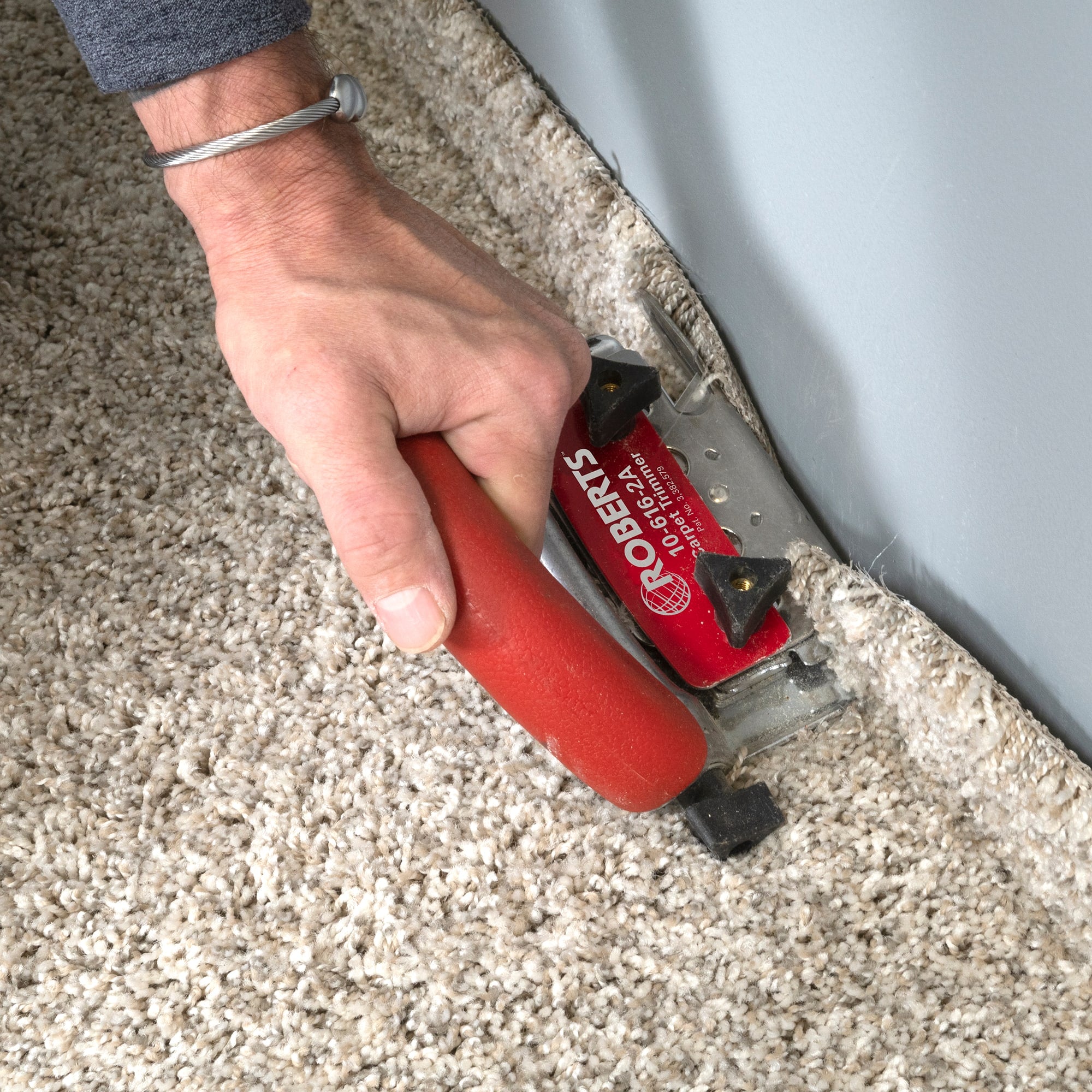
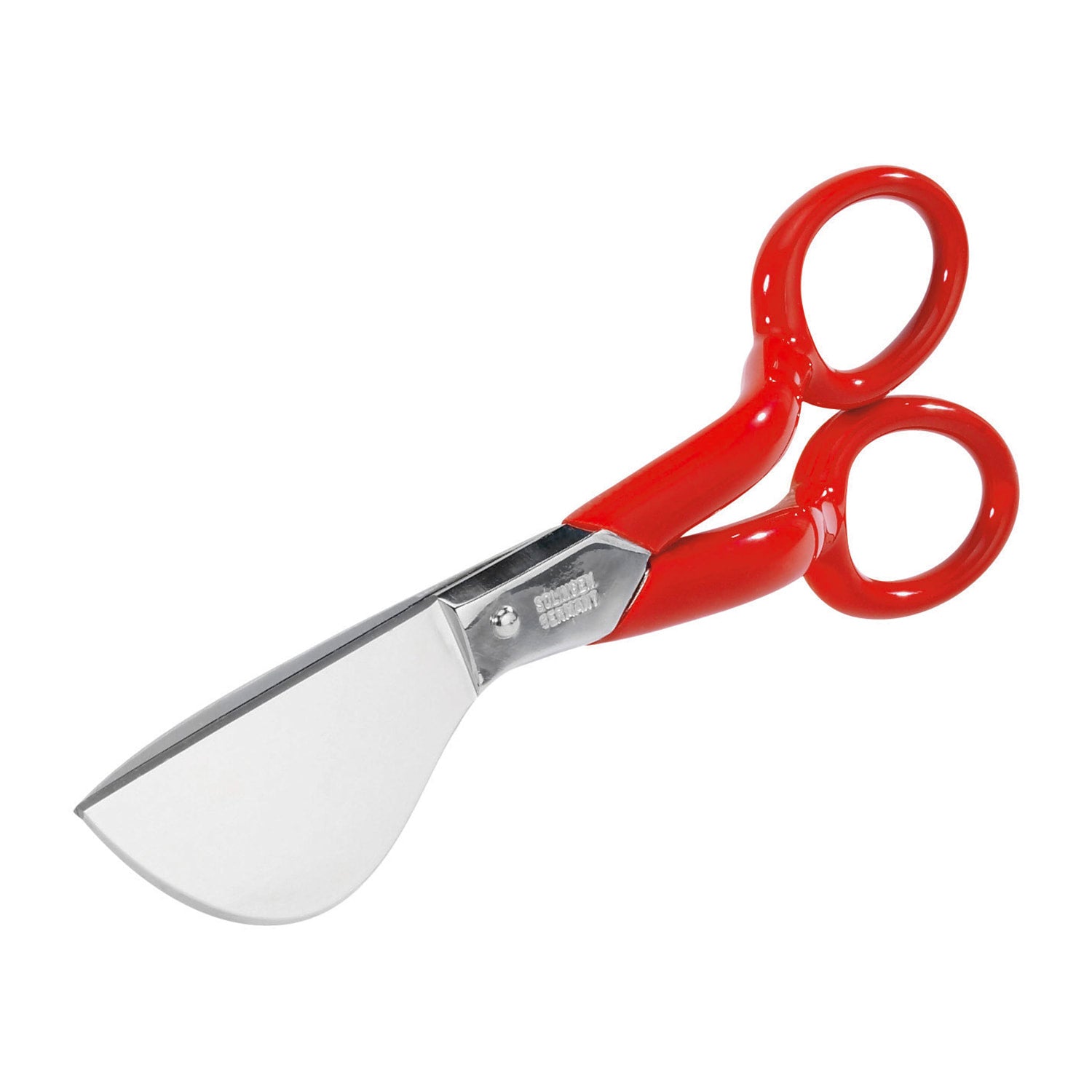
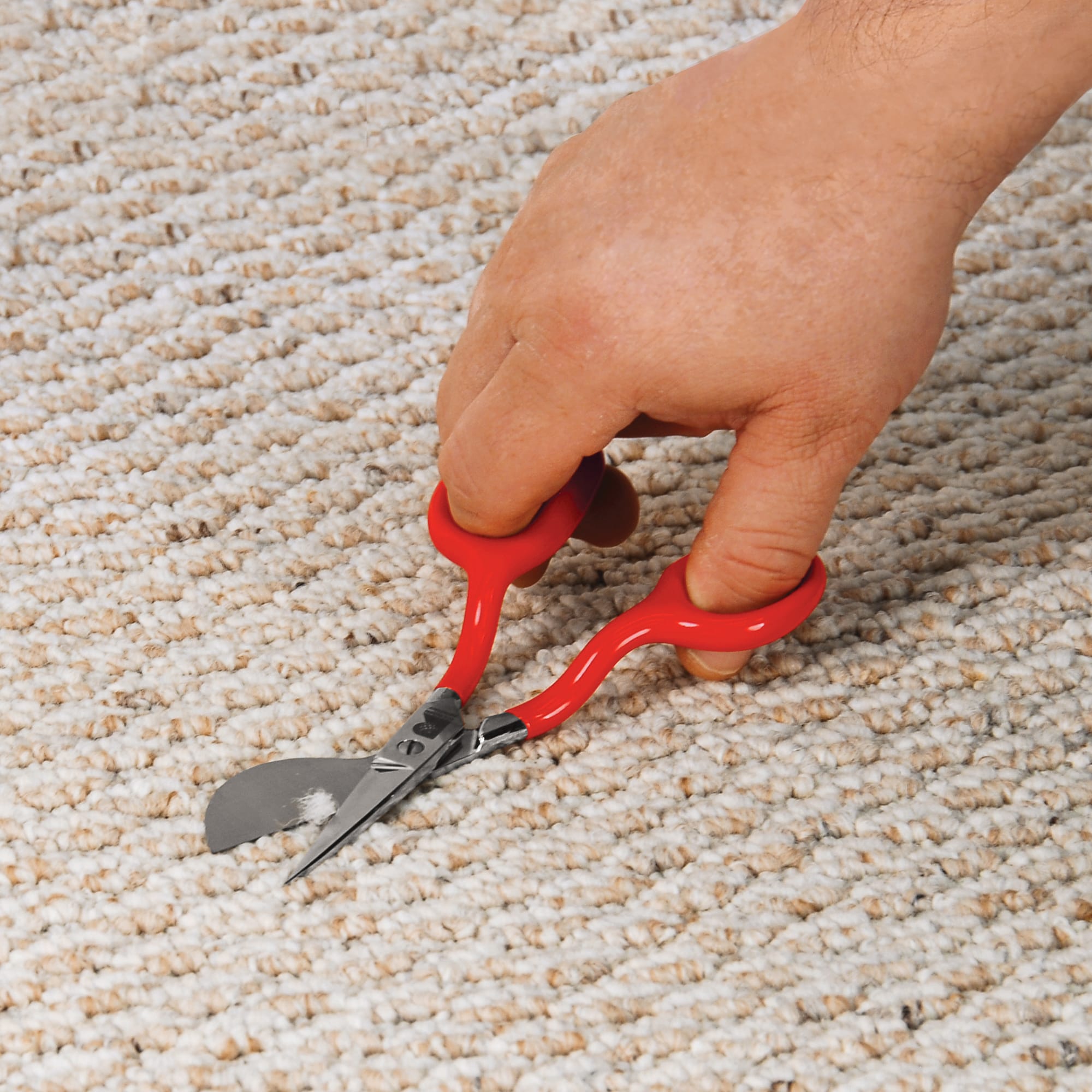
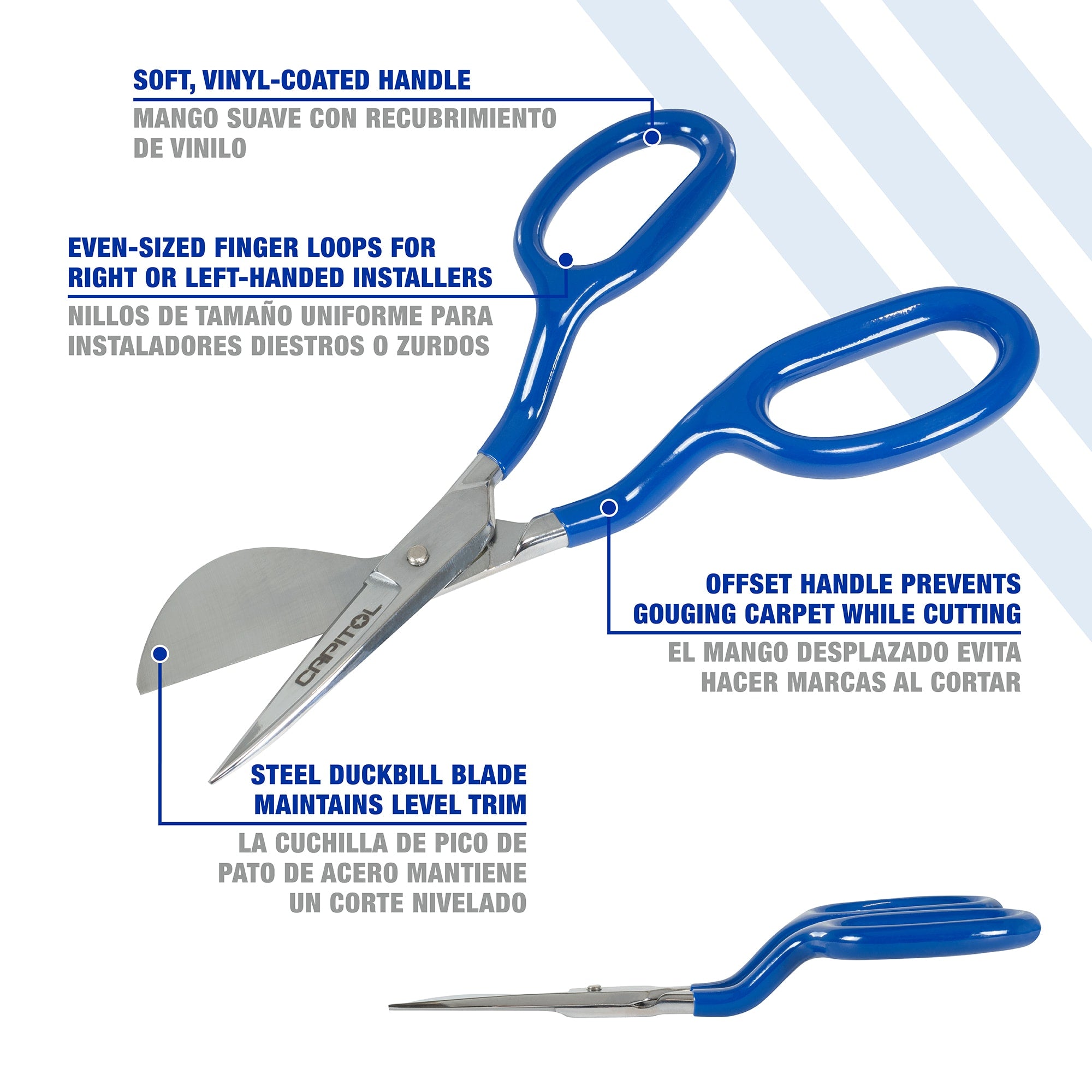
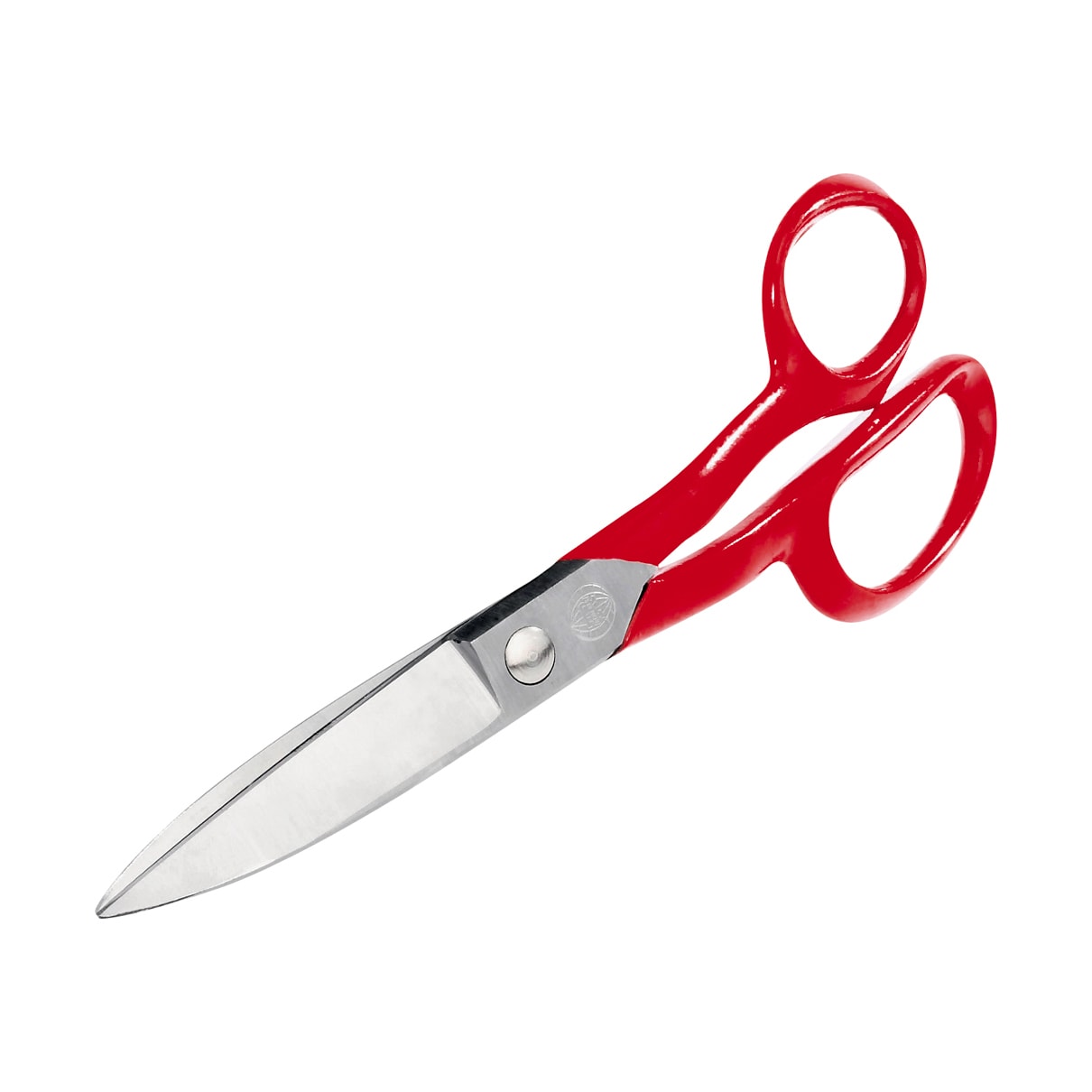
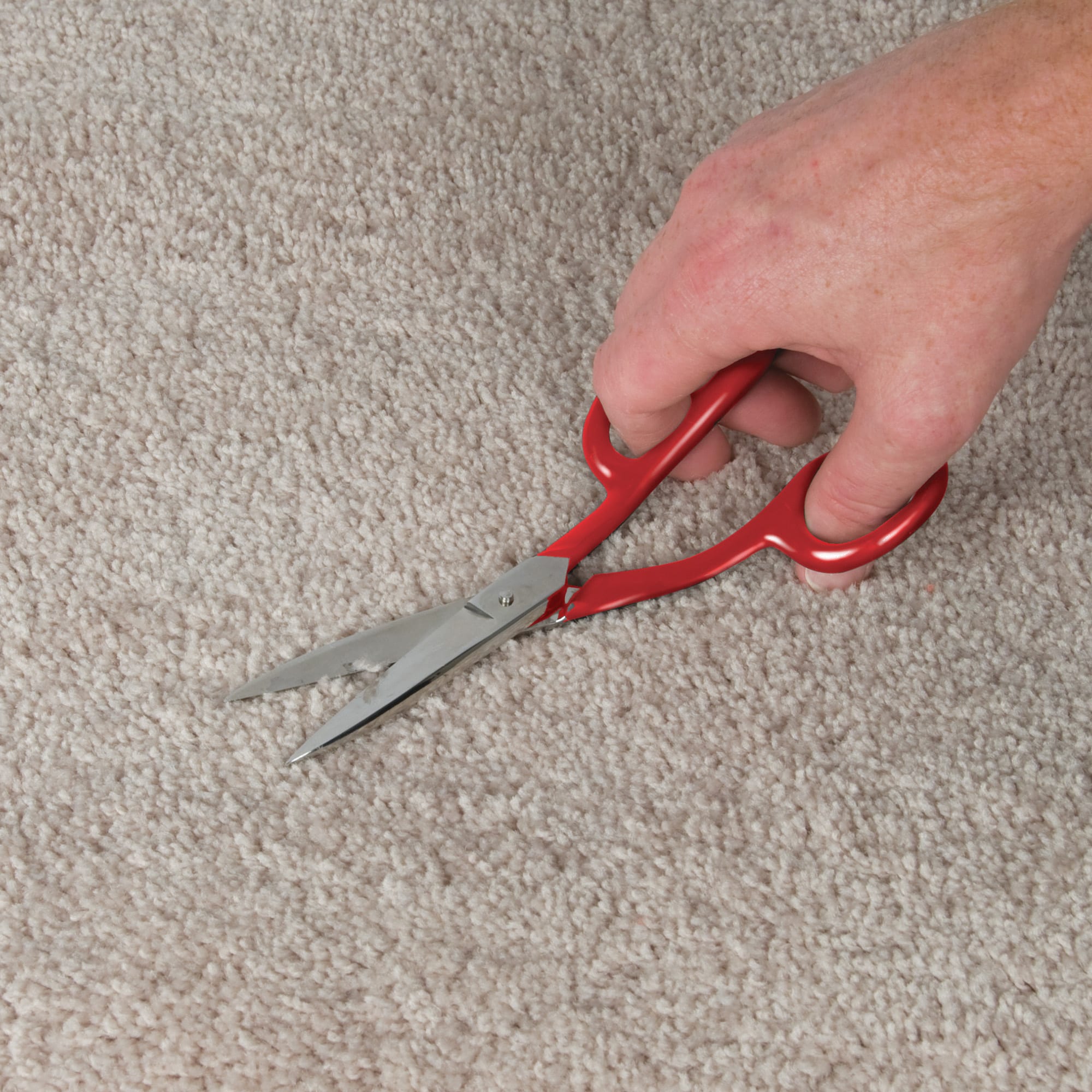
Refinadores y tijeras para recortar y arreglar la alfombra. Los refinadores ofrecen la velocidad y la precisión que necesita para realizar cortes rectos y al ras a lo largo de las paredes. Las tijeras para alfombras dan un control óptimo en espacios reducidos donde resulta difícil utilizar cuchillas, como en los umbrales de las puertas y en las escaleras. Además, las tijeras para rasurar, también conocidas como tijeras pico de pato, tienen un diseño exclusivo con una base ancha y plana (el “pico de pato”) y un mango descentrado que permite que se apoyen completamente en horizontal sobre la alfombra, y actúen como protección para evitar que la cuchilla afilada raye el revestimiento.
