



Crack Isolation
Filters
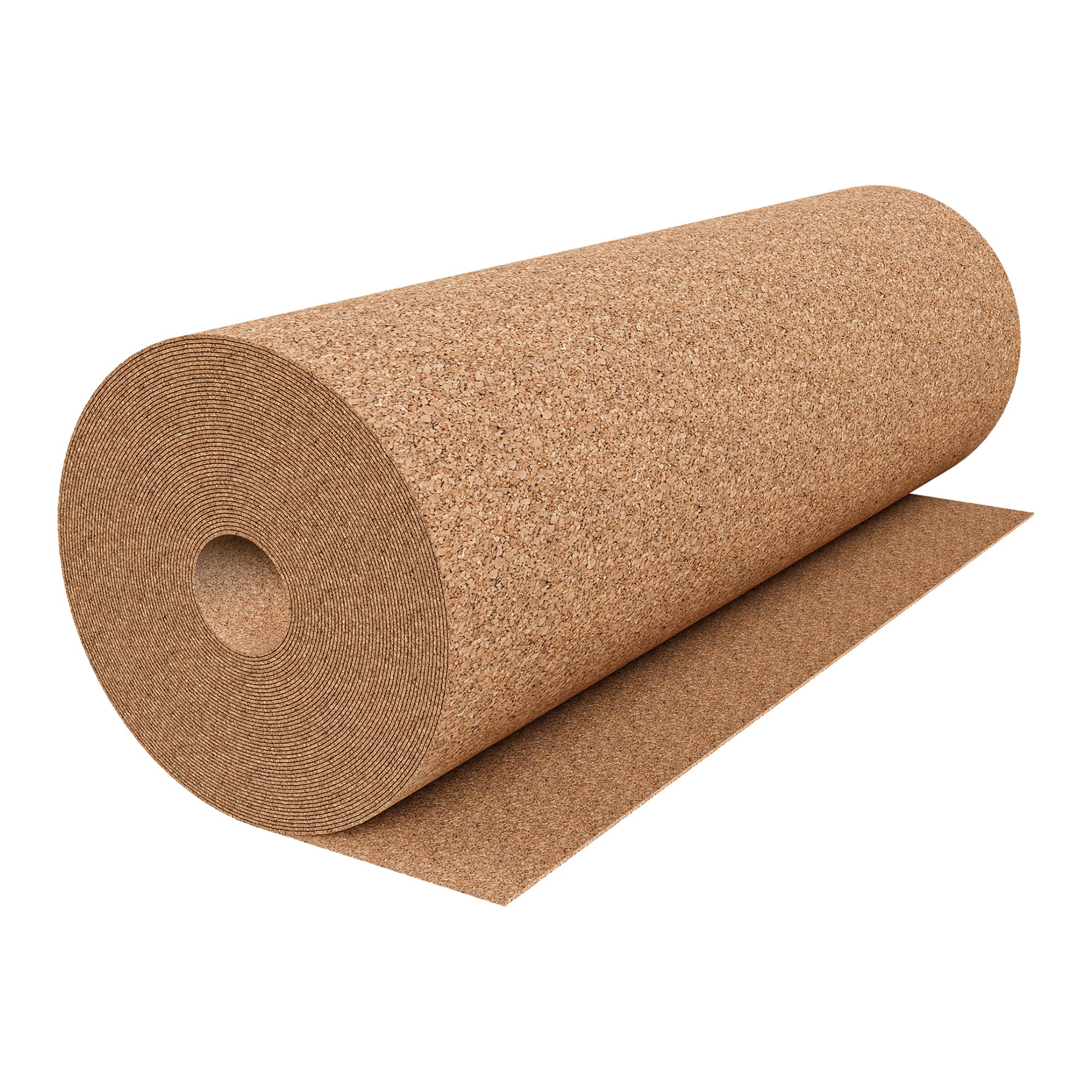
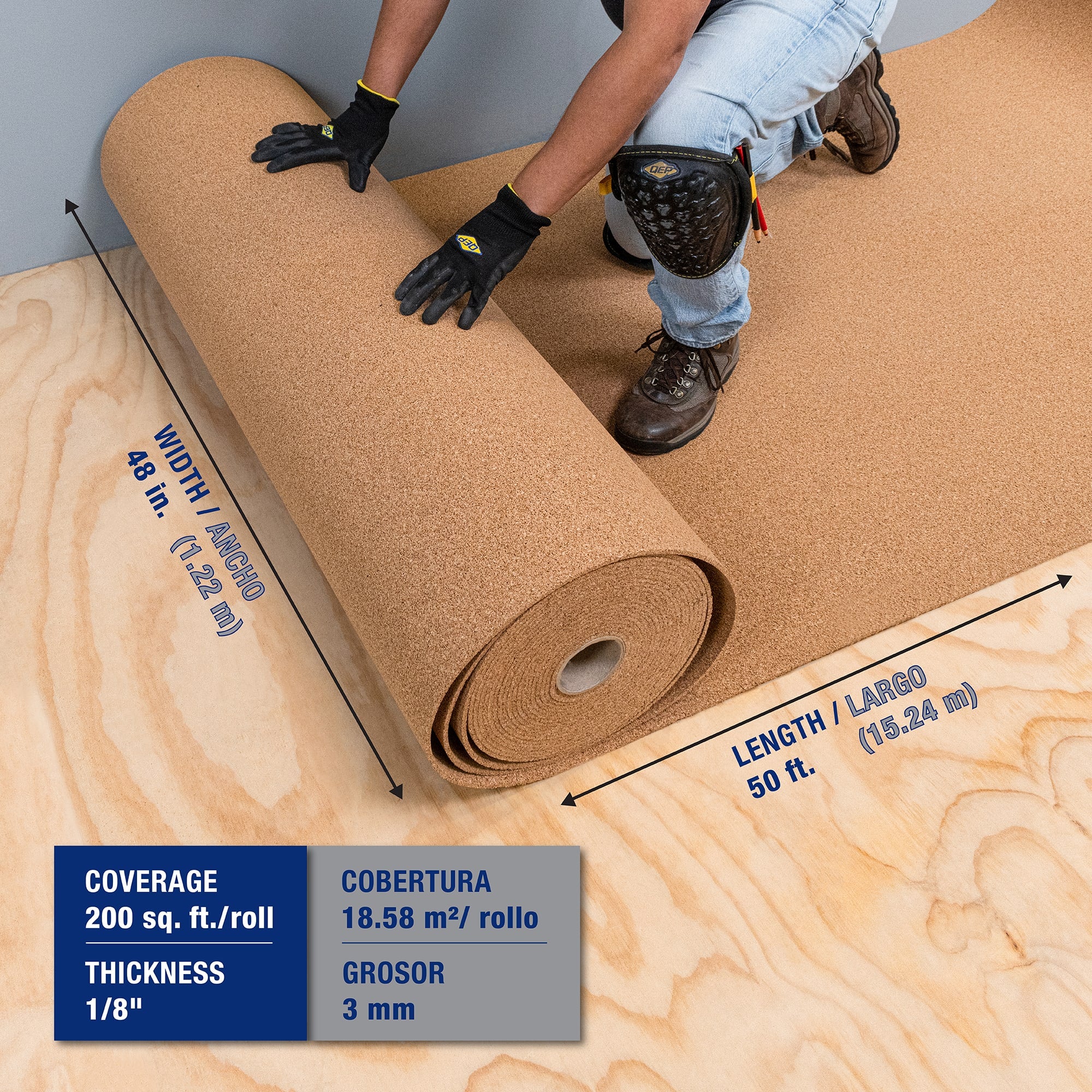
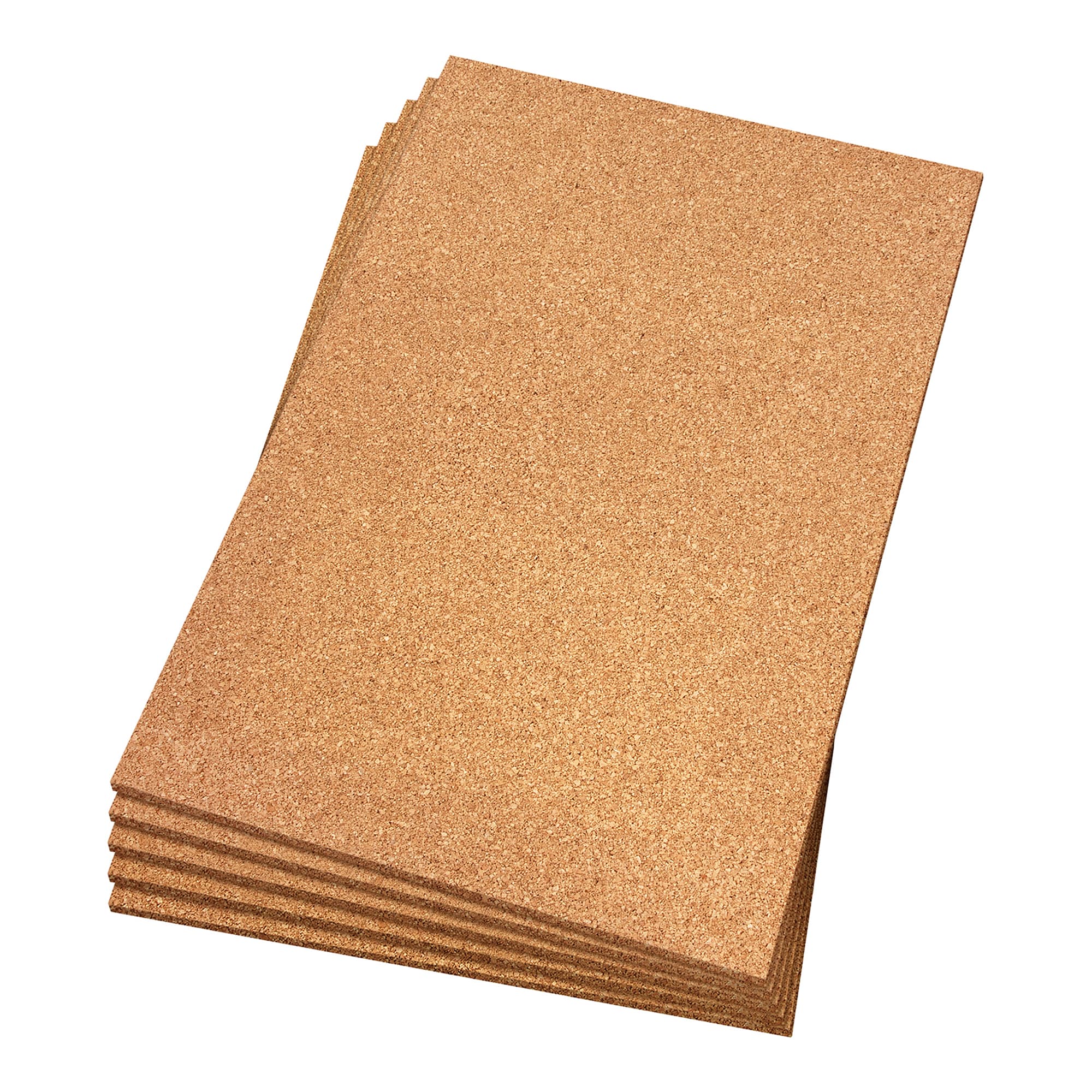

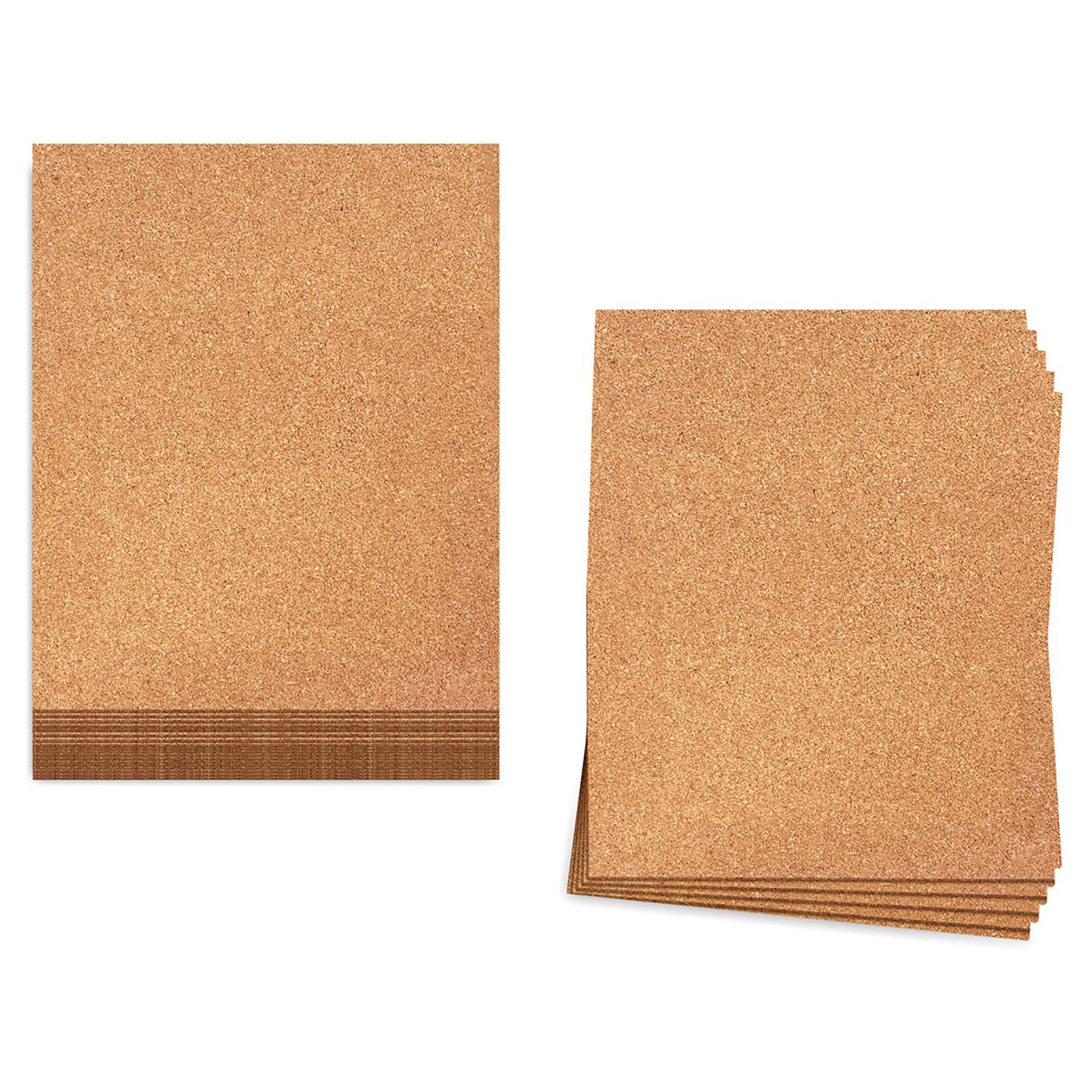
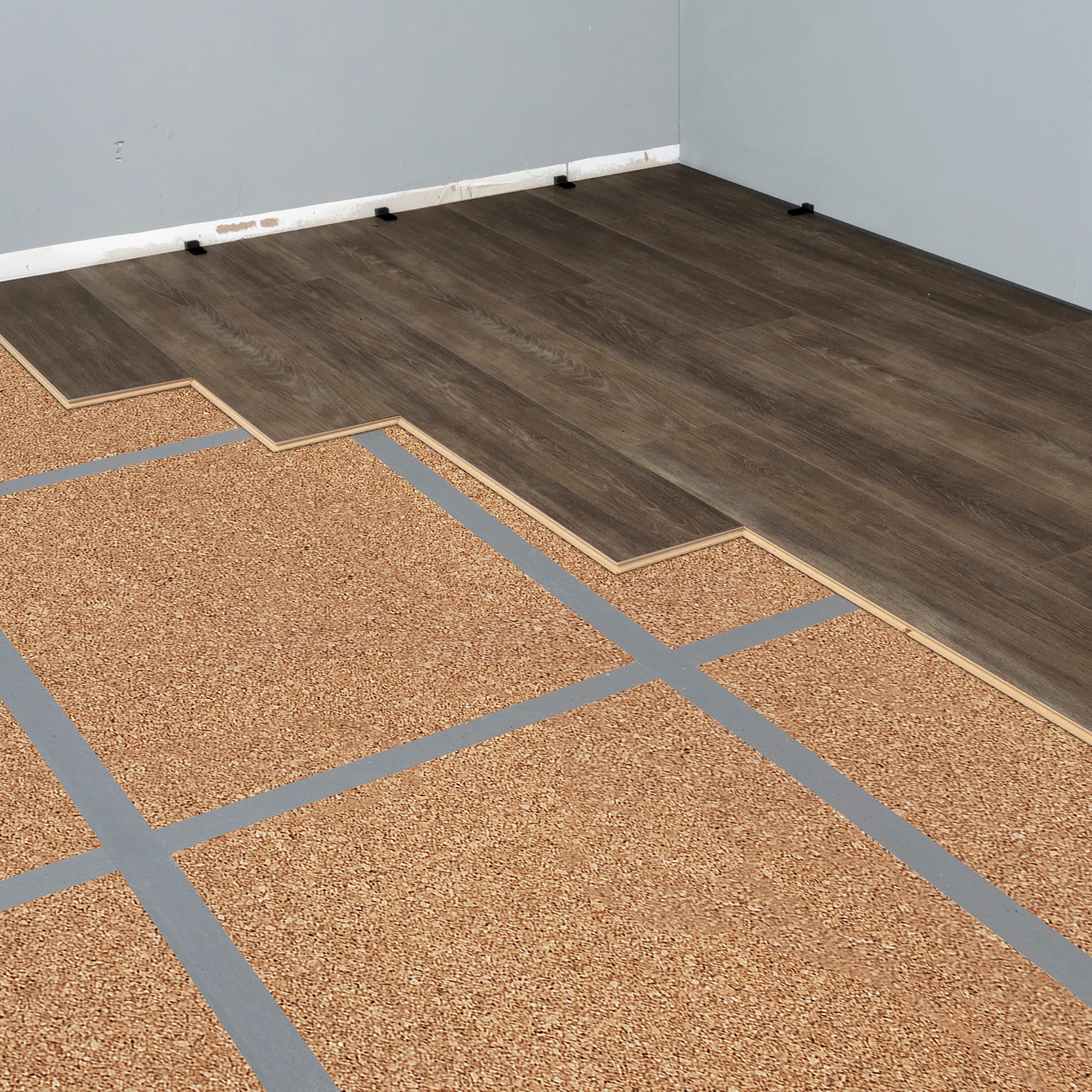
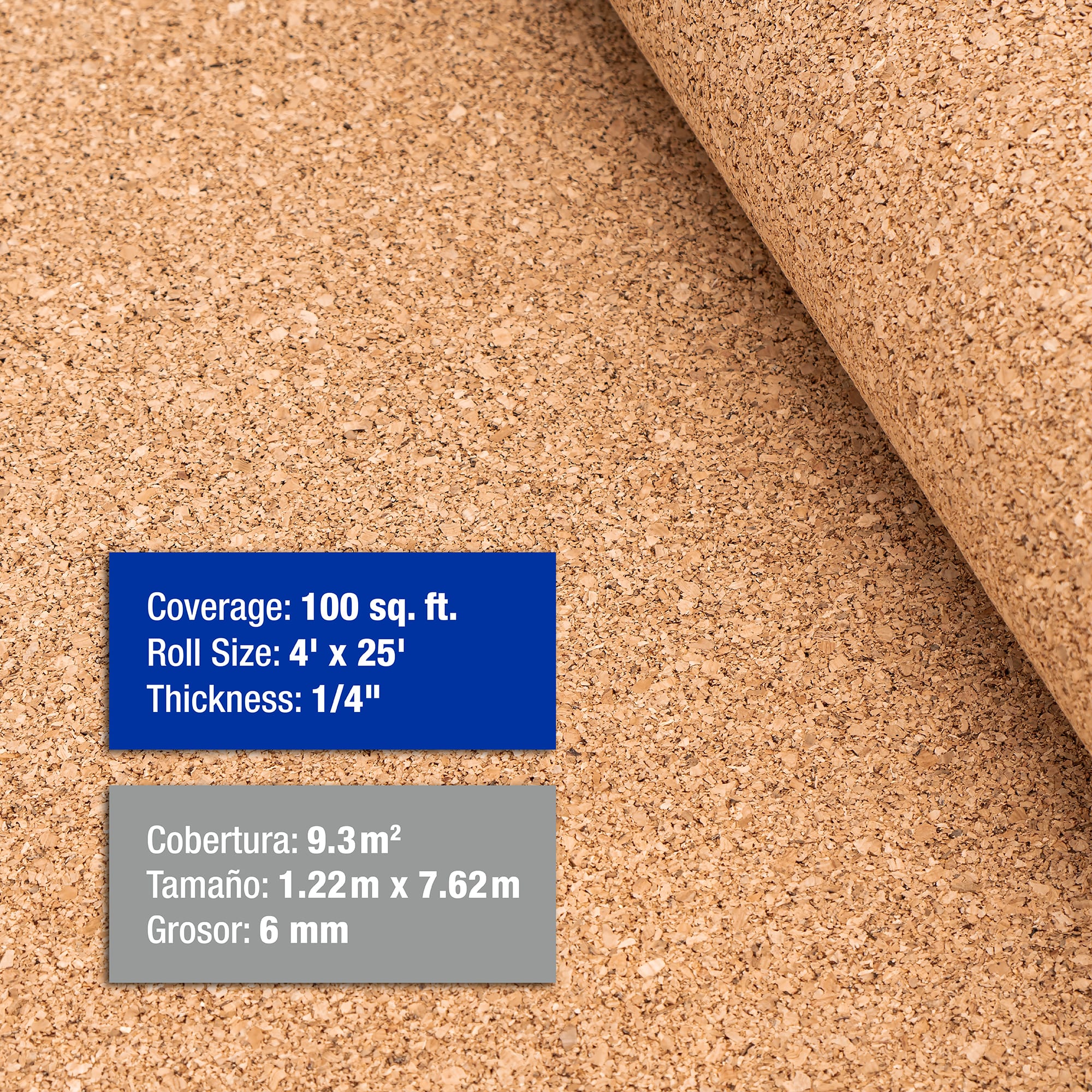
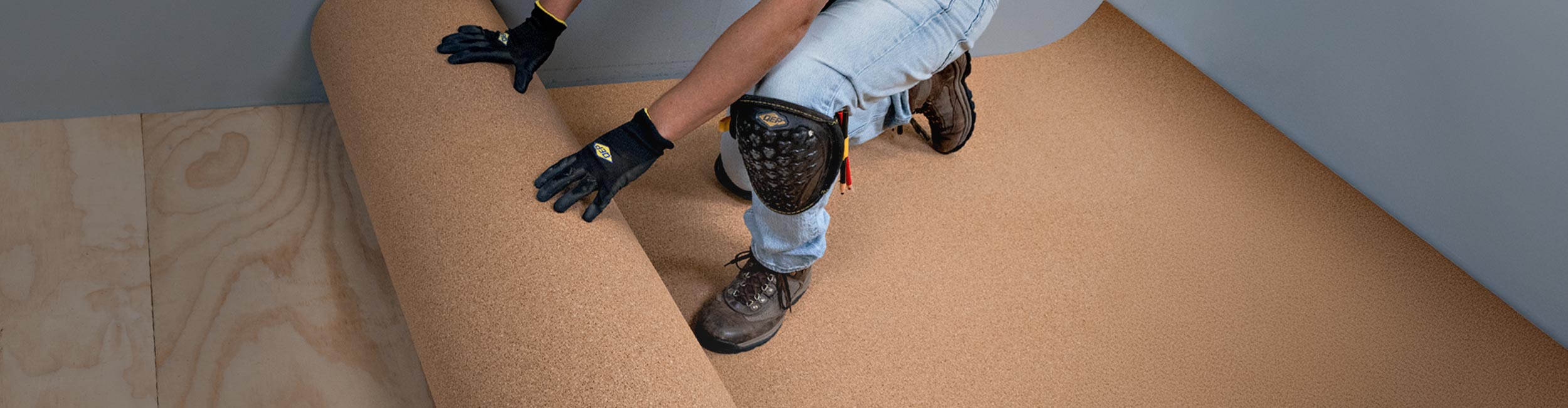
Pro Tip: Choose a cork underlayment. They are a great choice to help eliminate cracks in the substrate from transferring through to ceramic or natural stone finished flooring materials.
Cork is an excellent crack isolation material for flooring installations because its natural, honeycomb cellular structure acts as a flexible, shock-absorbing membrane. It allows the subfloor—such as concrete—to expand and contract naturally without transferring that stress, which prevents cracks in rigid materials like tile, stone, and hardwood.
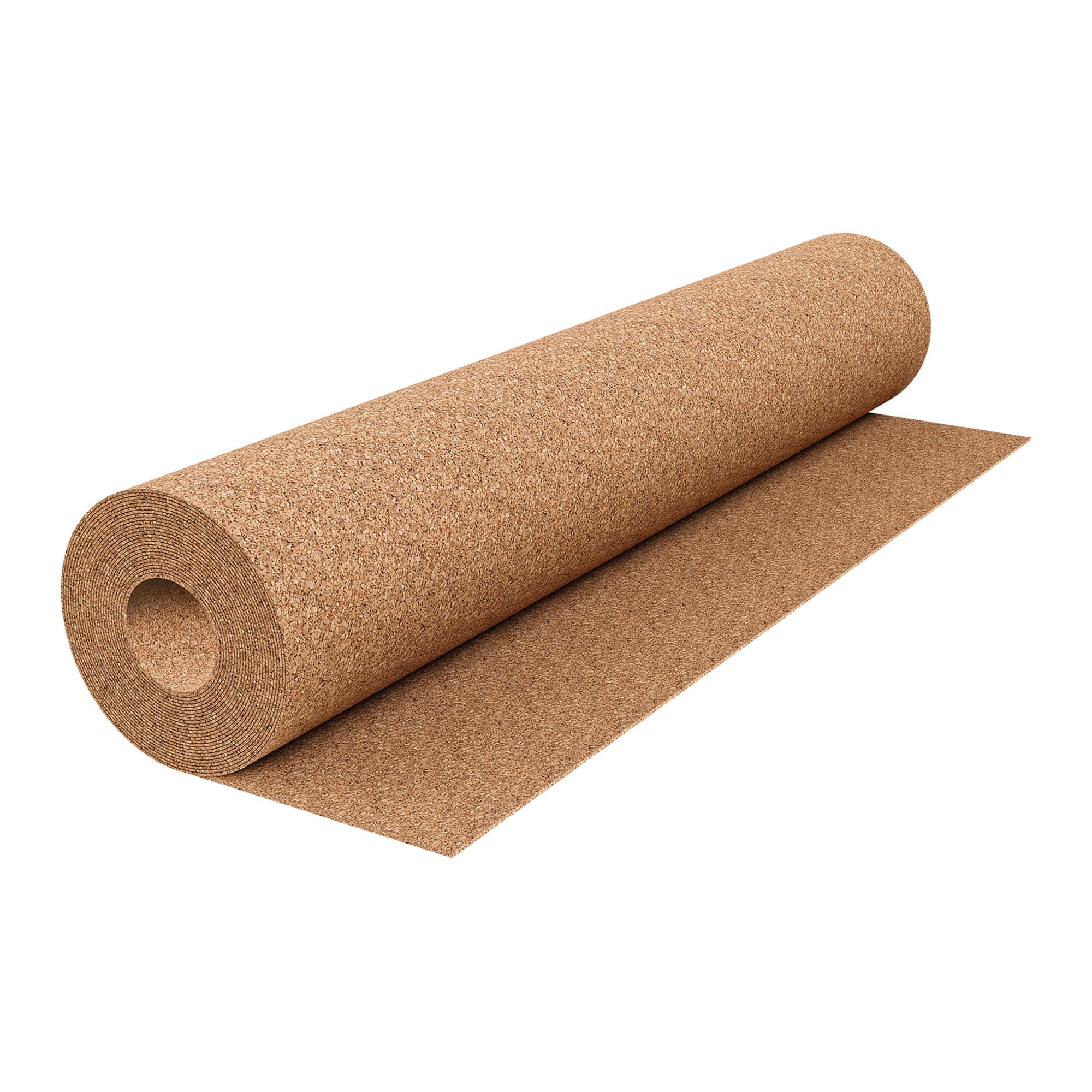
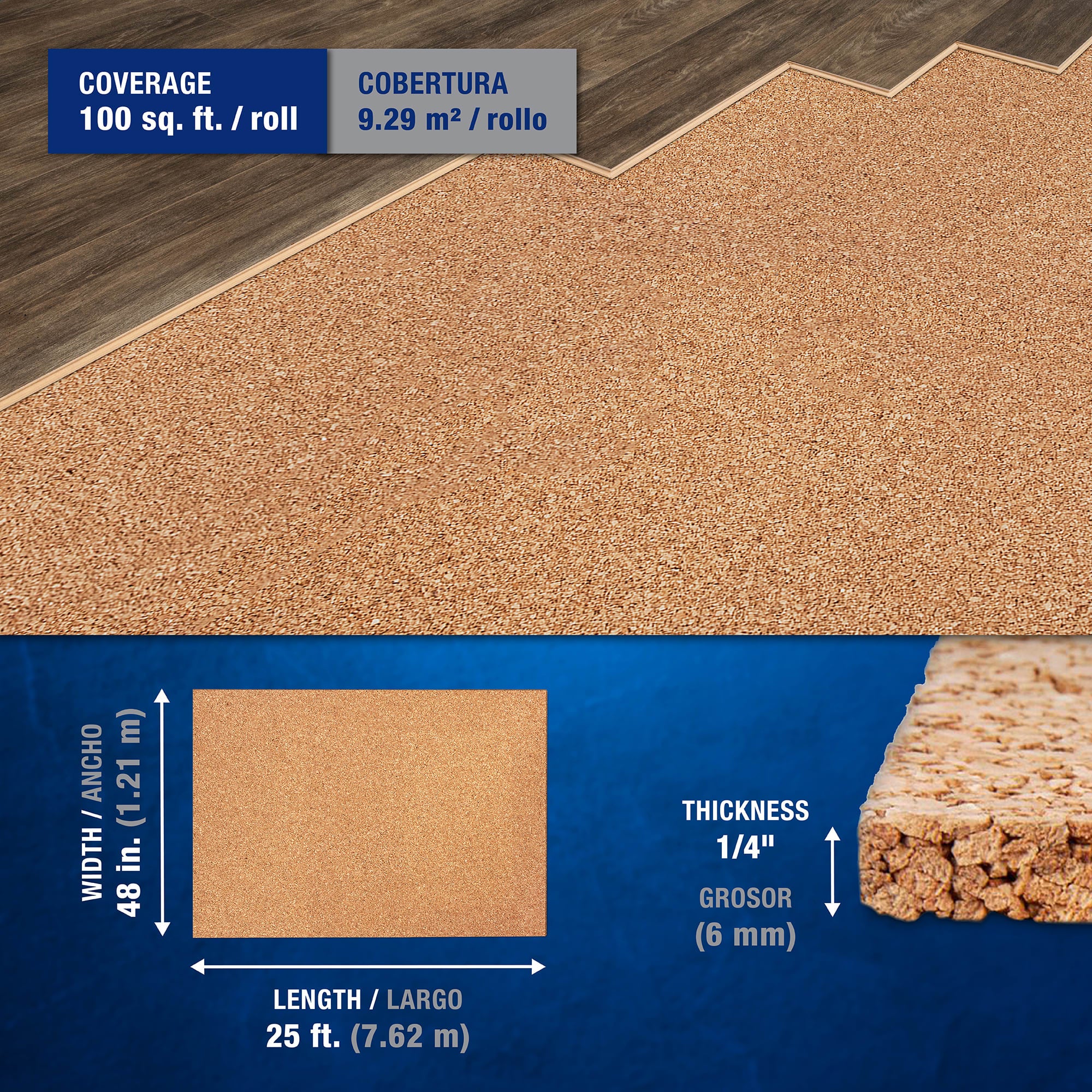
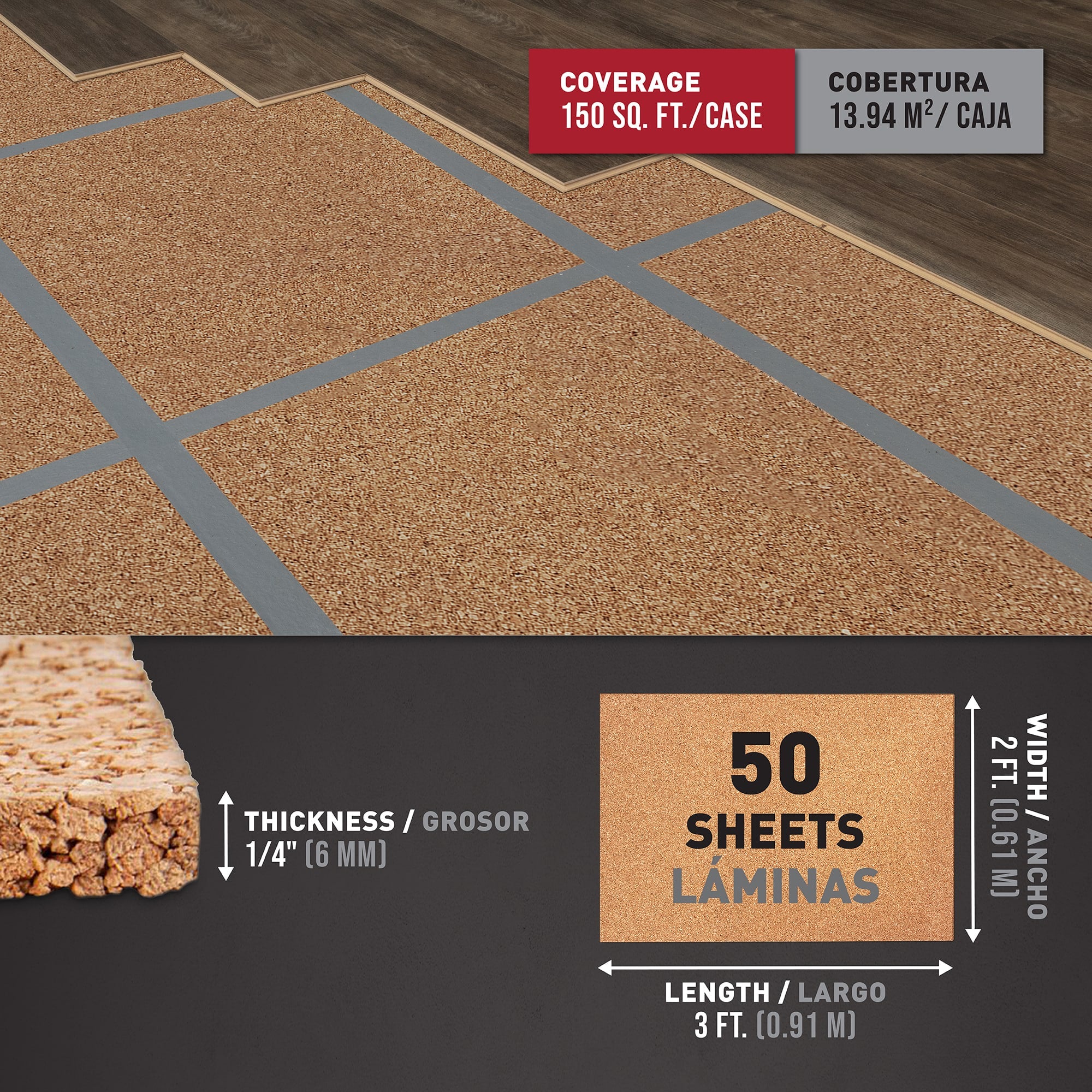
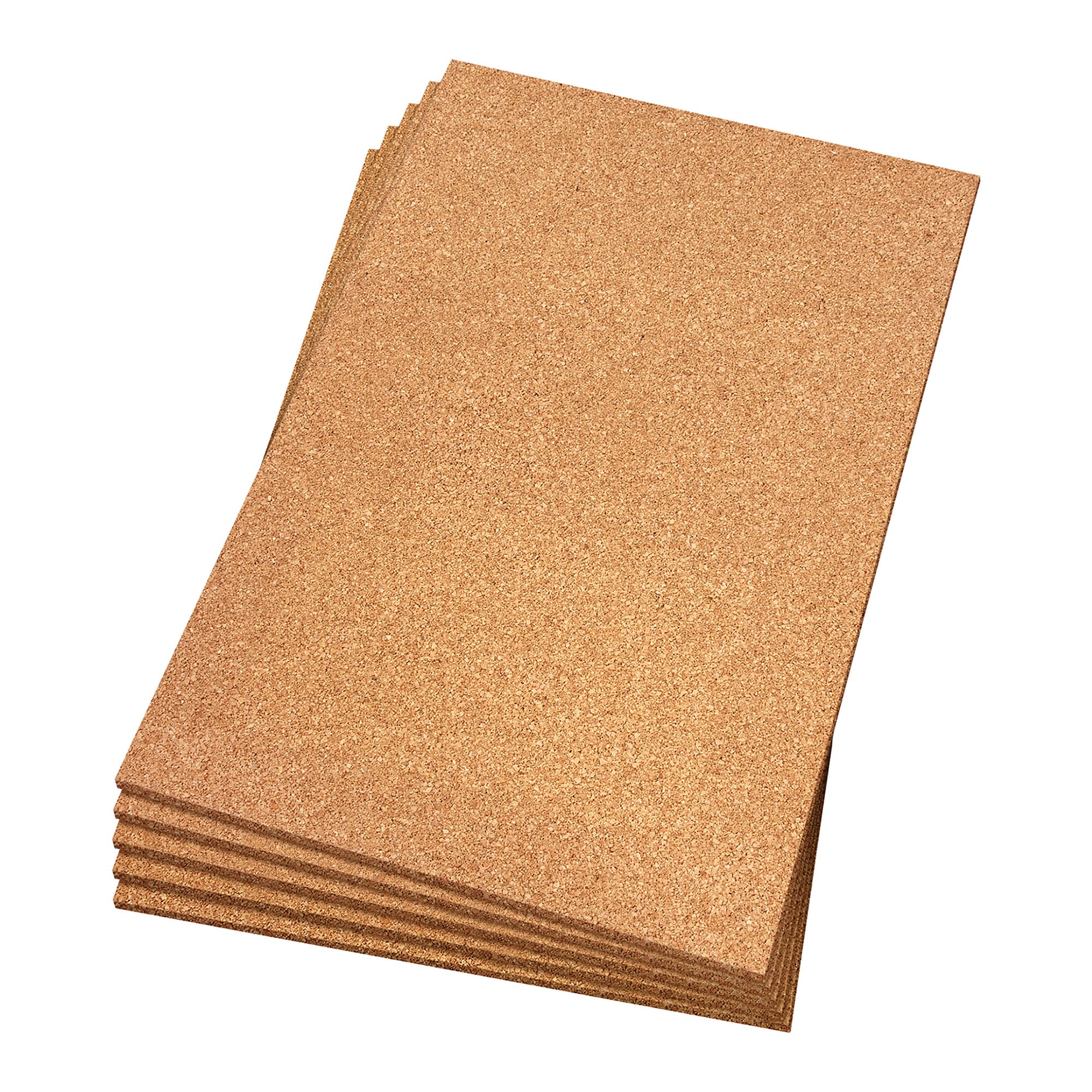
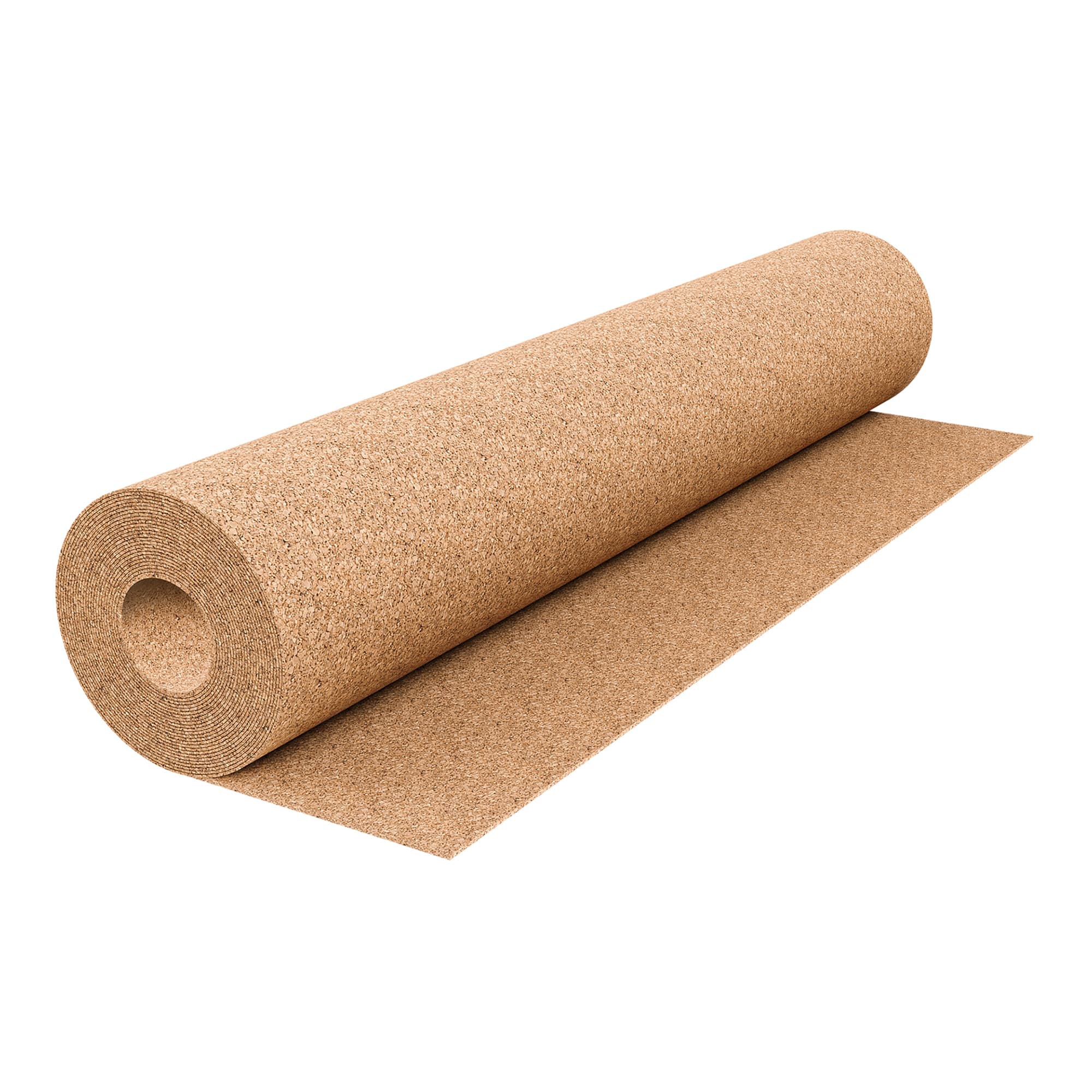
If you are installing ceramic tile, stone, marble, glued wood flooring, or a floating floor system, QEP Natural Cork Underlayment Roll and Natural Cork Underlayment Sheets are great choices. They act as a crack isolation membrane, resisting the transfer of stress cracks up to 1/8" from subfloor through to flooring surfaces – plus it is naturally antimicrobial, as well as mold and mildew resistant.
For both glue-down and loose lay configurations, Capitol Premium Cork Underlayment Rolls and Premium Cork Underlayment Sheets, or ROBERTS 6 mm Cork Underlayment Sheets are the best protection for your floor against stress cracks transferring from the subfloor to flooring surfaces, and to reduce thermal transmission, making it ideal for environments with radiant heat systems.
Keep in mind that all-natural cork underlayment is naturally hypoallergenic, environmentally-friendly, and contributes to a healthier indoor air quality.
